Ebola in Nigeria: Fears contacts could test positive mount
•Prof Tomori asks authorities to prepare •Nigeria’s real test is inside its hospitals •Can health workers count on running water, sanitizer, protective equipment? One confirmed case, a nationwide test Nigeria’s latest Ebola alert followed the confirmation of an imported case of Bundibugyo virus disease in the Federal Capital Territory on October 20, 2026.
•Prof Tomori asks authorities to prepare •Nigeria’s real test is inside its hospitals •Can health workers count on running water, sanitizer, protective equipment? By Chioma Obinna The tap is there. But is there water? The sanitiser dispenser is mounted on the wall. But is it filled? And if a patient walks into a hospital with symptoms that raise suspicion of a dangerous infection, will the health worker attending to that patient have the protective equipment needed to stay safe?
These questions may sound routine. But as Nigeria confronts a confirmed case of Bundibugyo Ebola virus disease, they go to the heart of a more difficult question: how prepared are the country’s hospitals to prevent another outbreak? Nigeria has been here before. The 2014 Ebola outbreak tested the country’s ability to detect an imported infection, trace contacts and prevent wider transmission.
The COVID-19 pandemic later exposed the importance of hand hygiene, personal protective equipment and infection prevention and control in health facilities. Emergency measures were introduced. Isolation facilities were established, surveillance was strengthened and health workers were trained to respond to infectious threats. But what happens when the emergency passes?
Do the taps still run? Are protective supplies replenished? Can hospitals still isolate suspected cases safely? And do health workers have the equipment and practical support to implement the precautions they have been trained to observe? For infectious disease experts, Nigeria’s latest Ebola alert is a reminder that preparedness cannot be measured by emergency announcements alone.
It must be evident in the wards, consultation rooms and emergency units where patients first seek care. One confirmed case, a nationwide test Nigeria’s latest Ebola alert followed the confirmation of an imported case of Bundibugyo virus disease in the Federal Capital Territory on October 20, 2026. According to the World Health Organisation (WHO), the patient, a woman with a recent travel history involving Uganda, developed symptoms on October 7 and sought treatment at a private hospital in Abuja on October 11.
Laboratory tests confirmed the infection on October 20. Authorities identified 44 contacts for monitoring, including people who might have been exposed during the patient’s healthcare visits and travel. The Nigeria Centre for Disease Control and Prevention (NCDC) activated its incident management system, while surveillance and infection-prevention measures were strengthened.
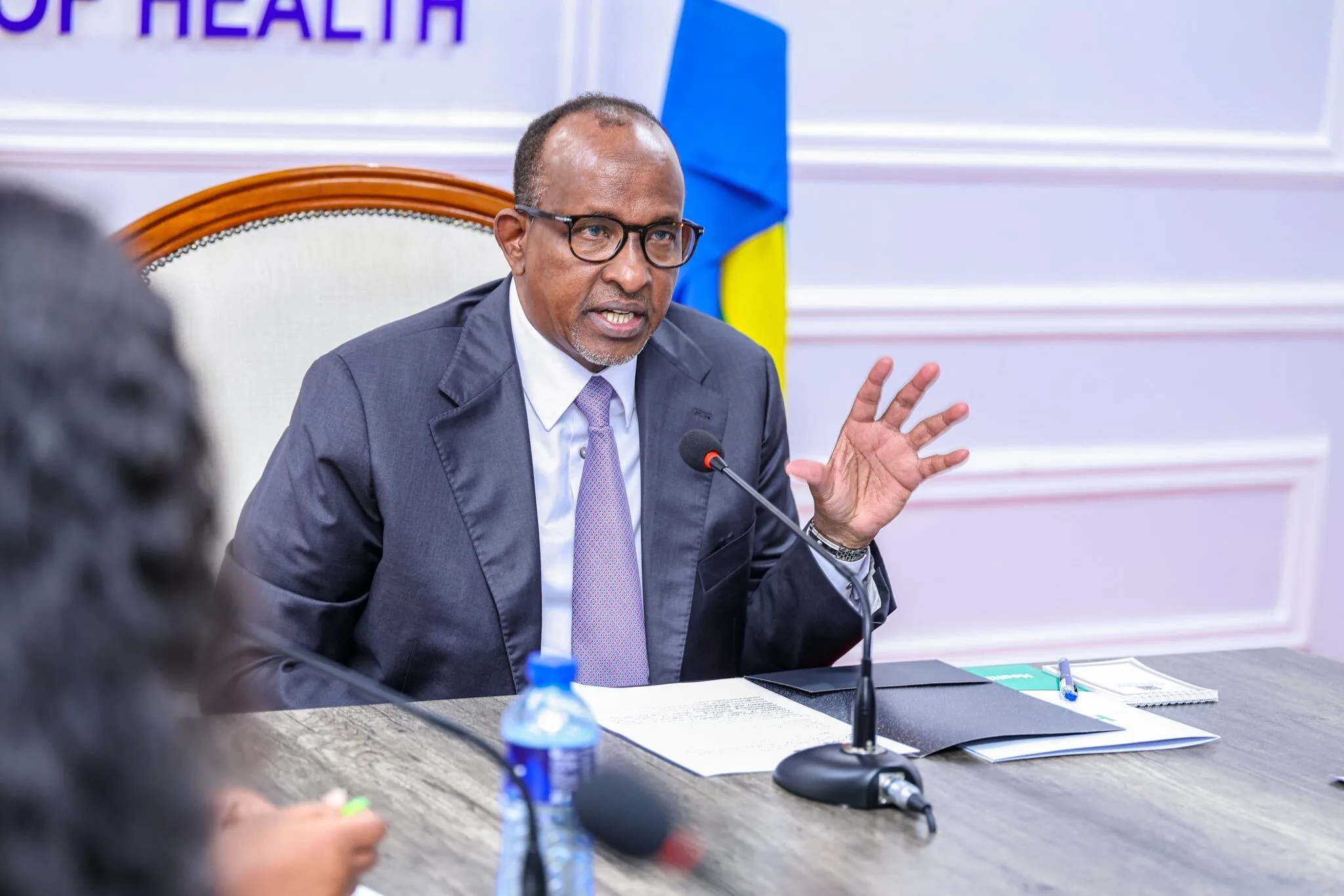
By October 23, the Coordinating Minister of Health and Social Welfare, Professor Muhammad Ali Pate, said the patient was showing signs of recovery. There was no evidence of community transmission in the information released at that point, although investigations and contact monitoring were continuing. Genomic analysis also found that the virus detected in Nigeria was genetically related to the strain identified in Kenya’s index case.
Pate cautioned that this similarity did not, by itself, establish a direct epidemiological link between the two patients or explain precisely how the infection reached Nigeria. The response is therefore unfolding on two fronts. Authorities must establish whether anyone else has been infected, while ensuring that hospitals can recognise and safely manage any suspected cases that emerge.
Second responsibility That second responsibility is particularly important. A patient with fever, headache, vomiting or diarrhoea may have any of several illnesses. But when the symptoms are accompanied by a relevant exposure history, health workers must know what questions to ask, whom to notify and how to protect themselves and others while the patient is assessed.
An outbreak may be detected by a laboratory, but preventing further transmission also depends on what happens at the patient’s first point of contact with the health system. When the basics cannot be taken for granted Running water, soap, hand sanitisers, cleaning materials, protective equipment and safe waste disposal rarely command the attention given to emergency operations centres or laboratory testing.
Yet these ordinary provisions underpin the safe delivery of healthcare. A tap without water cannot support handwashing. An empty sanitiser dispenser offers little protection. Personal protective equipment that is missing when needed can leave a health worker unable to follow the precautions required when caring for a suspected infectious case. The problem is not necessarily that every Nigerian hospital lacks these facilities.
It is that their availability, functionality and reliability cannot be assumed. A UNICEF Nigeria WASH Gender Landscape Analysis published in January 2025 reported that only six per cent of healthcare facilities assessed had basic water, sanitation and hygiene services. The figure relates to the facilities covered by the assessment, rather than every hospital in the country, but it highlights a significant infrastructure challen
- nigeria
- ebola
- patient
- health
- test
- hospital
- infection
- case