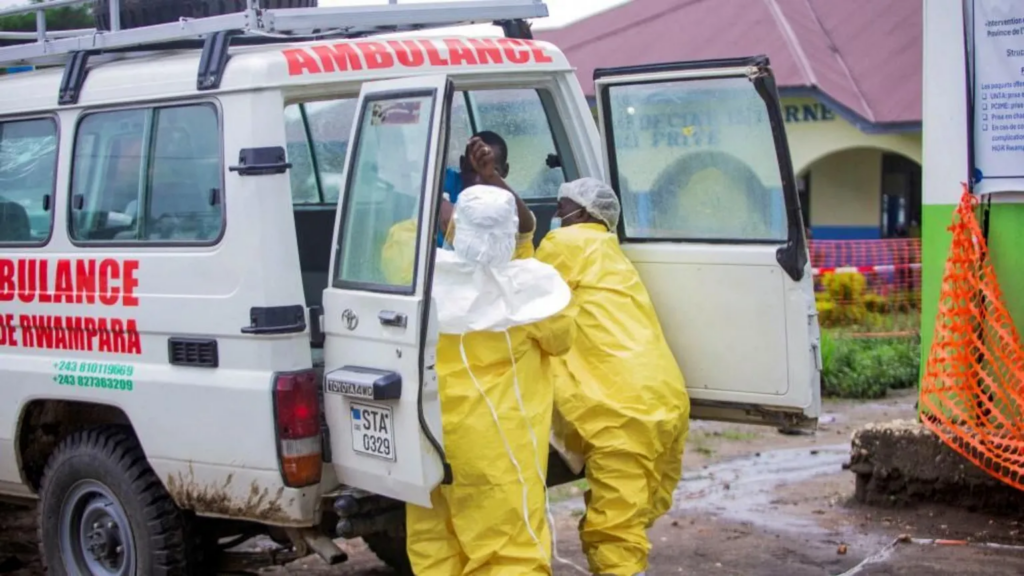
Kenya begins 42-day countdown towards Ebola-free status after discharging last patient
NAIROBI, Kenya, Nov 11- Kenya has begun the final phase of its efforts to contain the Ebola outbreak after discharging the last patient undergoing treatment for Bundibugyo Virus Disease (BVD), paving the way for a 42-day countdown towards being declared Ebola-free. Kenya’s Ebola scare began on October 6, 2026, when the Ministry of Health confirmed the country’s first imported case of Bundibugyo Ebola Virus Disease involving a Kenyan national who had travelled from the Democratic Republic of Congo (DRC) through Uganda before arriving in Nairobi.
NAIROBI, Kenya, Nov 11- Kenya has begun the final phase of its efforts to contain the Ebola outbreak after discharging the last patient undergoing treatment for Bundibugyo Virus Disease (BVD), paving the way for a 42-day countdown towards being declared Ebola-free.
The Ministry of Health said the country would officially begin the countdown on Thursday, November 12, 2026, following the recovery and discharge of the final patient and the release of the last 11 contacts who had completed the mandatory 21-day monitoring period without developing symptoms.
If no new infections are reported during the period, Kenya is expected to be declared Ebola-free on or around December 23, 2026.
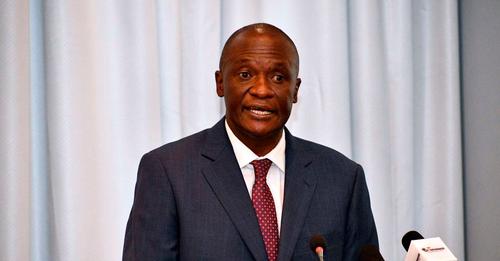
“Today, with the discharge of the last patient, we can confirm and tell the world that 7 patients have recovered and all contacts have completed their follow-up monitoring,” Duale said.
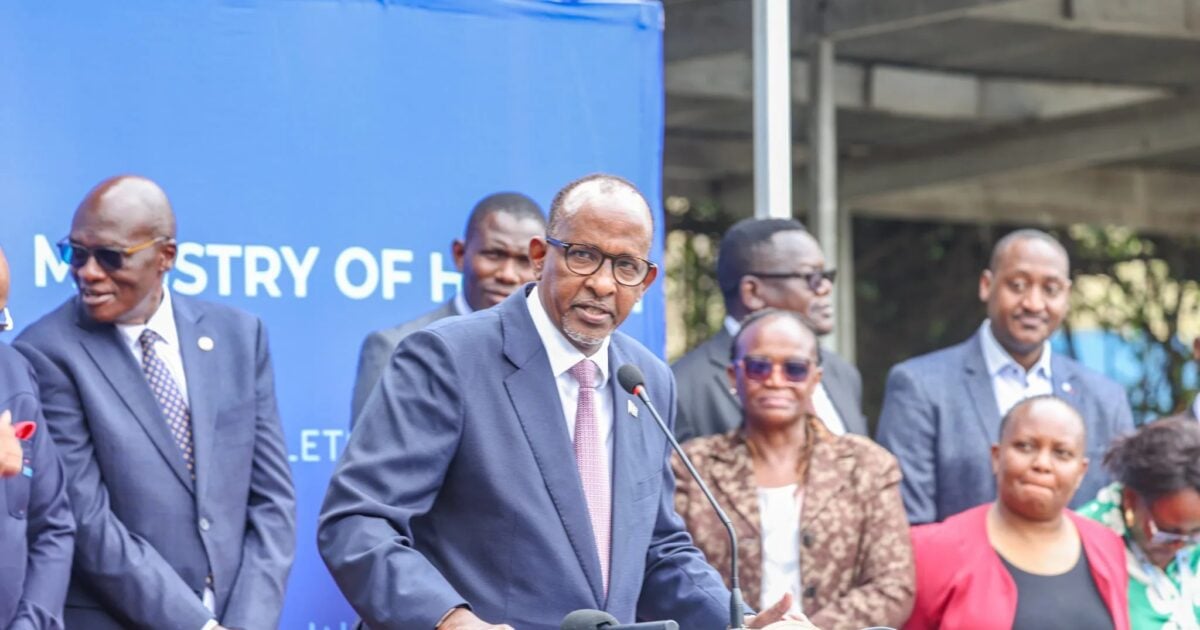
Speaking during a media briefing at Afya House on Wednesday, November 11, Health Cabinet Secretary Aden Duale said the milestone demonstrated the country’s ability to respond swiftly to public health emergencies through surveillance, contact tracing and coordinated interventions.
Kenya’s Ebola scare began on October 6, 2026, when the Ministry of Health confirmed the country’s first imported case of Bundibugyo Ebola Virus Disease involving a Kenyan national who had travelled from the Democratic Republic of Congo (DRC) through Uganda before arriving in Nairobi.
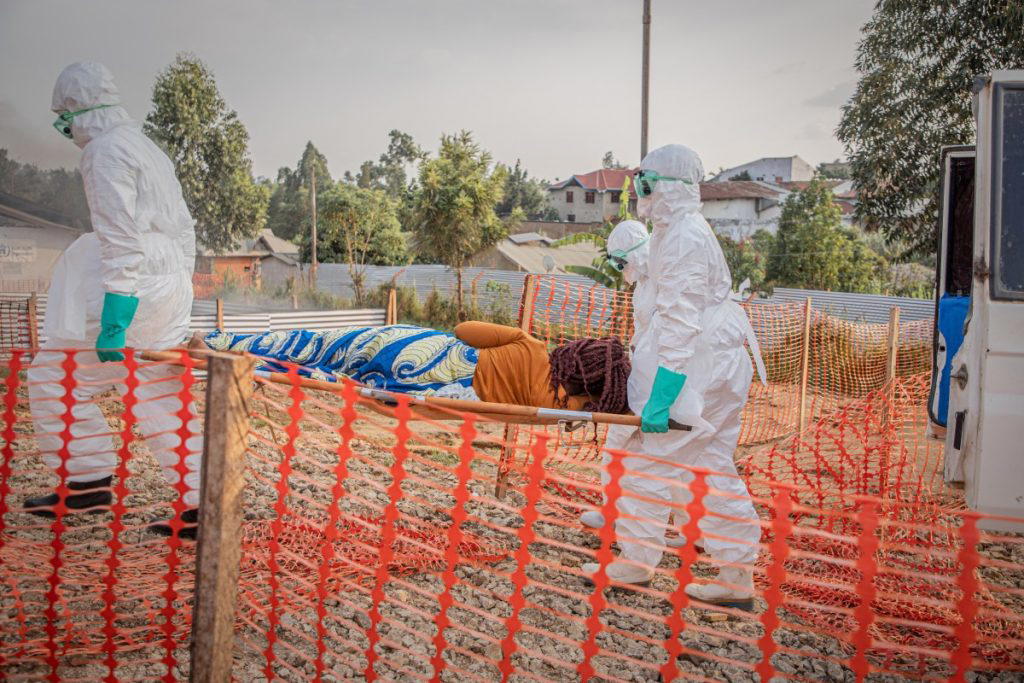
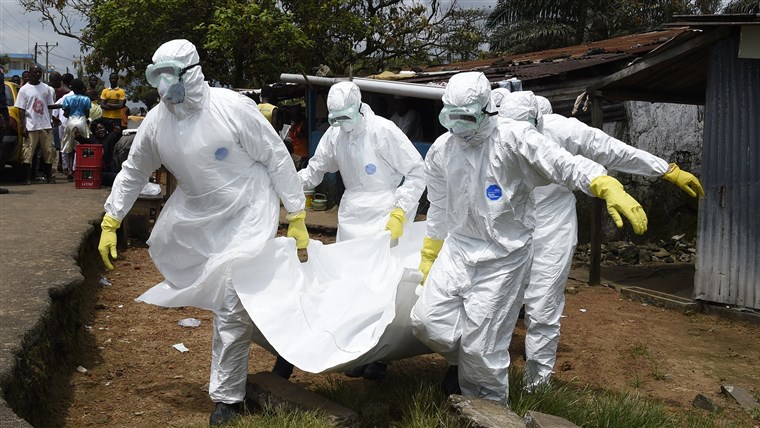
The patient, who had reportedly been receiving treatment at several health facilities in the DRC, was isolated at a Nairobi hospital after developing symptoms. Laboratory tests conducted at the National Virology Reference Laboratory and the Kenya Medical Research Institute (KEMRI) confirmed the infection. The patient subsequently died on October 5, with the burial conducted in accordance with Ebola safe and dignified burial protocols.
The initial case triggered an intensive public health response after authorities identified people who had come into contact with the patient, including family members, healthcare workers and other individuals potentially exposed during his journey.
Kenya eventually recorded nine confirmed cases, including two deaths, with all infections traced to a single transmission cluster. Eight of the cases were secondary infections involving four family members and four healthcare workers.
However, health authorities managed to prevent the virus from spreading beyond the identified cluster, with no evidence of wider community transmission. The last confirmed infection was reported on October 19, according to the World Health Organisation (WHO).
The 42-day countdown is a critical public health requirement based on two consecutive 21-day incubation periods, which represent the maximum time Ebola symptoms can take to develop after exposure. The period allows health authorities to establish whether any previously undetected transmission has occurred before formally declaring the country free of the disease.
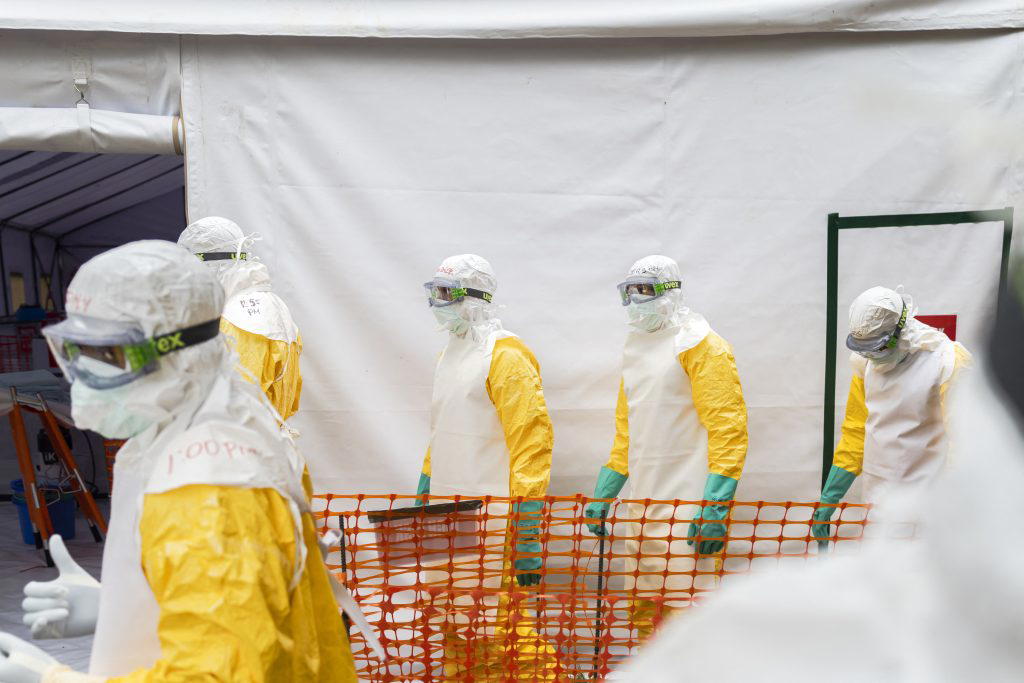
Kenya’s response was anchored on early detection, isolation of infected patients, aggressive contact tracing and heightened screening at points of entry.
The country had also stepped up its Ebola preparedness months before the first case was confirmed, following outbreaks in neighbouring Uganda and the DRC.
According to WHO, Kenya had screened more than 652,000 travellers entering the country by October 6, tested 267 samples from suspected cases and trained approximately 5,000 healthcare workers in Ebola prevention and management.
Authorities also identified and assessed isolation units in 27 high-risk counties, conducted simulation exercises and strengthened the capacity of rapid response teams to identify and manage suspected infections.
Contact tracing proved particularly important in preventing further infections. Health teams identified 135 contacts linked to the confirmed cases and subjected them to daily monitoring for symptoms throughout the mandatory 21-day incubation period.
According to the Ministry, all the contacts were successfully traced and monitored, with the final 11 completing their observation period in good health.
“On November 3rd, 5 patients were discharged. The first Kenyans ever to recover from this disease and on November 6, the 6th patient went home,” the Health Cabinet Secretary said.
The government also strengthened laboratory capacity, with testing supported by the National Virology Reference Laboratory and KEMRI, allowing suspected infections to be investigated and confirmed promptly.
WHO and Africa CDC provided technical assistance, including support for surveillance, laboratory testing, infection prevention and control, case management and community engagement.
Despite the latest milestone, Duale said the government would not lower its guard during the 42-day countdown.
The Ministry of Health will maintain heightened surveillance across all 47 counties, with rapid response teams remaining on standby to investigate suspected infections.
Health facilities will continue active surveillance, while screening at airports and other points of entry will be sustained. Authorities will also maintain community awareness programmes and follow-up support for Ebola survivors.
Bundibugyo virus disease is caused by the Bundibugyo virus, one of the viruses responsible for Ebola disease. It spreads through direct contact with the blood, bodily fluids and contaminated materials of an infected person, particularly after symptoms develop.
Although there is no licensed vaccine or specific treatment for Bundibugyo virus disease, early detection, isolation and supportive medical care are essential in improving patient outcomes and preventing further transmission, according to WHO.
Duale urged Kenyans to remain vigilant, particularly those who may have travelled to areas experiencing Ebola transmission, and to seek immediate medical attention if they develop symptoms associated with the disease.
Members of the public can also contact the Ministry through its toll-free 719 hotline for assistance and information.
The Health CS further maintained that Kenya remained open for business, tourism, trade and international travel, dismissing the need for restrictions on movement or public gatherings.
He appealed to countries and jurisdictions that had introduced travel and visa restrictions against Kenya following the confirmation of the Ebola cases to reconsider and lift the measures.
Duale argued that Kenya’s transparent reporting of infections and compliance with the International Health Regulations should not result in punitive restrictions against its citizens or businesses.
He also clarified that Kenya would not act as a quarantine destination for travellers seeking to meet entry requirements imposed by other countries.
The government would not detain travellers in Kenya to satisfy quarantine conditions imposed by their destination countries, nor issue Ebola-free or quarantine certificates for international travel, arguing that such requirements had no basis under the International Health Regulations.
On the management of resources mobilised towards the Ebola response, Duale pledged that the government would provide a public account of all financial and material support received from development partners and other stakeholders.
He said the government remained committed to transparency and prudent utilisation of resources contributed towards containing the disease.
The briefing was attended by Principal Secretary for Medical Services Dr Ouma Oluga, Director-General for Health Dr Patrick Amoth, WHO Africa Director of Programmes and Management Dr Abdourahmane Diallo, WHO Country Representative Dr Neema Kimambo, UNICEF Country Representative Shaheen Nilofer and US CDC Country Director Dr Runa Gokhale.
Also present were Acting Director-General of the Kenya National Public Health Institute Dr Maureen Kamene, Nairobi Hospital Chief Executive Officer Dr Felix Osano, representatives of bilateral and development partners, and Ministry of Health directors and heads of departments.
- kenya
- patient
- health
- ebola
- countdown
- contact
- infection
- case