MPs demand special audit of Quickmart share sale over investor fears
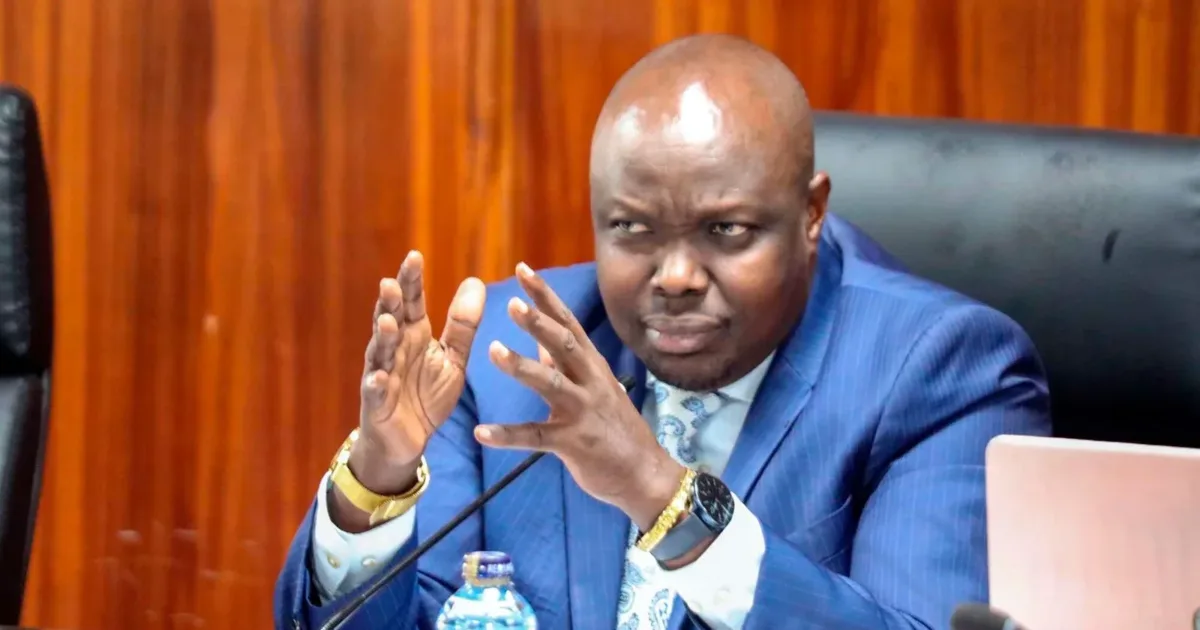
NAIROBI, Kenya, Nov 11 – Parliamentary scrutiny of the proposed sale of shares in supermarket chain Quickmart has intensified, with legislators demanding a special audit to establish whether the transaction exposes Kenyan investors to financial losses. Kaloleni MP Paul Katana led the criticism, accusing the CMA of failing to protect Kenyan investors and allowing questionable transactions to proceed despite the country’s history of supermarket collapses.
NAIROBI, Kenya, Nov 11 – Parliamentary scrutiny of the proposed sale of shares in supermarket chain Quickmart has intensified, with legislators demanding a special audit to establish whether the transaction exposes Kenyan investors to financial losses.
The National Assembly’s Public Investments Committee on Commercial and Energy Affairs, chaired by Pokot South MP David Pkosing, questioned the Capital Markets Authority (CMA) over its decision to approve the transaction, raising concerns that the deal could be used to extract money from the retailer before its eventual collapse.
During a tense appearance before the committee, MPs questioned whether the regulator had adequately examined the financial health of Quickmart and put in place sufficient safeguards to protect Kenyans seeking to acquire shares in the supermarket.
The legislators drew parallels with the collapse of major retail chains, including Nakumatt, Uchumi and Tuskys, warning that ordinary investors could once again bear the consequences of inadequate regulatory oversight.
Kaloleni MP Paul Katana led the criticism, accusing the CMA of failing to protect Kenyan investors and allowing questionable transactions to proceed despite the country’s history of supermarket collapses.
Katana challenged the authority to explain what concrete measures it had taken to prevent a repeat of the losses suffered by Kenyans following the collapse of major retail businesses.
“You have taken advantage of Kenya’s ignorance,” he told the regulator, accusing it of facilitating a system in which investors put their money into struggling businesses.
“Kenyans are crying, hurting,” he added.
CMA Managing Director Wycliffe Shamiah defended the authority, arguing that some of the supermarkets that collapsed operated outside the capital markets regulatory framework because they had not offered shares to the public.
He cited Nakumatt and Tuskys as examples of retailers that were not listed on the securities market, adding that their business models differed from that of Quickmart.
However, Shamiah confirmed that the authority had approved the Quickmart share transaction.
His explanation did little to calm the committee, with Pkosing questioning whether the arrangement could be an elaborate attempt to recover investors’ money before abandoning the business.
The chairman challenged the regulator to consider the possibility that the share sale could be designed to weaken the supermarket financially rather than provide a genuine investment opportunity.
“Has it come to your mind that this is robbery? Friendly fire kills, so even this soft robbery is robbery. Ever thought that they are floating shares to liquidate then shut doors?” Pkosing posed.
Shamiah maintained that the transaction involved Atania, an existing shareholder, seeking to exit the business, rather than a move to rescue a heavily indebted retailer.
He described Quickmart as a small and medium-sized enterprise (SME), arguing that its financial structure was different from those of supermarkets that had previously collapsed under the weight of debt.
“So we are dealing with the exit,” he told the MPs.
Soy MP David Kiplagat also challenged the regulator, saying the committee had already presented Shamiah with a detailed account of supermarket failures in Kenya and the lessons that should have informed the authority’s decision.
He warned that the committee would struggle to accept the regulator’s assurances unless it demonstrated that the risks associated with the transaction had been properly assessed.
The debate also turned to whether investors would have any form of financial protection should the transaction fail.
Pkosing asked whether the CMA could arrange insurance for Kenyans putting their money into the investment.
Shamiah responded that such protection was not available, arguing that risk was inherent in capital markets.
“No… capital markets thrive on risks,” he said.
His remarks drew an immediate objection from Nairobi Woman Representative Esther Passaris, who questioned why investors should be expected to absorb the consequences of potentially questionable investment decisions.
“Capital markets shouldn’t thrive on risks. It should thrive on profits. Why would this shareholder want to exit? Pray that the risk you’ve taken will not lead to a loss,” Passaris said.
Shamiah subsequently acknowledged the committee’s concerns, conceding that the regulator needed to examine the lessons from previous business failures to strengthen investor protection.
He said the authority did not have all the information required to address every concern raised by the legislators but undertook to obtain further details.
The CMA boss also insisted that Quickmart was not carrying the high debt levels that had contributed to the downfall of other supermarket chains.
His assurances, however, failed to convince Pkosing, who questioned why the authority had authorised the transaction before addressing the concerns now being raised by Parliament.
The chairman warned that the consequences of another supermarket collapse would extend beyond the company’s shareholders, potentially undermining public confidence in Kenya’s investment market.
He argued that the CMA should not wait for businesses to collapse before intervening, particularly in a sector with a history of financial distress.
“That is why we are concerned that you have approved without due consideration,” Pkosing said.
He further challenged the authority to demonstrate that it had sufficient legal powers and regulatory mechanisms to oversee transactions involving businesses operating outside the conventional stock market framework.
“As MPs we are the direct representatives. If you see us worried, the people of Kenya are. I can almost bet that Quickmart is dying and we will remind you that you signed it up,” he said.
Pkosing warned that investors could be left stranded if shareholders recovered their money and exited the business while the supermarket’s financial position deteriorated.
He also expressed dissatisfaction with the regulator’s explanations, telling Shamiah that the committee was unimpressed with its handling of the matter.
“We are not pleased. I can hardly give you a D+,” he said.
The proposed special audit is expected to examine the ownership and financial arrangements underpinning the Quickmart transaction, the circumstances surrounding Atania’s planned exit and the CMA’s approval process.
MPs also want clarity on whether the regulator conducted sufficient due diligence to establish the retailer’s financial position and whether the transaction contains adequate protections for prospective investors.
The inquiry comes against the backdrop of Kenya’s troubled supermarket industry, where the collapse of established retail chains has previously exposed weaknesses in corporate governance, financial management and oversight.
For the committee, the central question is whether the Quickmart transaction represents a legitimate change in shareholding or carries risks that could expose unsuspecting Kenyans to losses.
- share
- investor
- quickmart
- supermarket
- transaction
- mps
- sale
- committee