ADP demands electricity reforms, proposes 2027–2035 transformation plan

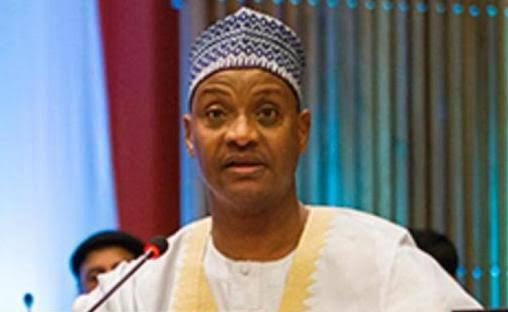
By Henry Umoru ABUJA — The Action Democratic Party (ADP) has called on the Federal Government to embark on urgent electricity-sector reforms, demanding greater transparency in public investments and accountability in the management of funds committed to the power sector. ADP National Chairman, Engr.
By Henry Umoru ABUJA — The Action Democratic Party (ADP) has called on the Federal Government to embark on urgent electricity-sector reforms, demanding greater transparency in public investments and accountability in the management of funds committed to the power sector. The party also proposed a National Electricity Transformation Programme covering 2027 to 2035, saying Nigeria could not achieve meaningful industrialisation while millions of citizens and businesses remained without reliable electricity.
ADP National Chairman, Engr. Yabagi Yusuf Sani, made the demands in a statement issued on Wednesday, while reacting to the global electrification initiative emerging from the 31st United Nations Climate Change Conference (COP31). The initiative seeks to increase electricity’s share of global final energy consumption to 35 per cent by 2035. Sani described the development as an opportunity for Nigeria to address one of its major obstacles to national development, urging the government to translate the global ambition into tangible economic benefits.
He said Nigeria was endowed with natural gas, hydroelectric resources, abundant sunshine and other energy sources, yet millions of citizens continued to experience inadequate electricity supply. According to him, industries, small businesses and households also bear enormous financial burdens from generating their own electricity. The ADP chairman argued that the country’s electricity crisis was not simply a problem of inadequate generating capacity but also involved governance, infrastructure, institutional efficiency, investment discipline and accountability.
He expressed concern that decades of substantial public expenditure and repeated interventions in the electricity sector had failed to deliver improvements commensurate with the resources committed. Sani said continued dependence on expensive alternative power sources had undermined manufacturing competitiveness, increased production costs, contributed to inflation, discouraged investment and limited employment opportunities.
“No nation can achieve sustainable industrialisation, technological advancement or meaningful economic independence without dependable electricity,” he said. ADP’s proposed reforms To address the challenges, the party called for the establishment of a National Electricity Transformation Programme (2027–2035), supported by a comprehensive and adequately funded strategy to expand electricity access, improve supply reliability, modernise transmission and distribution infrastructure and promote industrial electrification.
It also demanded an independent technical and financial audit of major electricity projects, public expenditure, subsidies, loans and contractual commitments, with the findings made accessible to Nigerians. The party further advocated a publicly accessible framework for monitoring electricity-sector contracts, expenditure, project completion and actual service delivery.
It said public officials and contractors should be held accountable for proven cases of mismanagement, diversion of resources and failure to fulfil contractual obligations. On industrial development, the ADP urged the government to prioritise electricity investments in manufacturing clusters, agricultural processing facilities, small and medium-sized enterprises, healthcare institutions, educational facilities and digital infrastructure.
The party also called for greater utilisation of Nigeria’s domestic energy resources through a balanced mix of natural gas, hydropower, solar energy, storage technologies and decentralised electricity systems. It advocated climate financing arrangements that would promote technology transfer, domestic manufacturing, employment and infrastructure development without imposing unsustainable debt obligations on future generations.
On institutional reforms, the party urged the government to ensure effective implementation of the Electricity Act 2023, strengthen cooperation between federal and state governments and establish transparent performance standards for electricity-sector operators and regulatory institutions. Electricity as development infrastructure The ADP maintained that electricity should be regarded as essential national economic infrastructure rather than merely a commercial commodity.
It said reliable electricity was indispensable to food security, industrial development, healthcare, education, digital transformation and poverty reduction. The party called for a shift from measuring performance through government announcements, budgetary allocations and installed generating capacity to assessing the actual electricity delivered to homes, farms, hospitals and industries.
“Nigerians deserve results, not endless promises, abandoned projects or recurring explanations for institutional failure,” Sani said. He also cautioned against allowing the global energy transition to become another avenue for accumulating foreign loans, awarding opaque contracts or enriching a p
- electricity
- transformation
- party
- adp
- reform
- government
- sector
- investment