Insecurity: Become security managers, minister tells unity college principals

…Demands stronger surveillance, intelligence networks, emergency plans By Joseph Erunke, Abuja The Federal Government has urged principals of Federal Unity Colleges to assume greater responsibility for school security, warning that rising insecurity, particularly banditry, insurgency and student abductions, poses a growing threat to Nigeria’s education system. Ahmad spoke at the 2026 Annual General Meeting of Principals of Federal Unity Colleges, held under the theme, “Nigerian Schools in the Midst of Insecurity: Building Safe, Resilient and Sustainable Learning Environments.”
…Demands stronger surveillance, intelligence networks, emergency plans By Joseph Erunke, Abuja The Federal Government has urged principals of Federal Unity Colleges to assume greater responsibility for school security, warning that rising insecurity, particularly banditry, insurgency and student abductions, poses a growing threat to Nigeria’s education system.
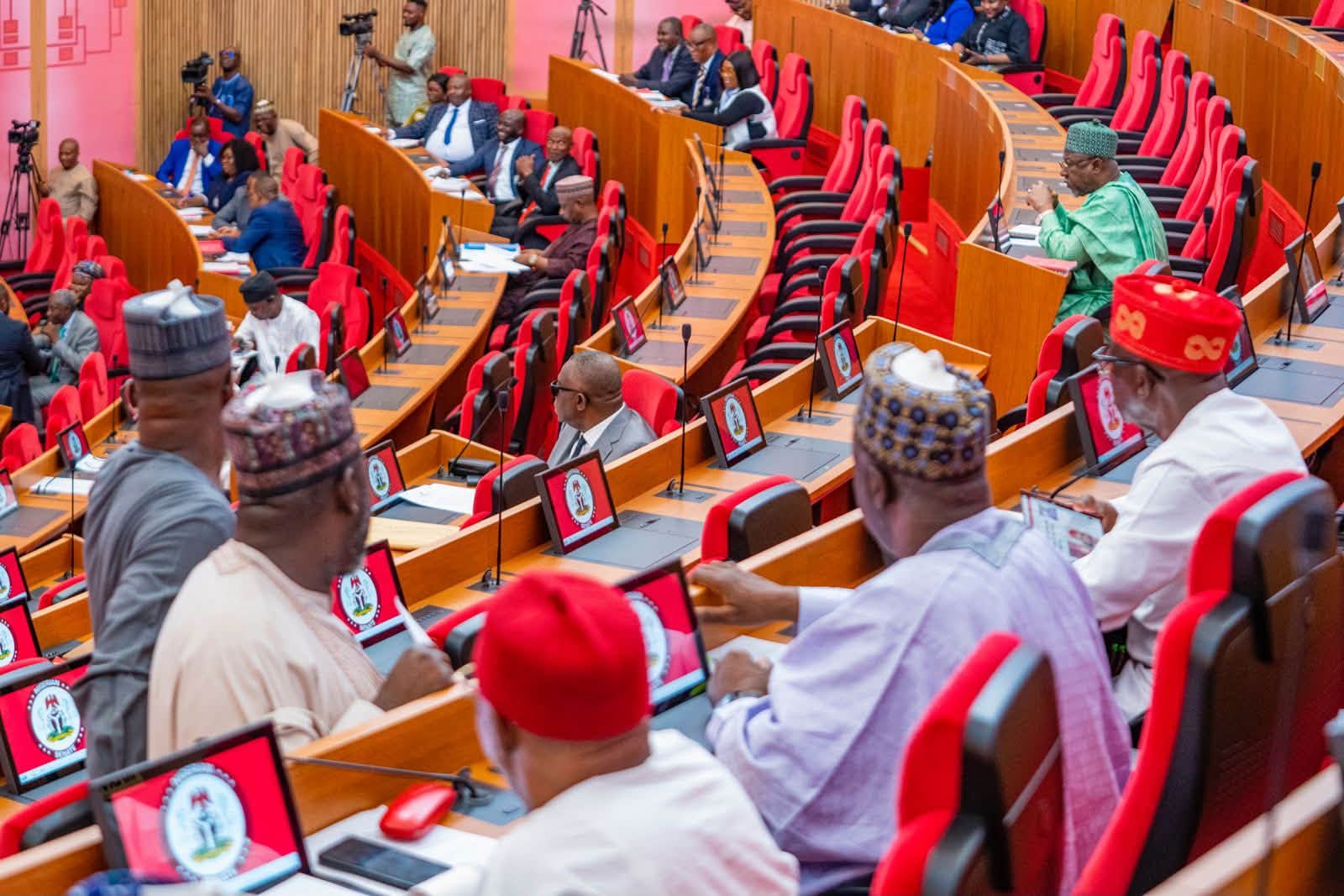
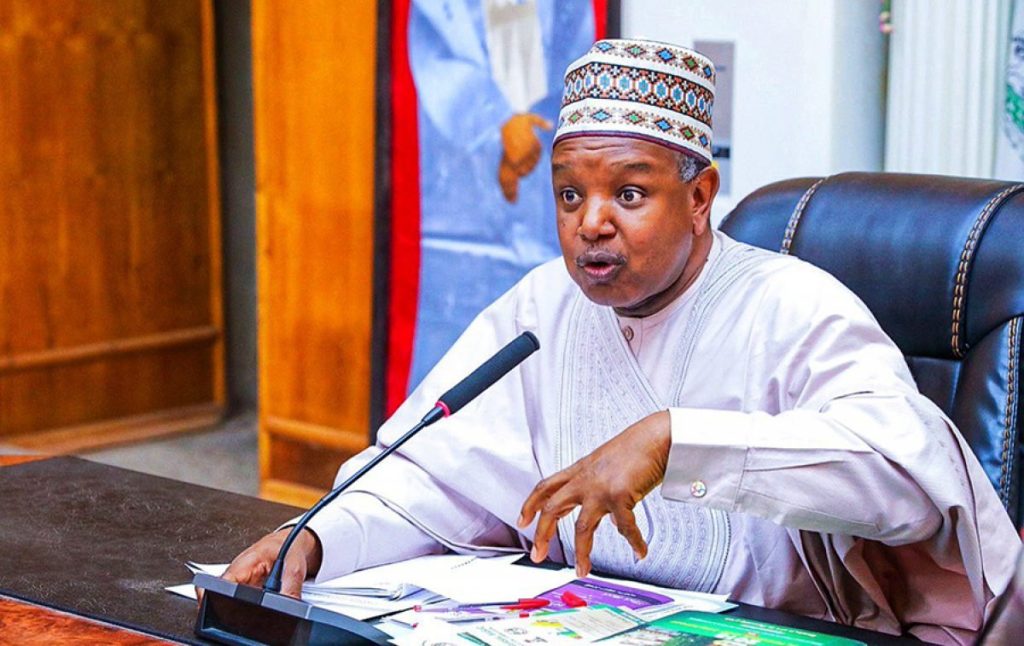
The Minister of State for Education, Prof. Suwaiba Sa’idu Ahmad, gave the charge on Wednesday in Abuja, urging principals to move beyond their traditional roles as academic administrators and embrace proactive security management to prevent schools from becoming soft targets for criminal elements. Ahmad spoke at the 2026 Annual General Meeting of Principals of Federal Unity Colleges, held under the theme, “Nigerian Schools in the Midst of Insecurity: Building Safe, Resilient and Sustainable Learning Environments.” She said increasing incidents of banditry, insurgency, student abductions and communal conflicts had exposed educational institutions to unprecedented security risks, requiring urgent and coordinated action by school administrators.
According to her, the consequences of insecurity extend beyond physical attacks on schools, as they also cause psychological trauma among students, disrupt academic activities, increase absenteeism, worsen the out-of-school children crisis and discourage teachers from accepting postings to vulnerable communities. The minister warned that failure to secure schools could undermine years of investment in education and jeopardise the future of millions of Nigerian children.
She particularly highlighted the vulnerability of Federal Unity Colleges, noting that their boarding-school structure, which accommodates children from different parts of the country away from their families, requires specialised security arrangements and closer administrative supervision. Ahmad described the colleges as critical instruments of national integration, bringing together children from diverse ethnic, religious, geographical and socioeconomic backgrounds.
“Today’s Federal Unity Colleges principals cannot just be instructional leaders; they must also be active, forward-thinking security managers,” she said. Outlining the Federal Government’s approach to tackling insecurity in schools under President Bola Tinubu’s Renewed Hope Agenda, Ahmad identified four strategic areas requiring urgent attention. These, she said, included strengthening physical security infrastructure through improved perimeter fencing, controlled entry and exit points and electronic surveillance systems; establishing community-based intelligence networks involving traditional rulers and other stakeholders; expanding psychosocial support and trauma-informed counselling for students; and deploying digital technology to sustain teaching and learning during emergencies.
She urged principals to institutionalise regular security assessments, conduct emergency drills, establish effective communication channels with security agencies and develop school-specific emergency response plans. The minister also stressed the importance of transparent, inclusive and supportive school environments, arguing that building trust among students, teachers and administrators was essential to identifying potential threats and responding effectively.
She assured the principals that the Federal Ministry of Education remained committed to improving their welfare and mobilising resources to strengthen security infrastructure across Federal Unity Colleges. Earlier, the Chairman of Principals of Federal Unity Colleges, Alhaji Shehu Dahiru, called for stronger government intervention to address worsening insecurity, teacher shortages, inadequate funding and infrastructure deficits affecting the administration of the institutions.
Dahiru said security challenges across the country had continued to undermine school enrolment, attendance, academic calendars, staff morale and parents’ confidence in the safety of their children. He maintained that protecting schools should not be regarded as the exclusive responsibility of security personnel, insisting that principals, teachers, students, parents, host communities, traditional institutions, security agencies and government must work together.
He called for improved perimeter protection, access-control systems, surveillance equipment, emergency communication facilities, early-warning mechanisms and regular security drills across the colleges. The chairman also warned against allowing insecurity to permanently derail the educational ambitions of Nigerian children, urging vulnerable schools to establish learning-continuity arrangements.
Such arrangements, he said, should incorporate digital and offline learning resources, alternative teaching methods, psychosocial support and structured catch-up programmes to ensure students do not lose valuable learning time during emergencies. Beyond security concerns, Dahiru appealed to the Federal Government to acceler
- security
- unity
- insecurity
- school
- federal
- minister
- principal
- colleges