COP31: GAYO pushes for climate finance to reach waste pickers and zero waste communities

Zero Waste In.”, organised by the Global Alliance for Incinerator Alternatives (GAIA) in Antalya, Türkiye, on 11 November, GAYO’s Zero Waste Director, Jacob Johnson Attakpah, said the current flow of money is lopsided. Its Zero Waste Accra model, which won the 2024 Earthshot Prize in the “Clean our air” category, worth £1 million, supports 500 waste pickers and informal collectors, diverts waste from landfills and open burning, and aims to divert 4,000 tonnes of waste by 2030, according to the Clean Air Fund.
The Green Africa Youth Organisation (GAYO) has called on governments and climate financiers at COP31 to channel climate finance directly to the waste pickers, communities and cities already delivering zero waste solutions, rather than to costly incineration projects.
Speaking at a press conference titled “Zero Waste COP – Incinerators Out. Zero Waste In.”, organised by the Global Alliance for Incinerator Alternatives (GAIA) in Antalya, Türkiye, on 11 November, GAYO's Zero Waste Director, Jacob Johnson Attakpah, said the current flow of money is lopsided.
“Governments and climate financiers must correct this imbalance and make climate finance accessible to the communities and cities already delivering solutions,” he said.
“The litmus test of climate finance is whether it reaches the people and services capable of delivering change and results; that means financing the daily work of separation, collection, reuse and composting while recognizing the people who make it possible, waste pickers and other actors in the informal sector.”
The call comes as waste becomes a bigger climate concern. According to the Climate and Clean Air Coalition (CCAC), municipal solid waste and wastewater produce nearly 20 per cent of human-caused methane (about one in every five tonnes), a gas about 80 times more powerful than carbon dioxide at trapping heat over 20 years. About 40 per cent of the world's waste is openly burned (two in every five bags of rubbish), and around 2.5 billion people (about three in every ten people on Earth) lack adequate waste services.
“Zero waste is climate action, but only when we address the problem at its source,” said Mariel Vilella, Climate Program Director at GAIA. “Preventing waste, expanding reuse and composting organic materials are practical and proven solutions that can cut emissions while delivering benefits for communities.”
GAIA's new report, Africa's Waste Crisis Is Attracting the Wrong Solution: Waste-to-Energy Incineration, tracks 15 waste-to-energy projects and proposals across 10 African countries, including Ghana, with more than US$4 billion in combined capital costs. It finds that African public funds are the largest source of finance, and that near Ethiopia's Koshe dumpsite, interviews found a 50 per cent drop (half) in waste pickers' earnings linked to the Reppie incinerator. The report calls for waste pickers to be formally integrated into waste systems.
“Africa needs solutions that respond to its actual waste realities, not expensive technologies that create new problems,” said Weyinmi Okotie, Executive Director of Green Knowledge Foundation.
Money for cleaner air remains scarce. The Clean Air Fund's State of Global Air Quality Funding 2026 found that funding aimed directly at outdoor air pollution is still less than 1 per cent of international development funding (less than US$1 in every US$100). Yet UNEP and the CCAC's Hidden Assets report found that every US$1 invested in measures that tackle air pollution and climate change together brings back about US$15 in economic benefits.
GAYO's own work in Ghana shows what that investment can do. Its Zero Waste Accra model, which won the 2024 Earthshot Prize in the “Clean our air” category, worth £1 million, supports 500 waste pickers and informal collectors, diverts waste from landfills and open burning, and aims to divert 4,000 tonnes of waste by 2030, according to the Clean Air Fund.
GAYO also provided technical support, with GAIA and C40 Cities, for Accra's LOW-Methane Portfolio, launched in July 2026. It aims to cut methane from waste disposal by at least 30 per cent by 2030 and separate at least half of the city's organic waste at source by 2030.
At national level, circular economy and waste management is one of the five pillars of Ghana's updated climate plan for 2025–2035, which is expected to cost about US$53.3 billion over ten years.
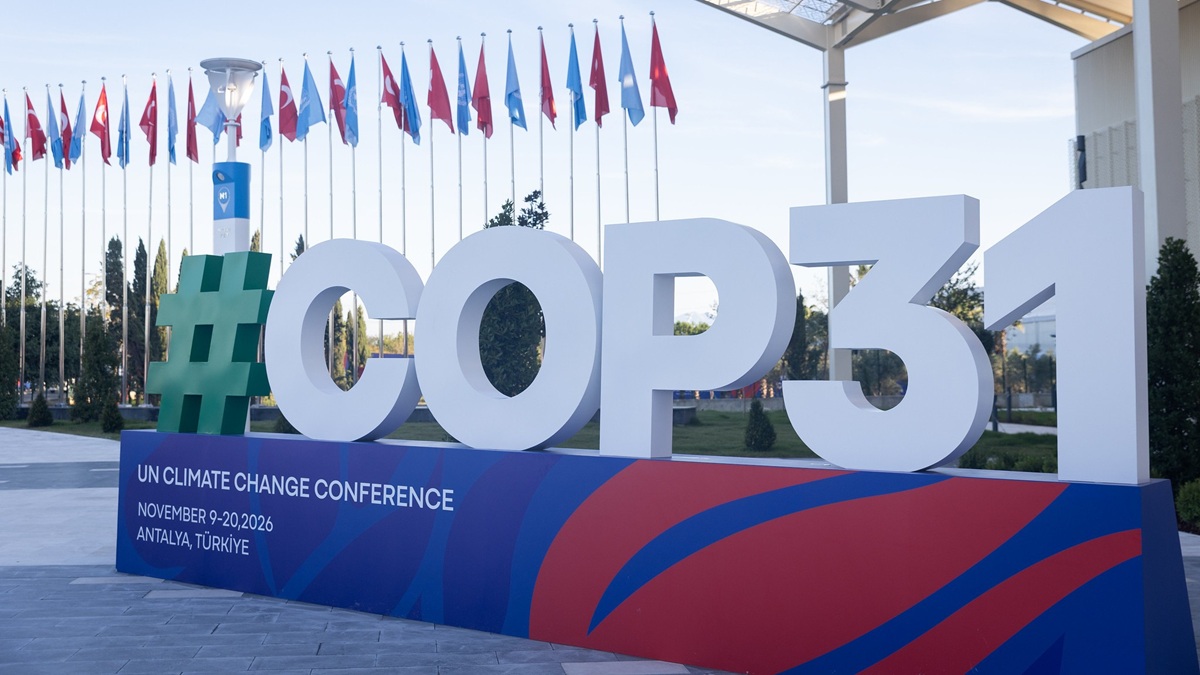
COP31 continues in Antalya until 20 November.
- waste
- climate
- gayo
- finance
- air
- picker
- zero
- solution