2027 Polls: EU condemns rising violence, hate speech

*Says violence undermines democratic gains, hampers electoral process *Violence, rights suppression breed apathy, fear, distrust— NHRC *IPAC urges issues-based campaigns, flays hate speech By Ikechukwu Nnochiri ABUJA – The European Union, EU, yesterday expressed concern over reports of election-related violence, hate speech and political intimidation ahead of the 2027 general elections. Similarly, in Calabar, Cross River, the convoy of presidential candidate of Nigeria Democratic Congress, NDC, Mr Peter Obi, came under attack on November 4, 2026.
*Says violence undermines democratic gains, hampers electoral process *Violence, rights suppression breed apathy, fear, distrust— NHRC *IPAC urges issues-based campaigns, flays hate speech By Ikechukwu Nnochiri ABUJA – The European Union, EU, yesterday expressed concern over reports of election-related violence, hate speech and political intimidation ahead of the 2027 general elections.
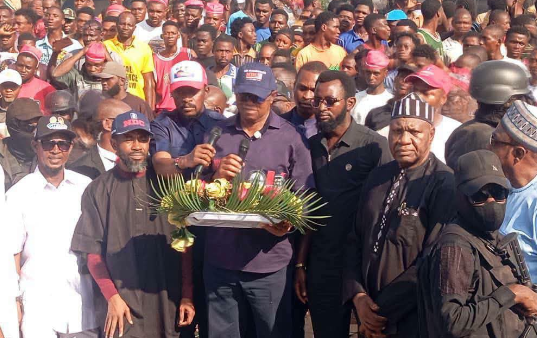
Recall that in Katsina State recently, supporters of the All Progressives Congress, APC, travelling for a campaign flag-off in Funtua were reportedly attacked along the Yashi-Funtua route in October. A female passenger was injured, vehicles were damaged, and the police subsequently announced 14 arrests. Similarly, in Calabar, Cross River, the convoy of presidential candidate of Nigeria Democratic Congress, NDC, Mr Peter Obi, came under attack on November 4, 2026.
Police confirmed damage to vehicles and announced the arrest of a suspect, while investigations continued. On November 7, 2026, one person was killed and five others njured during an attack on a political procession and rally organised by supporters of Nigeria Democratic Congress, NDC, along Nnebisi Road in Asaba, Delta State. Also, the National Peace Committee said it recorded 60 election-related incidents within one month, including violence, intimidation and threats.
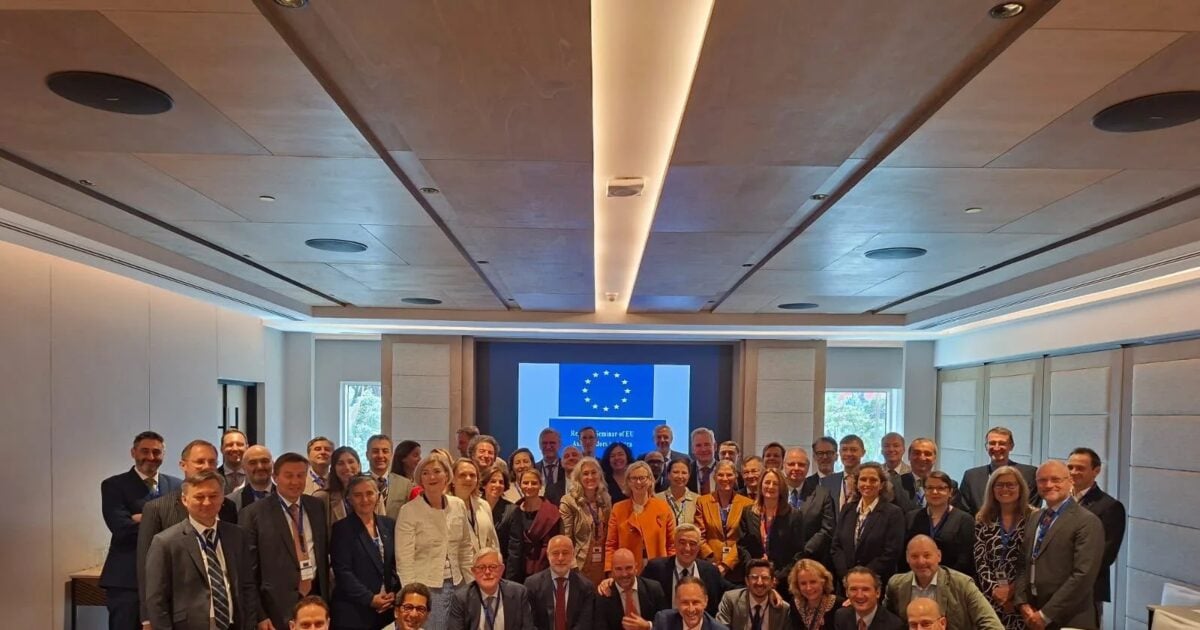
Speaking to these at the opening session of the Civil Society and Human Rights Defenders Forum on the State of Human Rights, held in Abuja, the EU Ambassador and Head of Delegation to Nigeria and ECOWAS, Gautier Mignot, said such incidents undermined democratic gains and discouraged citizens from participating fully in the electoral process. He described open forums, free media, peaceful assembly and civil society organisations as essential to elections, noting that they promoted transparency and enabled citizens to share facts, debate and scrutinise candidates for elective office without fear of censorship or retaliation.
“Free civic and political spaces also help hold leaders and institutions accountable by enabling CSOs and active citizens to monitor election administration, track campaign promises and challenge government policies. “By enabling free association and assembly, robust civic and political spaces prevent authorities from backsliding or from manipulating rules.
“It is vital to ensure credibility and public confidence in an election. The absence or weakening of these safeguards will directly undermine citizens’ rights to participate meaningfully in elections. This is why the European Union, together with its member states, is committed to ensuring the sustenance of free civic and political spaces in Nigeria,” the EU leader added.
He further pledged the EU’s commitment to support key institutions such as the National Human Rights Commission, NHRC, and CSOs to synergise efforts towards strengthening democracy and good governance in the country. “Our objective is not to interfere in the elections but to support legitimate Nigerian stakeholders to fully play their roles in order to contribute to a free, fair, credible electoral process.
“Stakeholders, the public sector, civil society, political parties, the media, all have a very important role to play,” Mignot stated. The event, which was organised by the NHRC, was themed “Protecting Human Rights in Civic and Political Spaces in the 2027 Elections.” In his address, the Executive Secretary of the NHRC, Dr. Tony Ojukwu, SAN, said the forum was convened because democracy does not survive on election day alone.
“It survives in the space between elections: in the freedom of citizens to speak without fear, to assemble without permits, to associate without obstruction, and to choose their leaders without intimidation. “Section 14 of our Constitution declares that sovereignty belongs to the people of Nigeria; Sections 39 and 40 guarantee expression, association and assembly; and Article 13 of the African Charter, which Nigeria has domesticated, makes the right to participation directly enforceable.
“The right to participate in the conduct of public affairs, including through free and genuine elections under Article 25 of the International Covenant on Civil and Political Rights, ICCPR, is the heartbeat of every freedom we defend. “When that right is suppressed, democracy does not merely stumble; it begins to die, quietly, through apathy, fear and distrust,” the NHRC boss stated.
He decried that, with the elections drawing nearer, journalists and human rights defenders continued to operate in challenging environments marked by harassment, arbitrary arrests and the misapplication of laws, including provisions of the Cybercrimes Act. “We are concerned by political and voter intimidation, by political exclusion through prohibitive nomination fees that bar women, youth and persons with disabilities from candidature, by the persistence of hate speech and incitement, and by regulatory uncertainties around digital platforms. ‘’We are concerned, above all,
- election
- violence
- speech
- nigeria
- citizen
- nhrc
- state
- human