Workers fear for jobs as employers groan over soaring costs
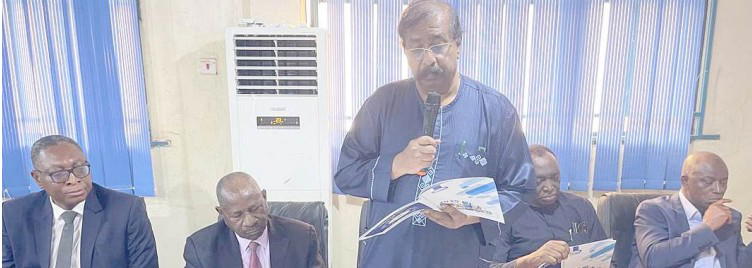
*AGM: Executive Secretary of the Chemical and Non-Metallic Products Employers Federation (CANMPEF), Olorunfemi Oke; Trustee, S. I. Tella; President, Devakumar Edwin; First Vice-President, Rotimi Aluko; and Guest Speaker, Oscar Macaulay, at CANMPEF’s 46th Annual General Meeting (AGM) in Lagos. The Chemical and Non-Metallic Products Employers Federation, CANMPEF, in its Secretariat’s report by the Executive Secretary, Olorunfemi Oke at the 46th Annual General Meeting, AGM, in Lagos, identified high electricity costs, unreliable power supply, multiple taxation, expensive industrial finance and…
By Victor Ahiuma-Young The growing cost of keeping factories operational in Nigeria is emerging as a major threat to industrial stability and employment, as employers struggle with rising electricity bills, multiple tax obligations, high borrowing costs and the uncertainties surrounding access to foreign exchange and essential production inputs. *AGM: Executive Secretary of the Chemical and Non-Metallic Products Employers Federation (CANMPEF), Olorunfemi Oke; Trustee, S.
I. Tella; President, Devakumar Edwin; First Vice-President, Rotimi Aluko; and Guest Speaker, Oscar Macaulay, at CANMPEF’s 46th Annual General Meeting (AGM) in Lagos. For employers in the chemical and non-metallic products industries, the challenge extends beyond declining profit margins. The mounting cost of production is making business expansion, equipment modernisation and sustained investment increasingly difficult, raising concerns about the long-term capacity of companies to maintain existing operations and protect jobs.
The situation has brought the question of job security into sharper focus, with manufacturers facing the difficult task of balancing rising operational expenses against the need to sustain production, meet financial obligations and maintain their workforce. The Chemical and Non-Metallic Products Employers Federation, CANMPEF, in its Secretariat’s report by the Executive Secretary, Olorunfemi Oke at the 46th Annual General Meeting, AGM, in Lagos, identified high electricity costs, unreliable power supply, multiple taxation, expensive industrial finance and foreign-exchange difficulties as some of the major pressures confronting its members.
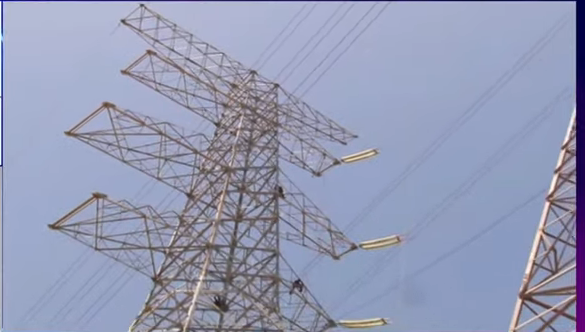
The report painted a challenging picture of the operating environment for manufacturers, warning that the combination of these factors continued to affect production costs, operational efficiency, investment decisions and the competitiveness of locally manufactured products. On electricity, the Federation noted that the high cost of power and concerns about the reliability of supply had continued to place considerable pressure on manufacturing operations For energy-intensive industries, including chemical processing and the production of non-metallic products, electricity remains a critical production input that directly influences operational expenses, output and product pricing.
The report observed that unreliable public electricity supply had increased manufacturers’ dependence on alternative power sources, adding another layer of financial pressure on businesses. It stated that the situation had disrupted production planning and increased operating expenses, with consequences for the competitiveness of locally manufactured goods.
“Members reported that the high cost of electricity and concerns about the reliability of supply continued to place considerable pressure on manufacturing operations,” the report stated. The Federation further expressed concern about the need for more predictable electricity tariffs, improved service delivery and greater transparency in the relationship between electricity charges and the quality of supply received.
Beyond electricity, multiple taxation and complicated tax administration were identified as additional obstacles confronting employers. According to the report, manufacturers had to contend with multiple tax requirements, overlapping levies and compliance procedures across different levels of government. The Federation warned that such complexities increased the cost of doing business and diverted resources that could otherwise have been invested in productive activities, factory expansion and workforce development.
It called for better coordination among tax authorities, clearer guidance on applicable obligations and more consistent and transparent administration of tax rules. The cost of accessing finance has also become a major concern for employers seeking to sustain operations and protect their investments. CANMPEF observed that the prevailing high-interest-rate environment had increased borrowing costs, making it more difficult for manufacturers to secure working capital, purchase equipment, modernise production facilities and invest in energy-efficient technologies.
The challenge, it noted, was particularly significant for businesses requiring substantial upfront expenditure on machinery, imported raw materials, inventory and compliance with technical standards. For companies operating under these conditions, the ability to maintain production capacity and undertake fresh investments increasingly depends on access to affordable and predictable financing.
Foreign-exchange conditions have further complicated the situation The report explained that manufacturers continued to face difficulties accessing foreign currency for the importation of raw materials, machinery, spare parts and specialised production inputs that were either unavailable locally or unsuitable for their technical requirements. It added that exchange-rate movements and
- cost
- electricity
- production
- employer
- tax
- federation
- concern
- report