What are fossil fuels?
They are in our shampoo bottles, power our cars and heat our homes. But what actually are fossil fuels, and why do they matter?
Whether in the form of crumbly rock, odorless gas or slick black liquid, ancient organic compounds have powered the flourishing of modern life. But now they threaten to make the planet unlivable for many plants, animals and humans.
The collective term refers to coal, oil and natural gas — a group of energy sources that contain carbon and hydrogen.
They started life hundreds of millions of years ago as living plants and animals. When they died, they sank to the bottom of oceans and swamps where they decomposed under layers of sediment.
Over time, this matter was buried deeper and deeper into the earth, subjecting it to increasing pressure and heat which changed its chemical composition. Plants and trees transformed into coal, whereas microscopic plankton and algae became oil and — if the heat and pressure increased further — gas.
Today fossil fuels can be found in the earth's crust all around the world although some countries, such as the US, Saudi Arabia and Russia, have bigger reserves than others.
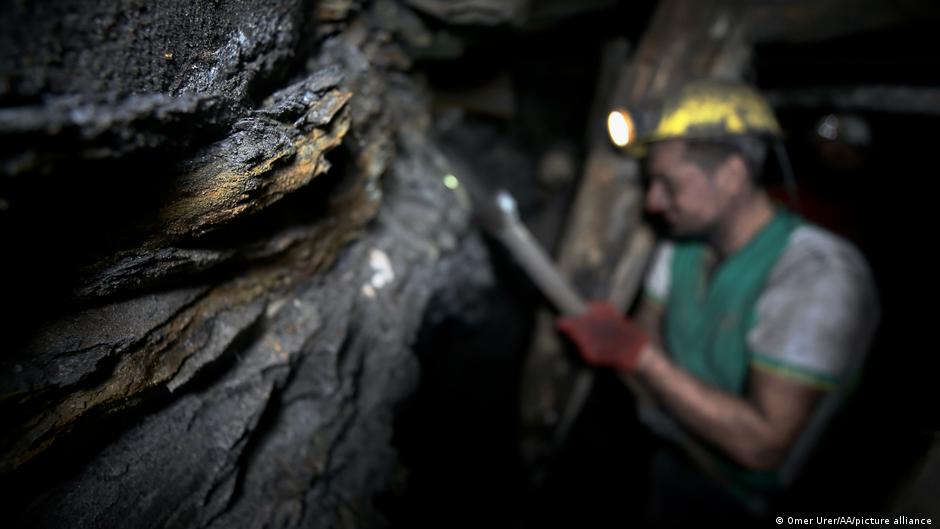
Coal, found in underground coal beds, is extracted by mining, whereas oil and gas, found in reservoirs beneath the land and ocean, are accessed by drilling.
Since the early 19th Century, when the discovery and exploitation of fossil fuel reserves powered the Industrial Revolution, our use of them has skyrocketed, increasing eight-fold since 1950.
Today they provide 80% of our energy needs through heating, electricity generation and transport.
We transform them into energy either by burning them directly in furnaces that warm up our homes and businesses, or in power plants to heat water into steam which then generates electricity. When it comes to transport, crude oil is refined into a range of products such as diesel, gasoline and kerosene that are burned in the engines of automobiles, airplanes and ships. Natural gas is also sometimes compressed for use in cars and buses.
But fossil fuels are also essential to a huge range of products including steel, formed using a coal-derived material called coke, and plastic, which is produced by refining and processing crude oil and gas.
Fossil fuels are by far the biggest contributors to climate change. When burned to power our modern lives, they emit carbon dioxide (CO2) into Earth's atmosphere, trapping heat and causing temperatures to rise.
With 2025 officially one of the warmest years on record, the impact of these emissions is being felt around the world. Hotter temperatures are causing polar ice caps to melt and creating the conditions for extreme weather events — such as floods, drought, wildfires and storms — to become more intense and frequent.
Scientists stress the need to limit global warming to 1.5 degrees Celsius (2.7 degrees Fahrenheit) to avoid unleashing the most catastrophic impacts of climate change. That was laid out in the 2015 Paris Agreement. Currently, there are 194 parties to the agreement, but progress has been too slow, and overall emissions continue to rise.
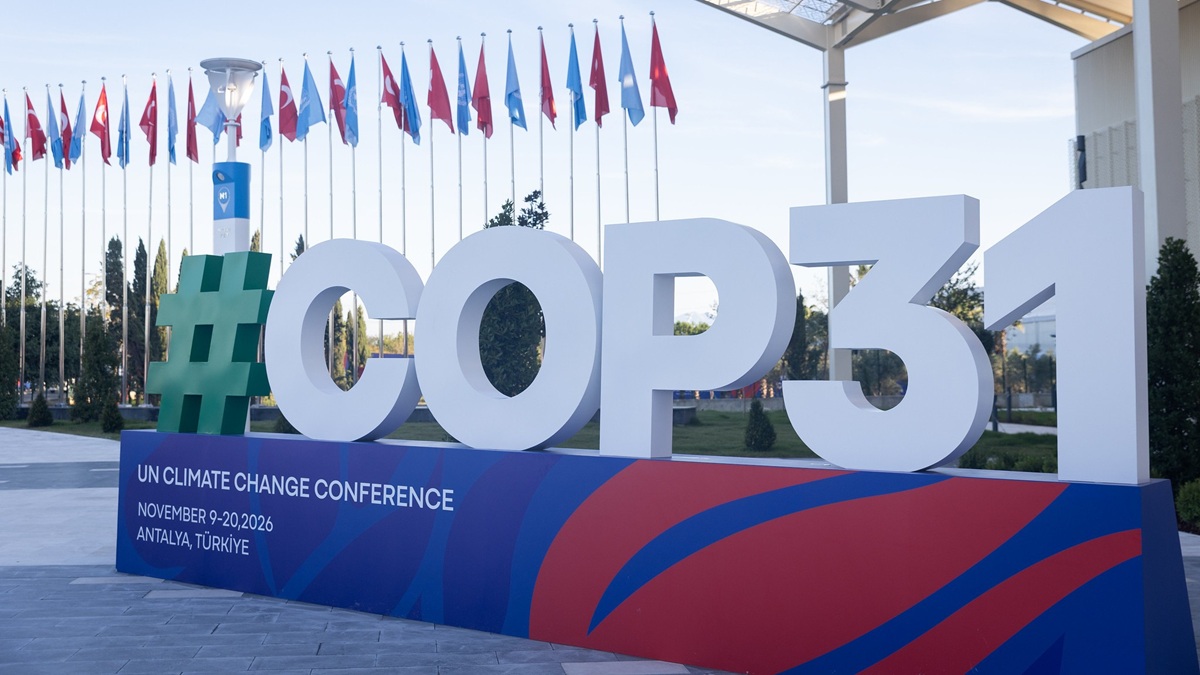
Three years after countries agreed at the UN climate conference in Dubai COP28 to transition away from coal, oil and gas. After the previous COP in Brazil failed to reach a consensus on a concrete plan, Brazil has now presented a roadmap aimed at turning that promise into national plans.
"It is long past time to stop treating the transition away from fossil fuels as taboo or intractable," United Nations Secretary-General Antonio Guterres said.
- fuel
- shampoo
- bottle
- power
- car
- home