The New economy budget: Will Ghana finally build growth that lasts?

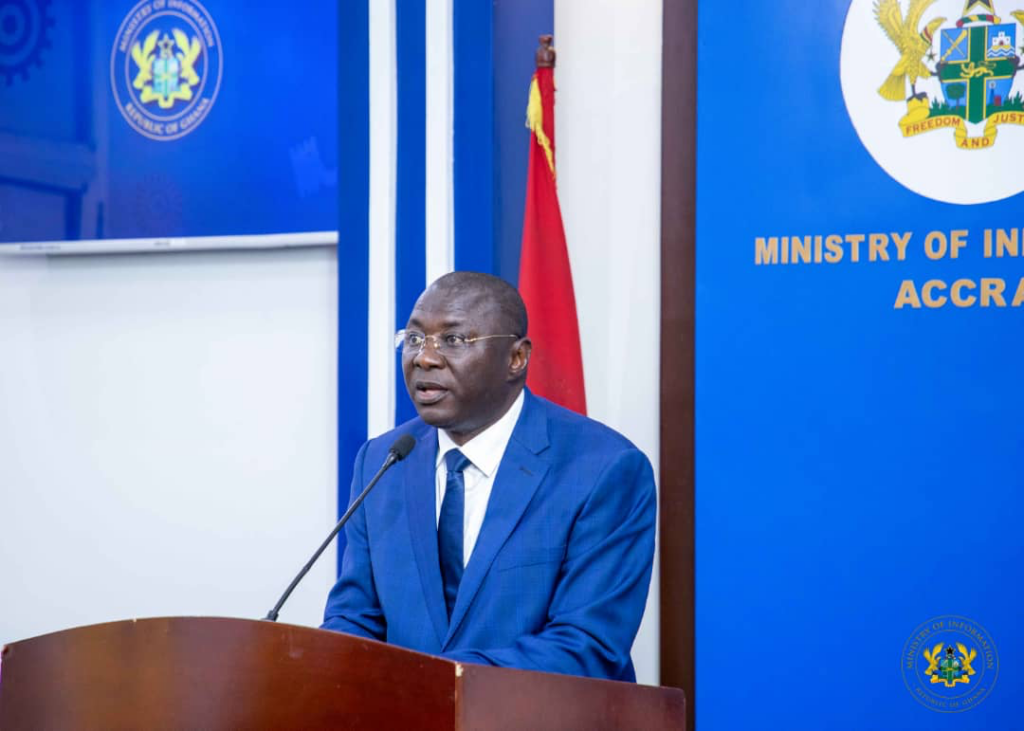
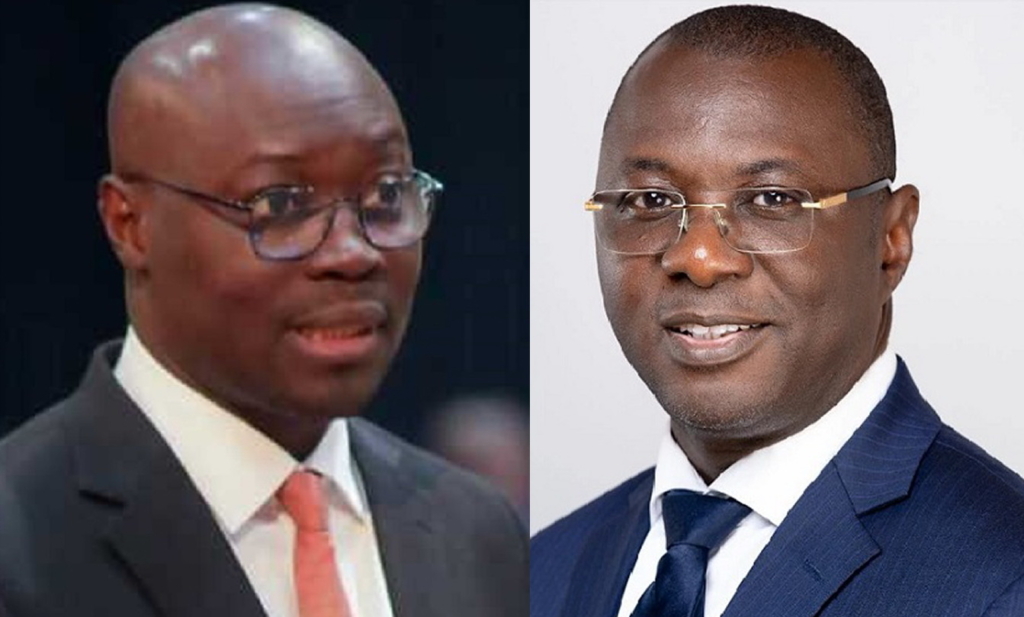
Ghana’s reliance on the International Monetary Fund has become a defining feature of its economic history, with 17 programmes since 1966 shaping the country’s trajectory and leaving a legacy of short‑term stabilisation without long-term transformation. The ‘New Economy’ budget to be presented by Finance Minister Ato Forson on Thursday, 12th November 2026 is positioned as the decisive moment to break that cycle and it carries the weight of expectation that this time the reforms must endure beyond the political calendar and deliver prosperity that is both tangible and sustainable.
Ghana’s reliance on the International Monetary Fund has become a defining feature of its economic history, with 17 programmes since 1966 shaping the country’s trajectory and leaving a legacy of short‑term stabilisation without long-term transformation. The ‘New Economy’ budget to be presented by Finance Minister Ato Forson on Thursday, 12th November 2026 is positioned as the decisive moment to break that cycle and it carries the weight of expectation that this time the reforms must endure beyond the political calendar and deliver prosperity that is both tangible and sustainable.
President Mahama first mentioned the New Economy program in May 2026. It is a $10- billion investment over five (5) years which would be spread across nine (9) pillars and designed to operate without new borrowing. Dr. Forson describes it as a shift from stabilisation to production, with priorities such as gas‑to‑power and gas‑to‑fertiliser projects, the Western Railway Line, pharmaceutical manufacturing, and industrial parks like Afienya. This is a vision every successive government in the 4th Republic has set. That Ghana must become a country that produces what it consumes, and the discipline required to achieve this lies in maintaining fiscal responsibility while unlocking space for investment.
The need for this transformation is underscored by the lived experience of recent years. Inflation reached 54.1% in 2022, the cedi lost more than half its value, and bondholders absorbed a 37% haircut on US$13 billion while ordinary citizens bore the brunt/consequences through diminished purchasing power. Since then, growth has rebounded to 6% in 2025 and debt distress risk has eased yet stabilisation alone has not translated into jobs. Youth unemployment remains alarmingly high, with 21.9% among those aged 15 to 35 and 32.5% among those aged 15 to 24. At independence, Ghana’s income per person was slightly ahead of Malaysia’s but by 2022 Malaysia’s was more than 5 times higher. This a stark and powerful reminder of how far the country has fallen behind.
Ghana's economic history teaches us invaluable lessons. The 1983 Recovery Programme reduced inflation dramatically but failed to sustain growth. Debt relief in the early 2000s created fiscal space that was spent rather than invested, and industrialisation drives from the 1960s to 'One District One Factory' collapsed under weak foundations. Fiscal rules have been breached in election years and ambitious plans have too often evaporated with changes in government. The New Economy must be different from all the previously failed economic initiatives. Of course, the rhetoric is not new but the institutions, laws, and bipartisan commitments that anchor it must ensure continuity beyond 2028.
A bipartisan approach to the New Economy initiative is essential. The NPP, which governed from 2017 until 2024 may inherit the programme midway, and its criticisms from unaccounted GH¢650 billion to the unimplemented 24‑Hour Economy deserve serious scrutiny. Yet scrutiny must serve the national interest not partisan gain. Buy‑in means agreeing on a scoreboard, verifying progress through independent institutions, and ensuring that factories, railways, and power plants are not hostage to political cycles. The credibility of the programme depends on both government and opposition recognising that economic transformation cannot be reduced to applause or obstruction.
A programme beginning in 2027 runs until 2031, with 3 of its 5 years falling under the next government deserves continuity. Gas plants and railways require more than one electoral cycle to deliver returns and a wise man once said, “half‑built assets are the most expensive kind.” Prez. Mahama has pledged to build gains that no successor can reverse, but only law, institutions, and bipartisan agreement can guarantee that promise.
On 12th November 2026, clarity will be the measure of credibility. The country must see a single set of numbers, whether US$2 billion annually or US$1.6 billion, alongside detailed budgets, timelines, and job targets for each pillar. A binding fiscal rule with a debt anchor at 45% of GDP by 2034, quarterly reports verified by the Auditor‑General and Statistical Service, and multi‑year commitments anchored in law will determine whether the New Economy is more than a slogan. Scepticism about inflation risks, the mixed record of state‑backed industry, and the viability of projects like fertiliser plants is valid but such concerns should drive thorough scrutiny.
Ghana does not need an NDC economy or an NPP economy at her age. What the country needs is a prosperity-centred economy. It needs an economy that survives its owners, one that is built on discipline, continuity, and shared responsibility. Thursday’s budget must be the beginning of that resolve to not return to the IMF.
- economy
- ghana
- growth
- programme
- budget
- government
- country
- stabilisation