Millions of Ebola dollars going missing as virus spreads, medical charity warns

Medical staff are going unpaid, lack proper training and are struggling with shortages of essential supplies, MSF warns
Hundreds of millions of dollars meant to help tackle Ebola in the Democratic Republic of Congo are not reaching the intended recipients, a medical charity has warned.
Médecins Sans Frontières (MSF) says while the outbreak remains "out of control", there is a "considerable disconnect" between what is disbursed and what gets to "patients, frontline workers and communities".
"Despite the vast amounts of money provided for the response, many frontline responders are left trying to contain the outbreak with empty hands and empty pockets," the charity says in a report.
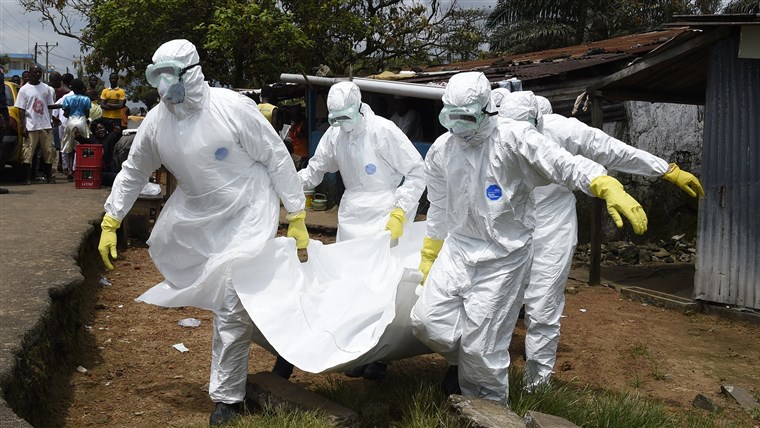
More than 5,400 people have died and 11,000 infected with Ebola in DR Congo since the outbreak was declared in May.
This makes it the second most deadly outbreak of the disease ever recorded.
MSF has urged the Congolese government and UN agencies to "strengthen oversight and accountability" to ensure money already disbursed is effectively utilised.
This means "ensuring response personnel are properly trained, paid, equipped, and supported, and directing resources towards areas where needs are greatest," it said.
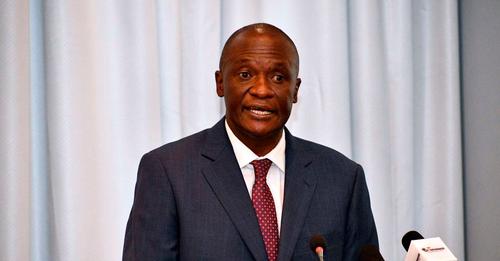
MSF's warning adds to concerns raised by Africa Centres for Disease Control and Prevention (Africa CDC) last month, when it said that $700m (£527m) out of $962m disbursed to organisations implementing Ebola response was unaccounted for.
At the time, Africa CDC chief Jean Kaseya said it was too early to describe it as embezzlement, characterising the issue as a major transparency and financial reporting failure.
What is Ebola and why is stopping the latest outbreak so difficult?
In its report, MSF cited "cases of healthcare workers not being paid or trained, ambulances left to run without fuel, a lack of supplies or support for frontline employees".
It also mentioned Ebola monitoring "surveillance teams that exist on paper but are nowhere to be seen on the ground".
"Our teams are often left speechless by the dysfunctions they witness in many areas. Six months into the response, this situation is simply unacceptable," said MSF president Javid Abdelmoneim.
One important way of stopping Ebola from spreading is contact tracing - finding all those people who had come into contact with an infected person and putting them into isolation. "Despite the resources officially allocated to this critical activity, surveillance remains deeply problematic," MSF said, adding that two-thirds of deaths were occurring in communities not treatment centres.
MSF also raised concerns over "excessive concentration" of efforts in certain areas at the expense of other areas where needs were more urgent.
It said the response was "too slow" in North Kivu province while Haut-Uélé remained "dramatically overlooked".
In both provinces, MSF observed that teams were "inadequately resourced to respond effectively" with health facilities lacking essential items such as water, chlorine or triage systems.
"This has turned some facilities into new centres of transmission, rather than places of care that contribute to containing the disease," MSF said.
The epicentre of the outbreak is in eastern DR Congo, which has been wracked by conflict for many decades, with some affected areas under rebel control.
There are very few good roads in the area, making it very hard to travel around.
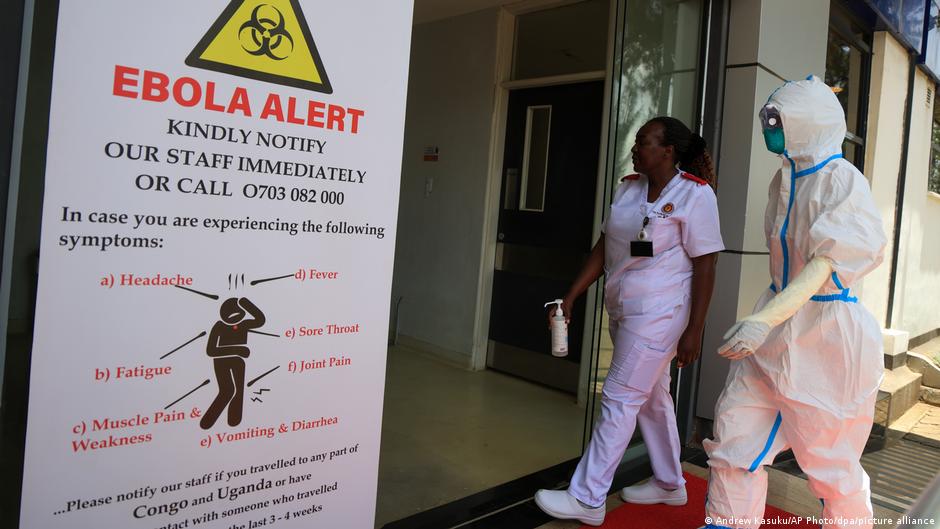
The latest outbreak, caused by the Bundibugyo species of the virus, has spread beyond DR Congo borders, with cases reported in Kenya, Uganda and Nigeria.
On Wednesday, the last person infected with Ebola in Kenya was discharged, marking a major milestone in efforts to contain the disease in the East African nation.
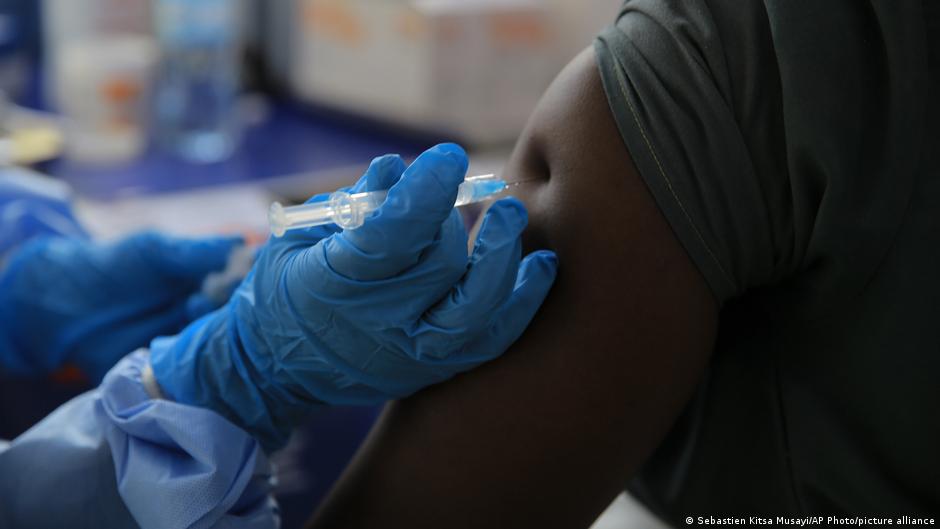
The Bundibugyo species is relatively rare and has no approved vaccine or treatment - though trials are under way.
Questions remain over Ebola patient who travelled across three nations undetected
'They said it isn't real': Ebola rumours fuel attacks on health workers
'I buried my parents one day after the other' - Ebola mourners learn how to grieve safely
- ebola
- virus
- charity
- million
- dollar
- spread
- staff
- training