Oyo targets $3.4trn African market for artisans, creative businesses
By Adeola Badru Oyo State Government has unveiled plans to position local artisans, creative entrepreneurs and small businesses to tap into the estimated $3.4 trillion African Continental Free Trade Area (AfCFTA) market and expand their access to global export opportunities. The SSG further claimed that Oyo State was the first sub-national government in Africa to key into the AfCFTA framework, adding that the state was already positioning itself to participate meaningfully in continental trade.
By Adeola Badru Oyo State Government has unveiled plans to position local artisans, creative entrepreneurs and small businesses to tap into the estimated $3.4 trillion African Continental Free Trade Area (AfCFTA) market and expand their access to global export opportunities. The state government said it was determined to transform its rich cultural heritage into a commercially viable creative industry capable of generating wealth, creating employment and attracting foreign exchange through exports.
Governor Seyi Makinde stated this at the Investment and Export Promotion for Art and Craft Businesses in Oyo State, tagged Oyo State Business Forum 2026: Where Oyo’s Makers Meet the World’s Buyers. The forum, held at the Ministry of Local Government Hall, Secretariat, Ibadan, was organised by the Ministry of Culture and Tourism in collaboration with the Oyo State Investment Promotion Agency (OYSIPA).
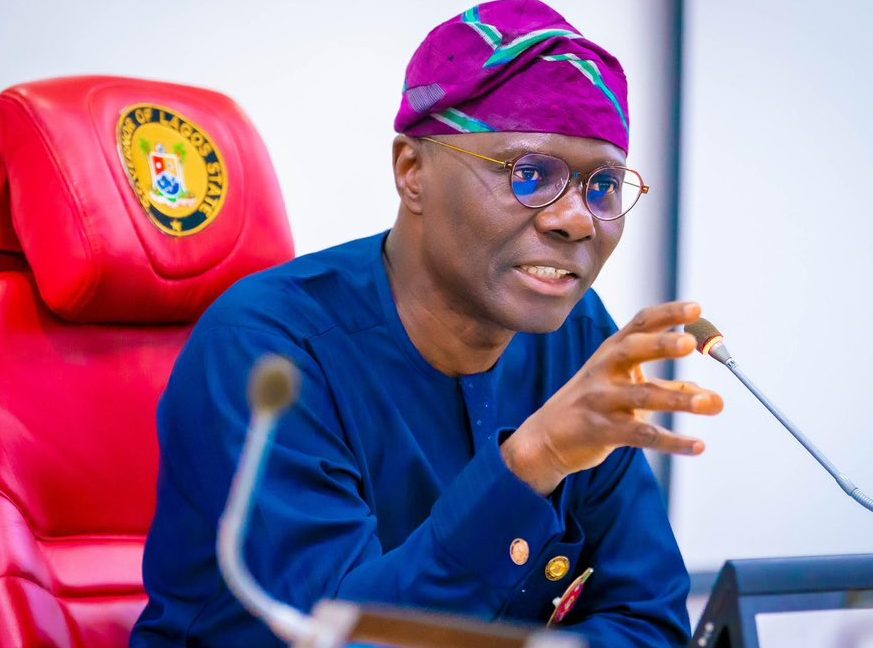
Represented by the Secretary to the State Government, Prof. Musibau Babatunde, the governor said the initiative was a deliberate effort to reposition Oyo State as a major destination for creative enterprise and investment. Addressing government officials, investors, development partners, captains of industry and entrepreneurs, Makinde said the state was determined to ensure that locally produced goods gained international recognition and commercial value.
“Today, we are not just gathered for another forum. We are gathered to make a declaration that Oyo State will no longer be known for its history, but for its entrepreneurial spirit. “We are gathered here around a common ambition to transform what our people create with their hands into products that the world recognises, values and buys,” he said. Tracing Oyo’s commercial heritage to the old Oyo Empire, Babatunde noted that the state had historically played an important role in regional commerce, with its people trading textiles, beads, ironworks and other products across West Africa long before the emergence of modern international trade.
He said AfCFTA had presented another significant opportunity for the state to reclaim its position as a commercial powerhouse by expanding the reach of locally manufactured and processed products. According to him, the continental trade agreement is creating a single African market of approximately 1.4 billion people, with a combined economic output of about $3.4 trillion.
He, however, challenged the state to move beyond recognising the opportunities offered by the agreement and take concrete steps to secure a significant share of its benefits. “The question before us is simple. Will Oyo State merely absorb this opportunity, or will we position ourselves to benefit from it? My answer is clear. Oyo State will be an active participant, and our artisans, creative entrepreneurs and small businesses will be among the driving forces of this ambition,” he said.
The SSG further claimed that Oyo State was the first sub-national government in Africa to key into the AfCFTA framework, adding that the state was already positioning itself to participate meaningfully in continental trade. Speaking directly to artisans and producers across the state, including those in Oyo town, Ibadan and other communities, Babatunde said their skills and products possessed enormous economic potential that remained largely untapped.
He cited wood carvers in Oyo town, women producing Adire fabrics in Ibadan and other traditional craftsmen whose skills had been passed down through generations as examples of creative resources that could be transformed into globally competitive businesses. He lamented that many local producers continued to receive recognition for their creativity without enjoying commensurate financial rewards, as much of the commercial value generated along the supply chain was captured by other players.
“For too long, our artisans have received recognition for their creativity without necessarily receiving the financial rewards that their efforts deserve. “In many instances, producers remain confined to small-scale operations while greater commercial value is captured further along the supply chain. That situation must change,” he said. Babatunde urged artisans to see themselves as entrepreneurs operating within a viable industry rather than merely small-scale producers, noting that their products could compete as distinctive cultural and luxury goods in international markets.
He said local producers needed access to capital, improved production facilities, modern technology, organised markets and business support to maximise their potential. “What we need is not sympathy. We need access to capital, better production facilities, modern technology, organised markets and the right business support. And that is precisely the kind of opportunity we want this forum to create,” he added.
Highlighting the prospects of Nigeria’s non-oil export sector, the SSG cited figures attributed to the Nigeria Export Promotion Council indicating that the country’s n
- oyo
- state
- market
- government
- artisan
- business
- trade
- opportunity