2027 budget should ensure fiscal discipline, direct investment towards productive enterprises and jobs – Deloitte

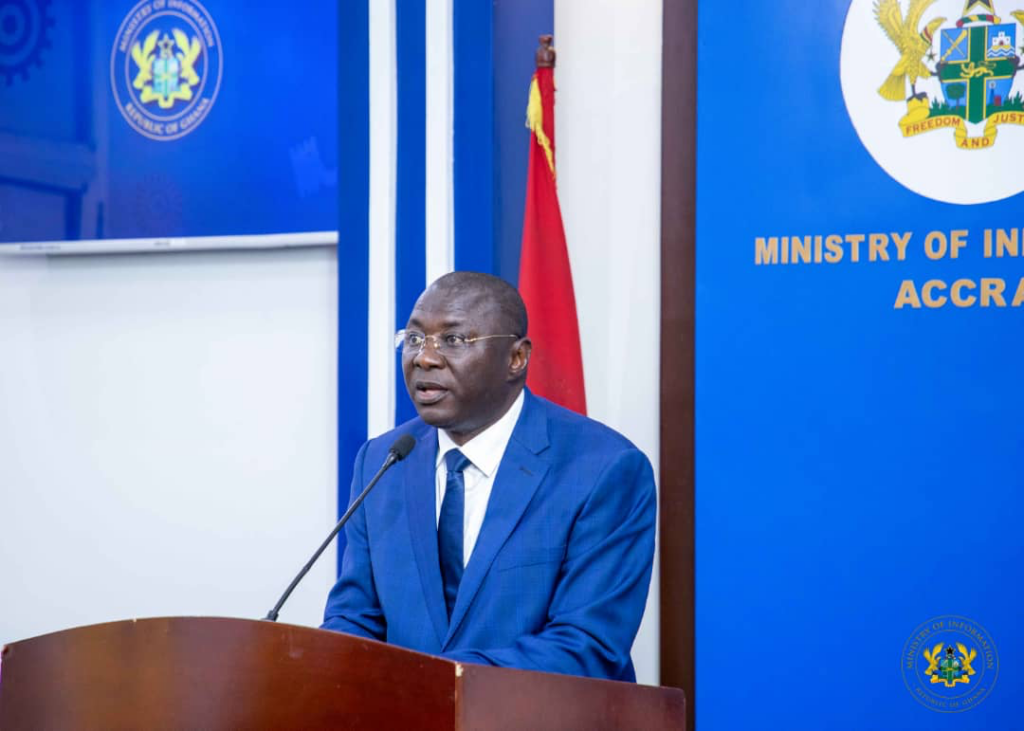
Deloitte Ghana has called for prudent fiscal discipline for the 2027 fiscal year. In his comments, Mr. Daniel Owusu, Country Managing Partner for Deloitte Ghana, called for improved compliance and enforcement in revenue mobilisation.
Deloitte Ghana has called for prudent fiscal discipline for the 2027 fiscal year. This call was contained in the professional services firm’s pre-budget analysis ahead of Ghana’s 2027 budget reading. The firm believes that while real gross domestic product grew by 6.0% year-on-year in the second quarter of 2026, and inflation stood at 5.5% in October, a prudent fiscal balance will be needed to sustain economic stability.
With the government’s policy theme, “New Economy, New Ghana: Jobs and Prosperity”, signalling a strategic shift towards productive investment and employment, expectations centre on translating macroeconomic stability into tangible private-sector growth. Stability and private sector growth Lower inflation provides firms with a reliable basis for pricing and investment planning.
However, the document noted that “lower inflation gives businesses a firmer basis for pricing and investment planning. It does not establish stronger demand in every market”. It further urged leaders to utilise this stability in reviewing expansion projects based on real customer demand. Enterprise growth and tax administration The 2024 Integrated Business Establishment Survey revealed that nine in ten establishments are micro-enterprises, with only 7.7% classified as formal.
This reinforces the need for tax administration to focus on broadening the tax base and improving compliance rather than introducing major new headline taxes. Specific cost pressures may include “higher fuel-oil levies” and “higher local beverage excise within three local-content bands”, the document added. Productive investments and fiscal discipline Deloitte further stated that “additional public investment will create lasting business value only when projects remove production bottlenecks.
Funding alone is insufficient”, emphasising the call for increased fiscal discipline. Whereas the government proposes reducing the primary surplus from 1.5% to 0.5% of GDP, freeing budget room for the new economy, targeted spending will be needed to ensure maximum returns. Growth and employment With youth unemployment remaining a critical issue, public investment must support sustainable job creation.
Programmes like the 24-Hour Economy and Accelerated Export Development Programme target 1.7 million jobs by the end of 2028, though remain subject to delivery. In his comments, Mr. Daniel Owusu, Country Managing Partner for Deloitte Ghana, called for improved compliance and enforcement in revenue mobilisation. On infrastructure projects, he urged the need to explore viable funding options to complete deferred projects.
“Leadership teams should use the approved budget as an immediate input into their 2027 strategies, pricing, investment spending, and planning for their desired economic outcomes,” Mr. Owusu admonished businesses. Deloitte’s perspective From Deloitte’s perspective, “the 2027 Budget should protect fiscal discipline while directing investment towards productive enterprises and sustainable jobs”.
Firms must link capital commitments to credible customers and reliable infrastructure to secure commercial value
- investment
- deloitte
- budget
- discipline
- enterprise
- job
- ghana
- firm