COP31: African youths map water challenges in 51 countries, seek greater role in policy decisions

In Nigeria, the 2024 Demographic and Health Survey found that 71 per cent of the population had access to at least basic drinking water services. However, only 38 per cent of households had water on their premises, while 66 per cent had sufficient quantities when needed
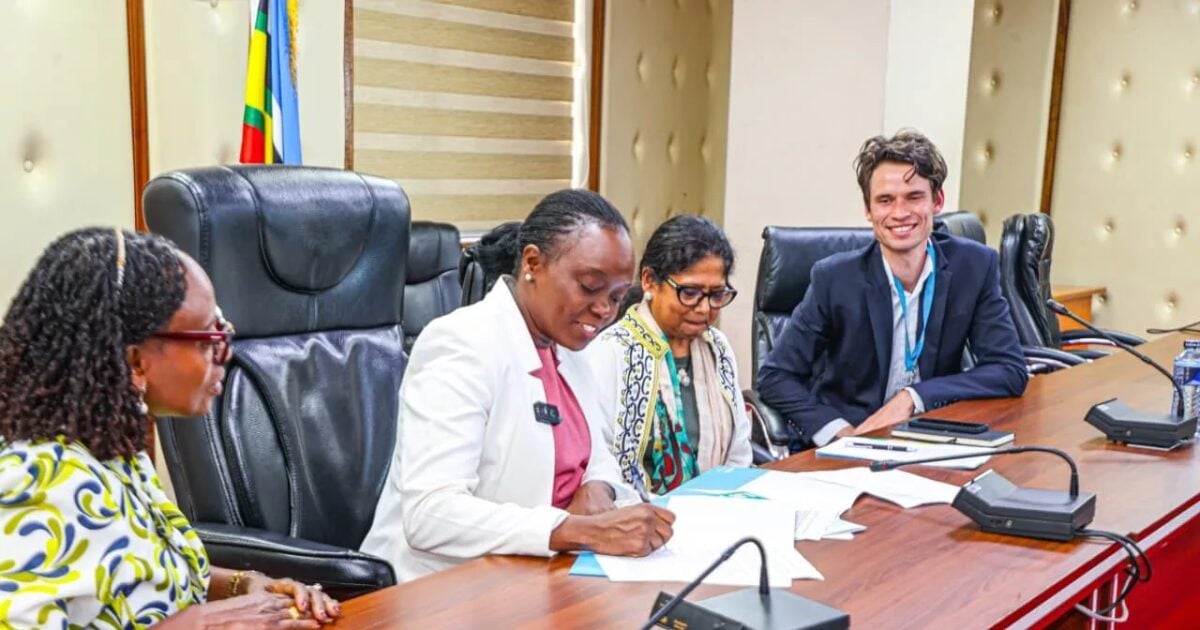
Stakeholders at a discussion on water stress and climate action organised by GAYO and CIFF on the sidelines of COP31 in Antalya, Türkiye
Across Africa, communities face growing difficulties accessing reliable drinking water, and the people experiencing these challenges are not always adequately represented in decisions about how to address them.
An initiative by the Green Africa Youth Organisation (GAYO), in partnership with the Children’s Investment Fund Foundation (CIFF), is seeking to change that by documenting young people’s experiences of water insecurity and bringing their proposed solutions into policy discussions.
The initiative, known as the African Youth Water and Climate Engagement Initiative, has reached 51 African countries, with more than 1,200 young people participating in a preliminary survey and over 900 others taking part in consultations across the continent’s five regions.
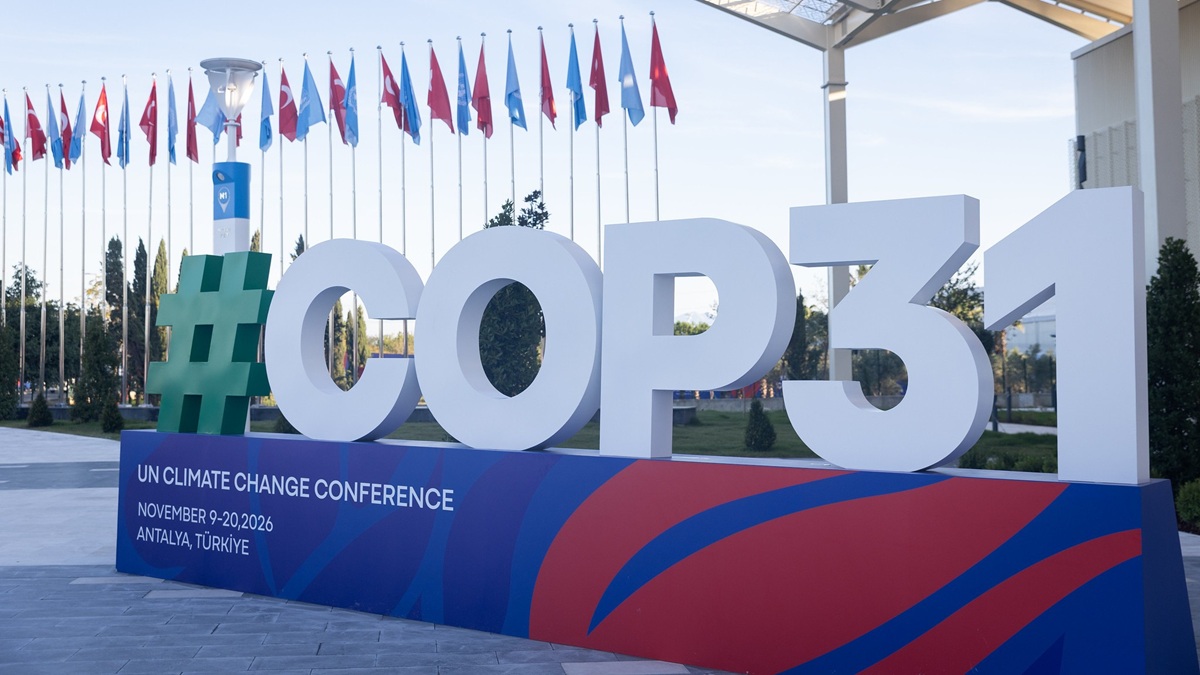
Baliqees Salaudeen-Ibrahim, GAYO’s Climate Director, disclosed this in an interview with PREMIUM TIMES on the sidelines of the 31st United Nations Climate Change Conference (COP31) in Antalya, Türkiye.
She said the research was designed to understand how water challenges affect young people in their communities and to identify solutions they are already developing.
“What we’re trying to understand is what the current water challenges are on the continent of Africa and how young people are responding to this problem,” Ms Salaudeen-Ibrahim said.
According to her, the consultations reinforced concerns raised during the preliminary survey and also highlighted community-based initiatives led by young people.
She said the organisation intends to identify promising practices from the research, mobilise resources for them and explore how successful interventions could be replicated across communities.
The findings are expected to be officially presented at the UN Water Conference in Abu Dhabi in December.
The initiative comes amid persistent inequalities in access to drinking water across Africa.
The 2025 WHO/UNICEF Joint Monitoring Programme report found that only 32 per cent of people in sub-Saharan Africa had access to safely managed drinking water in 2024. The disparity was particularly pronounced between rural and urban communities, with coverage at 16 per cent in rural areas and 52 per cent in urban areas.
In Nigeria, the 2024 Demographic and Health Survey found that 71 per cent of the population had access to at least basic drinking water services. However, only 38 per cent of households had water on their premises, while 66 per cent had sufficient quantities when needed.
For Ms Salaudeen-Ibrahim, addressing the challenge requires more than encouraging young people to participate in climate discussions. Governments must also help develop and implement solutions.
According to her, the research was prepared ahead of COP31 so young people’s findings and recommendations could be presented to the conference leadership for consideration.
She added that collaboration with government institutions could help young people navigate administrative barriers, access communities, and hold public authorities accountable for their water-related commitments.
Beyond policy participation, the initiative raises another question: whether community-led water solutions can attract the resources needed to expand their reach.
Ms Salaudeen-Ibrahim said GAYO intends to identify projects that are bankable, scalable and replicable, to mobilise resources to support their implementation.
Kate Hampton, Chief Executive Officer of CIFF, said the organisation was interested in bringing the experiences and ideas of children and young people to policymakers.
In an interview with PREMIUM TIMES, Ms Hampton said climate change was disrupting children’s lives through its effects on food security, water security, health and education.
She said the foundation was working with organisations such as GAYO to connect climate change and water-related concerns, while ensuring young people’s experiences and proposed solutions informed policy discussions.
Ms Hampton also described young people as contributors to climate solutions rather than merely participants in discussions about them.
“They have actions that they’re taking in their communities, so we’re trying to show how young people are driving solutions, not just talking about solutions,” she said.
She said the foundation was also looking towards the next climate conference in Ethiopia, where it hoped young people across Africa would have greater opportunities to influence the policy agenda.
While the partnership provides a platform for young people’s ideas, the scale of financing available for the identified projects and the mechanisms for distributing such resources will be important measures of the initiative’s impact.
In Nigeria, water access challenges are particularly relevant as state governments try to expand public water infrastructure amid growing urban populations and pressure on existing facilities.
Bankole Michael, Director of Climate Change and Environmental Planning at the Lagos State Ministry of Environment and Water Resources, said in an interview with PREMIUM TIMES that the state government is rehabilitating waterworks and working with development partners and private-sector organisations to improve water supply and wastewater management.
Mr Michael identified the rehabilitation of the state’s water infrastructure, including the waterworks he mentioned during the interview, as part of efforts to expand access to water.
He also said the Lagos State Water Regulatory Commission was working with water providers to improve sector oversight.
The official acknowledged that population pressures and vandalism remained challenges but said the state was working to improve access to water for residents.
“We are on the road to having solutions to the problems that we have,” he said.
Mr Michael also identified partnerships with WaterAid and other private-sector organisations as part of the state’s efforts to address water and wastewater challenges.
However, he did not provide specific figures on the amount committed to the projects or the number of residents expected to benefit.
Without these figures, it is difficult to assess the scale of the interventions or how quickly they could improve access to reliable water.
The African Youth Water and Climate Engagement Initiative is expected to provide a platform for identifying community-led solutions ahead of the UN Water Conference, scheduled for 8 to 10 December in Abu Dhabi.
The conference is expected to bring governments, development organisations and other stakeholders together to accelerate progress towards Sustainable Development Goal 6, which seeks to ensure access to water and sanitation for all.
For African communities facing water insecurity, however, the significance of the discussions will ultimately depend on whether the evidence gathered translates into practical interventions.
- water
- cent
- role
- policy
- youth
- challenge
- country
- decision