2027 Budget offers figures, not relief for struggling Ghanaians – Minority caucus
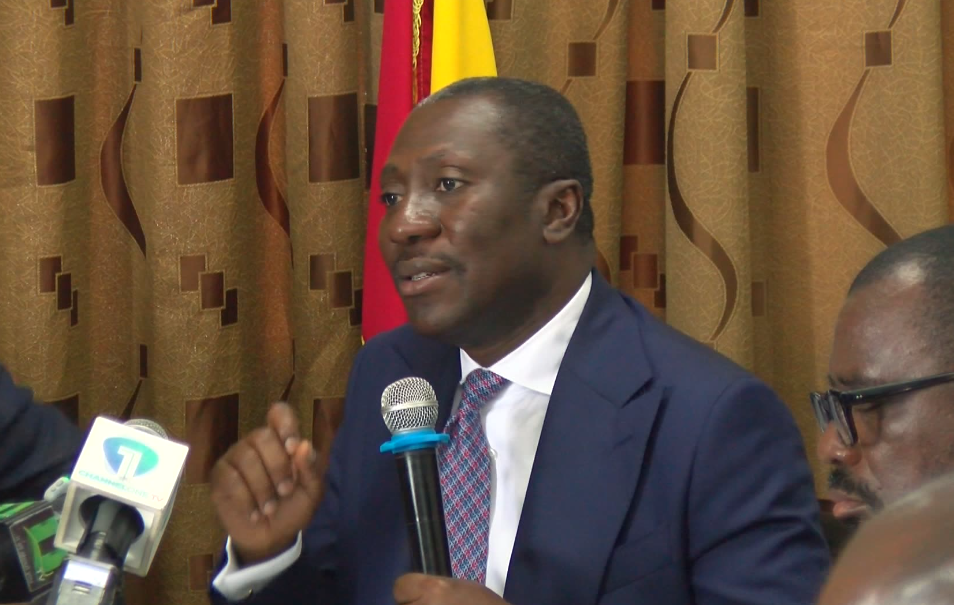
Minority Leader Alexander Afenyo-Markin delivered the caucus’s preliminary assessment at a press conference on Thursday. He cited markets in Techiman, Tamale, Kumasi, Winneba, and Accra, where he said food prices remained out of reach for many households.
The Minority in Parliament says the 2027 Budget fails to address the hardship facing Ghanaians, arguing that the government’s economic figures offer little comfort to people struggling with food prices and unemployment.
Minority Leader Alexander Afenyo-Markin delivered the caucus’s preliminary assessment at a press conference on Thursday. This followed Finance Minister Dr Cassiel Ato Forson’s presentation of the 2027 Budget Statement and Economic Policy to Parliament.
“Stability on paper, hardship in our pockets,” he said.
Afenyo-Markin argued that the government’s claims of progress were not translating into affordable food or employment. He cited markets in Techiman, Tamale, Kumasi, Winneba, and Accra, where he said food prices remained out of reach for many households.
He also accused the government of failing to support farmers, saying locally produced staples had become increasingly expensive.
“Our farmers are suffering; they are not getting any support from the government.”
The Minority Leader questioned the Finance Minister’s appeal for patience. He argued that the government had already had two years to show it could improve living conditions.
“The NDC cannot rebrand unemployment. They cannot slogan away the cost of living.”
He said the budget did not adequately explain how the proposed New Economy Programme would deliver jobs. He questioned how it related to the government’s 24-hour economy policy.
According to him, the presentation lacked clarity on how much of the programme’s proposed US$10 billion would be available in 2027 and which projects it would finance.
He also questioned a development plan running from 2027 to 2030, saying it extended beyond the government’s current term.
Afenyo-Markin welcomed the government’s stated ability to meet obligations under the Domestic Debt Exchange Programme. However, he asked why similar resources were not available for public-sector workers and recruitment.
“But the question is that where is the money to pay JUSAG, the money to pay teachers, the money to pay nurses, and the money to recruit?”
He argued that employment and household welfare should test economic performance.
“It is not data that Ghanaians are going to consume. Ghanaians want jobs, jobs, jobs.”
The Minority Leader also questioned progress on the promised women’s bank. He said the Finance Minister had not addressed it in the presentation, despite commitments in previous budgets.
He criticised electricity tariff increases and argued that the proposed incentives for machinery imports were insufficient to stimulate private investment.
“Without the private sector, the economy cannot grow.”
Afenyo-Markin said the caucus would examine the budget in detail and present a fuller assessment after the budget workshop.
- budget
- minority
- government
- ghanaians
- caucus
- afenyo
- markin
- job