Experts place emphasis on ‘resilient blue economy’

92nd annual meeting of the Indian Academy of Sciences opens at National Centre for Earth Science Studies, Thiruvananthapuram
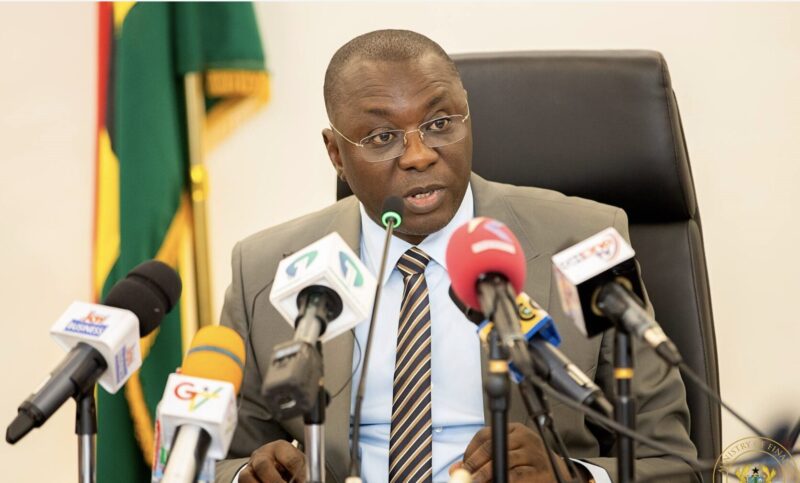
M. Ravichandran, faculty at School of Interdisciplinary Studies, Indian Institute of Technology - Madras, speaking at the 92nd meeting of the Indian Academy of Sciences in Thiruvananthapuram on Friday.
M. Ravichandran, faculty at School of Interdisciplinary Studies, Indian Institute of Technology - Madras, on Friday underscored the need to build upon the concept of a ‘resilient blue economy’ for sustainable growth from India’s seas.
Dr. Ravichandran was addressing a special session on ‘Blue economy and advances in deep ocean research’ at the 92nd annual meeting of the Indian Academy of Sciences (IASc) which opened at the National Centre for Earth Science Studies (NCESS), Thiruvananthapuram, on Friday.
According to him, a ‘resilient blue economy’ sits where sustainable use, resilient assets, hazard mitigation and nature-based protection meet. A resilient blue economy has to address climatic and non-climatic challenges and natural hazards simultaneously and close gaps.
Climatic stresses include sea-level rise, coastal erosion, ocean warming and mangrove losses. Non-climatic include range from oil spills to marine pollution. Cyclones, tsunamis, coastal flooding and storm surges form challenges in the natural hazards category. Dr. Ravichandran emphasised the need to fill gaps related to resource mapping, development of the required technologies, mitigation measures and policies and the human capital - both skilled and unskilled for developing such an economy.
Inaugurating the meeting, Srinivasa Kumar Tummala, Secretary, Ministry of Earth Sciences (MoES), said that weather observation networks were being strengthened across India as part of improving the accuracy of forecasts under Mission Mausam. Radar networks were being expanded to 130 radars from the present 50 under the initiative, along with allied systems, including satellite support, automatic weather stations (AWS), improved weather modelling and high-performance computing systems, he said. “The aim is to provide more accurate weather forecasts to the community. It could be farmers, fishers or disaster managers. Be it monsoons, cyclones or everyday weather, we need to take it (forecasts) down from the district level to block level and to panchayat level,” he said.
Cleared by the Union Cabinet in September 2024, Mission Mausam is aimed at making India ‘weather ready’ and ‘climate smart,’ meeting global standards. On the Deep Ocean Mission of the MoES, he said that the mission’s outcome would form “a great basis” for the Blue Economy framework that India is currently developing. Blue Economy currently contributes 4% to the national GDP. The national target is to build it up to 8% to 10% in the next few years, Dr. Tummala pointed out.
IASc president Raghavan Varadarajan, Indian Institute of Science, Bengaluru, spoke on ‘Understanding and modulating gene function through mutational scanning.’ He explained how studying the effects of thousands of genetic mutations can advance understanding of protein structure and function, with applications in therapeutics and vaccine development.
N. V. Chalapathi Rao, Director, NCESS, said the relevance of research in earth sciences has grown significantly. “We are living in an era dominated by climate change, environmental challenges, increasing natural hazards such as glacial cloudbursts, landslides, tsunamis and cyclones. This makes earth since research much more relevant than ever before,” he said.
The annual meeting of IASc was last held in Thiruvananthapuram in 2007. The 92nd meeting will conclude on Saturday.
- emphasis
- economy
- expert
- meeting
- indian
- academy
- sciences
- national