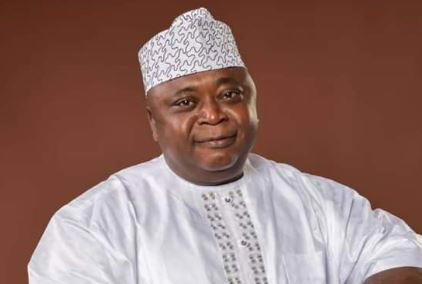
Nigeria needs 700,000 housing units annually to tackle deficit, Durojaye says
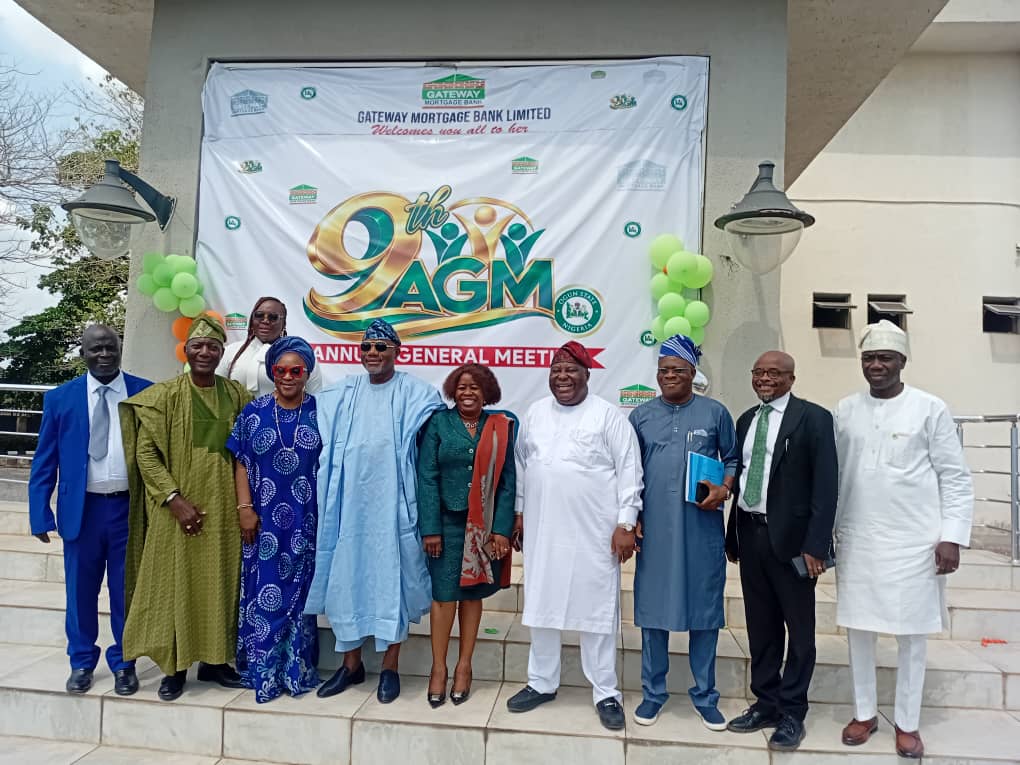
By James Ogunnaike, Abeokuta The Chairman of the Board of Directors of Gateway Mortgage Bank Limited, Samuel Durojaye, has said that Nigeria needs to construct approximately 700,000 housing units annually over the next decade to significantly reduce its housing deficit. Durojaye, who disclosed this at the 9th Annual General Meeting of Gateway Mortgage Bank Limited, held in Abeokuta, Ogun State described mortgage institutions as vital to bridging the country’s housing gap, explaining that they play a dual role in facilitating homeownership for individuals and providing property developers with…
By James Ogunnaike, Abeokuta The Chairman of the Board of Directors of Gateway Mortgage Bank Limited, Samuel Durojaye, has said that Nigeria needs to construct approximately 700,000 housing units annually over the next decade to significantly reduce its housing deficit. Durojaye noted that achieving the target would require sustained investment, improved access to housing finance and greater collaboration among key stakeholders in the real estate and mortgage sectors.
Durojaye, who disclosed this at the 9th Annual General Meeting of Gateway Mortgage Bank Limited, held in Abeokuta, Ogun State described mortgage institutions as vital to bridging the country’s housing gap, explaining that they play a dual role in facilitating homeownership for individuals and providing property developers with access to the financing needed to expand housing construction.
He stressed that strengthening mortgage financing would improve the capacity of developers to deliver more housing units and make homeownership more accessible to Nigerians. He added that increasing the supply of affordable housing would help ease pressure on the property market, particularly by moderating the persistent rise in rental costs across major urban centres.
According to him, addressing the housing deficit requires a sustained focus on expanding housing supply and improving access to affordable financing to ensure that more Nigerians can secure decent and affordable homes. The chairman, however, identified access to long-term funding as one of the major constraints confronting mortgage banks, explaining that the long repayment periods associated with housing loans made it difficult for institutions to rely on short-term deposits.
“The minimum tenure for a mortgage is 10, 15 or 20 years. You cannot take people’s money when they expect it back in 90 days and put it into a property that will not pay back until 15 years,” he said. He therefore called for funding arrangements that would align with the long-term nature of mortgage financing, stressing that sustainable access to capital was essential for expanding homeownership.
Durojaye also urged Nigerians, particularly young professionals and salary earners, to embrace mortgage financing early in their careers, rather than commit substantial portions of their income to recurring rent payments. “Instead of paying ₦2m in rent every year, why don’t you buy a house and start paying ₦200,000 monthly from your salary?” he asked.
He explained that mortgage arrangements enabled prospective homeowners to spread the cost of acquiring properties over an agreed period, allowing them to build long-term assets instead of continually spending on rent. To improve public awareness and encourage greater participation in the mortgage market, the chairman said the bank had intensified its enlightenment campaigns through radio programmes, engagements with market associations and interactions with civil society organisations.
He added that the institution was also prepared to leverage available Federal Government intervention funds to expand access to housing finance. The performance figures were disclosed at the bank’s 9th Annual General Meeting held in Abeokuta, Ogun State, where shareholders considered its audited financial statements for the year ended December 31, 2025.
Speaking on the positive growth trajectory of the bank, Durojaye sai Gateway Mortgage Bank Limited has recorded a 12 per cent increase in profit after tax, rising from ₦179.08m in the 2024 financial year to ₦199.79m in 2025, despite prevailing economic challenges. He added that the bank also recorded a 22 per cent growth in total assets, which rose from ₦11.09bn to ₦13.52bn, while its loan portfolio expanded by 26 per cent to ₦5.77bn.
He attributed the performance partly to the support of the Ogun State government, its ministries and agencies, noting that the bank had continued to play an active role in the state’s housing development initiatives, by providing mortgage facilities to beneficiaries of government housing schemes. A breakdown of the financial statements showed that profit before tax increased by approximately five per cent, from ₦271.25m in 2024 to ₦284.34m in 2025.
Interest income from loans rose by 28 per cent, from ₦756m to ₦969.48m, while investment income increased by 63 per cent, from ₦689.36m to ₦1.13bn. The bank’s deposit liabilities also grew by 36 per cent, from ₦3.69bn to ₦5.02bn, indicating an increase in customer deposits during the period. However, operating expenses rose by 32 per cent, from ₦1.12bn to ₦1.48bn.
The bank also recorded an impairment allowance charge of ₦16.49m, compared with an impairment reversal of ₦13.28m in the preceding financial year. Meanwhile, the Ogun State Commissioner for Finance, Otunba Dapo Okubadejo, who represented Governor Dapo Abiodun at the AGM, attributed the state’s growing investment profile to improvements in infrastructure, security and the business environment.
Okubadejo described invest
- housing
- durojaye
- mortgage
- bank
- deficit
- access
- financing
- nigeria