BPP, ICPC rank among Tinubu govt’s best-performing agencies – Report
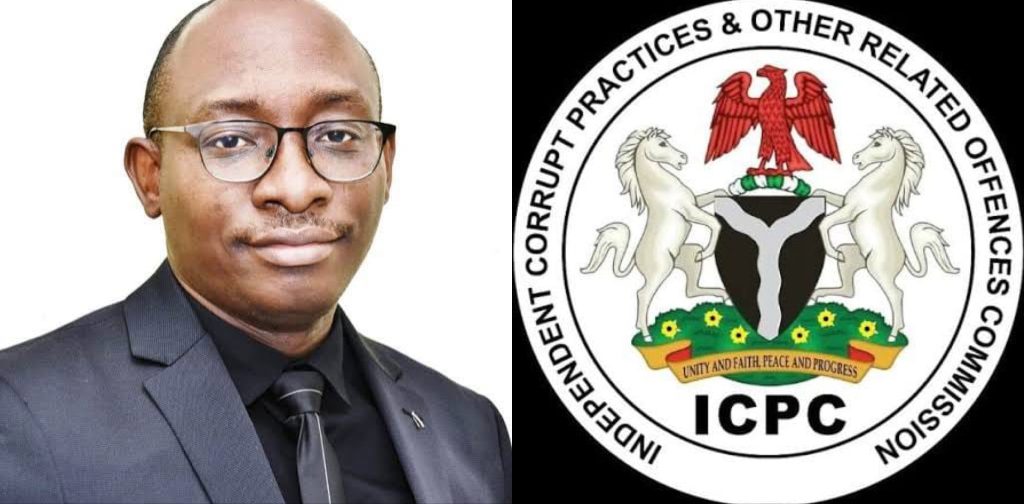
The Bureau of Public Procurement (BPP) and the Independent Corrupt Practices and Other Related Offences Commission (ICPC) have emerged among the best-performing agencies under President Bola Tinubu’s administration in an independent service delivery assessment conducted by a coalition of civil society organisations. The BPP, led by its Director-General, Dr Adebowale Adedokun, received particular recognition for procurement reforms that reportedly saved the Federal Government approximately N1.1 trillion in 2025.
The Bureau of Public Procurement (BPP) and the Independent Corrupt Practices and Other Related Offences Commission (ICPC) have emerged among the best-performing agencies under President Bola Tinubu’s administration in an independent service delivery assessment conducted by a coalition of civil society organisations. The assessment, highlighted at a roundtable in Lagos, recognised the two institutions for their contributions to transparency, accountability, protection of public resources and efforts to strengthen safeguards against corruption.
The engagement brought together civil society leaders to examine the performance of selected ministries, departments and agencies (MDAs), with particular attention to institutional efficiency, public accountability and the delivery of measurable results. The BPP, led by its Director-General, Dr Adebowale Adedokun, received particular recognition for procurement reforms that reportedly saved the Federal Government approximately N1.1 trillion in 2025.
According to the assessment, the savings demonstrate the potential of effective procurement regulation to reduce waste, curb inflated contract costs and ensure more responsible use of public funds. The Bureau has introduced measures to strengthen price intelligence and cost benchmarking, enabling government agencies to assess contract estimates against prevailing market prices and improve value for money in public spending.
Other initiatives highlighted include the digitalisation of procurement processes, revised Standard Bidding Documents, updated procurement guidelines and the development of electronic procurement systems designed to improve efficiency and reduce opportunities for manipulation. The BPP has also pursued a National Debarment Policy to strengthen accountability for contractors involved in serious misconduct, alongside professional training and certification programmes for procurement officers.
The coalition noted that effective procurement oversight could help reduce corruption risks, promote competition, improve investor confidence and ensure that public expenditure translates into better infrastructure and essential services. The ICPC was similarly recognised for its role in investigating corruption, enforcing relevant laws and promoting preventive measures to strengthen integrity within public institutions.
The commission’s responsibilities include addressing abuse of office, protecting public resources and promoting ethical standards across government agencies. The assessment highlighted the importance of the ICPC’s work in public procurement, where inadequate oversight and corrupt practices can expose government finances to substantial losses. It also stressed the need for sustained anti-corruption efforts, professional investigations, credible enforcement and stronger collaboration among regulatory agencies, law enforcement institutions and civil society organisations.
Beyond the performance of the two agencies, the Lagos roundtable examined the broader responsibility of government institutions to demonstrate measurable improvements in public service delivery. Participants argued that agencies should be assessed not merely on policies announced or activities undertaken, but on their tangible impact on citizens and the efficient use of public resources.
They emphasised that institutions responsible for infrastructure, economic regulation, social services, public administration and national security must demonstrate transparency, efficiency and responsiveness to public needs. The coalition also called for continuous independent monitoring of government agencies, stressing that performance assessments should serve as an ongoing mechanism for identifying successful practices, exposing institutional weaknesses and encouraging reforms.
For the BPP, sustaining the reported procurement savings will require stronger enforcement of regulations, improved project monitoring, wider adoption of digital systems and continued professional development. The assessment also underscored the importance of ensuring that lower contract costs translate into quality projects and tangible benefits for Nigerians.
For the ICPC, participants stressed that sustained preventive measures, credible enforcement and institutional cooperation would remain essential to strengthening public confidence in the fight against corruption. The coalition maintained that recognising progress must go hand in hand with continued scrutiny to ensure that government institutions remain accountable and focused on delivering results.
It said sustained engagement between civil society and public institutions would be critical to protecting public resources, improving governance and ensuring that government policies produce meaningful outcomes for Nigerians.
- bpp
- procurement
- agency
- icpc
- government
- assessment
- institution
- tinubu