COP31: Africa’s climate action network PACJA unveils plan to train 500 youths on climate justice
The school will train about 500 young people in Addis Ababa in June 2027, five months before Ethiopia hosts COP32. Applications close in January.
The Pan African Climate Justice Alliance (PACJA), a coalition of over 2000 organisations dedicated to promoting climate action as an advocacy tool in 54 African countries, has launched the sixth cohort of its Nairobi Summer School on Climate Justice, aiming to train 500 youths.
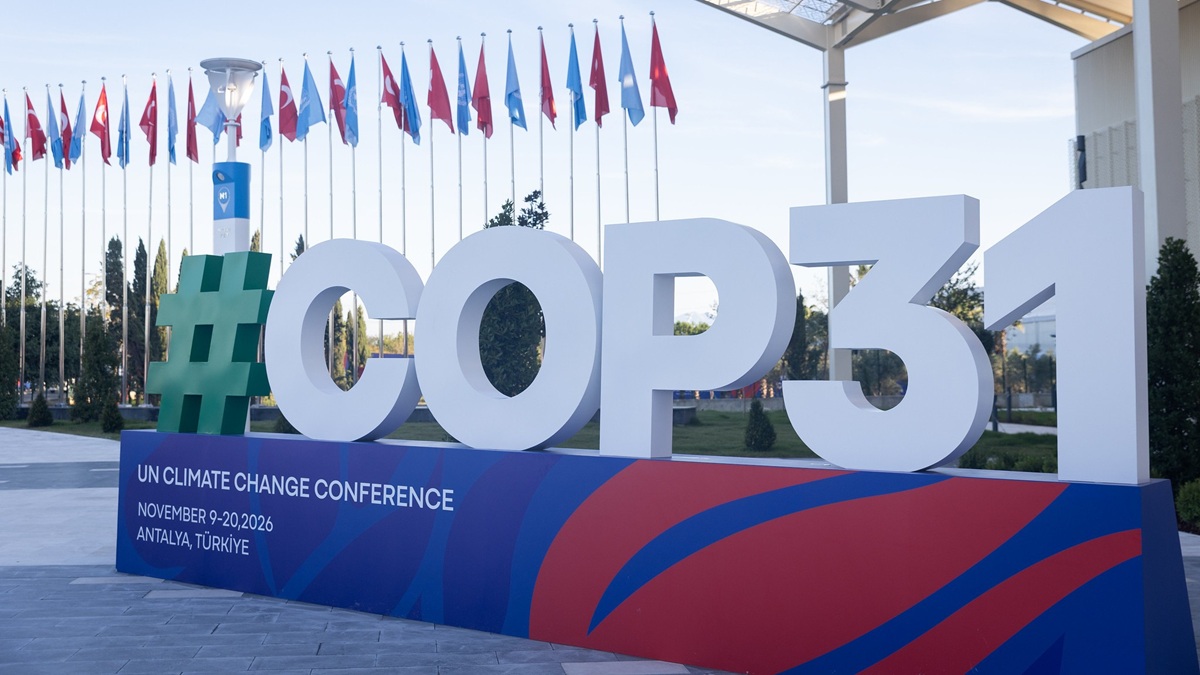
The trainees, to be drawn from within and outside the continent, will attend a capacity development workshop in Addis Ababa, Ethiopia, from 20 June to 3 July 2027, the group stated on Friday at the 31st meeting of the Conference of the Parties (COP31) to the UN Framework Convention on Climate Change.
Participants will learn how climate negotiations work and acquire insight into climate finance, adaptation, loss and damage, just transition and accountability. They will also take part in mock negotiations and meet negotiators and policymakers.
PACJA advances climate action through capacity building, policy advocacy, research, and support for local climate resilience and land restoration projects.
Mithika Mwenda, executive director of PACJA, said Africa’s young people hold less than five per cent of the positions where climate decisions are made, even though they constitute as much as 60 per cent of the continent’s population.
He said the school was set up in 2020 to close that gap. The five previous cohorts trained more than 2500 young people from 144 countries.
The programme will now be held every two years in line with the organisation’s strategic plan for 2026 to 2030.
“Young Africans should not only be invited to the table. They should arrive prepared,” said Augustine Njamnshi, chair of PACJA’s political and technical affairs, who unveiled the cohort.
Mr Njamnshi acknowledged the support given by the African Development Bank, the UN Economic Commission for Africa, the Swedish Development Agency, the East African Legislative Assembly and the HBCU Green Fund to the school.
Mr Njamnshi said the school’s alumni include young negotiators, policy analysts, people working on the green economy and in academia.
Smriti Shah of the fourth cohort told PREMIUM TIMES she once believed climate justice was “highly political”, but PACJA has changed her perspective.
“PACJA taught me to carry the views of communities to policymakers, and now I include climate justice in every humanitarian programme I work on,” she said.
Shampi Anna, also from the same cohort, said alumni are helping young members of parliament in Kenya with bills, lobbying and advocacy.
“We worked, and we continue to work with young parliamentarians in Kenya,” Ms Anna said.
A Nigerian and member of the fifth batch, Anuoluwapo Otubusin, told FEMNET, an organisation promoting women’s development in Africa, that she had a remarkable experience that was more than just attending a climate action training.
“It was a turning point in how I currently view advocacy, policy influencing, solidarity and my role in shaping a feminist climate future,” she said.
Prospective applicants for the latest cohort must be 18 to 35 years old and hold at least a high school certificate.
PACJA said it will prioritise applicants from places most prone to climate change in Africa and the Global South, especially young people from indigenous communities, grassroots movements, women’s groups, universities and policy institutions.
- climate
- africa
- action
- network
- pacja
- justice
- youth
- school