Ebola: 53 Contacts, Including Healthcare Workers Under Surveillance, Says NCDC

The number of contacts linked to the index case of Ebola recorded in October 2026 has risen to 53, the Nigeria Centre for Disease Control and Prevention (NCDC) has said. Meanwhile, the Director-General of the agency, Dr. Jide Idris, has reassured Nigerians that the Federal Government, through the Federal Ministry of Health and Social Welfare, the Nigeria Centre for Disease Control and Prevention, the FCT health authorities and partners, is fully committed to responding to the confirmed case of Ebola disease in the Federal Capital Territory.
The number of contacts linked to the index case of Ebola recorded in October 2026 has risen to 53, the Nigeria Centre for Disease Control and Prevention (NCDC) has said.
The agency said the contacts comprise health workers as well as the domestic staff and spouse of the patient diagnosed with the disease.
The NCDC, in its Ebola Disease Situation Report, said that a newly suspected case was reported by Rivers State on October 23, but laboratory results returned negative for Ebola disease.
“Fifty-three contacts linked to the index case have so far been identified, categorized and followed up. Contacts listed include healthcare workers, domestic staff and spouse,” the report dated October 24, 2026, partly read.
Giving a background on the index case, it said the patient is a 42-year-old woman who returned from Uganda through Addis Ababa on October 3, 2026, via an international flight to Abuja, Nigeria.
The agency said she became symptomatic four days later and presented to a private health facility on October 10, and another on October 11.
“She presented to another private facility on the 11th of October 2026, where she was admitted. The NCDC was notified on the 19th of October, followed by in-depth case investigation and sample collection,” it said.
“A confirmation by the NCDC National Reference Laboratory was made on 20th October 2026. Symptoms at presentation included fever, diarrhoea, generalised body aches and sore throat. Bleeding was not reported.”
Meanwhile, the Director-General of the agency, Dr. Jide Idris, has reassured Nigerians that the Federal Government, through the Federal Ministry of Health and Social Welfare, the Nigeria Centre for Disease Control and Prevention, the FCT health authorities and partners, is fully committed to responding to the confirmed case of Ebola disease in the Federal Capital Territory.
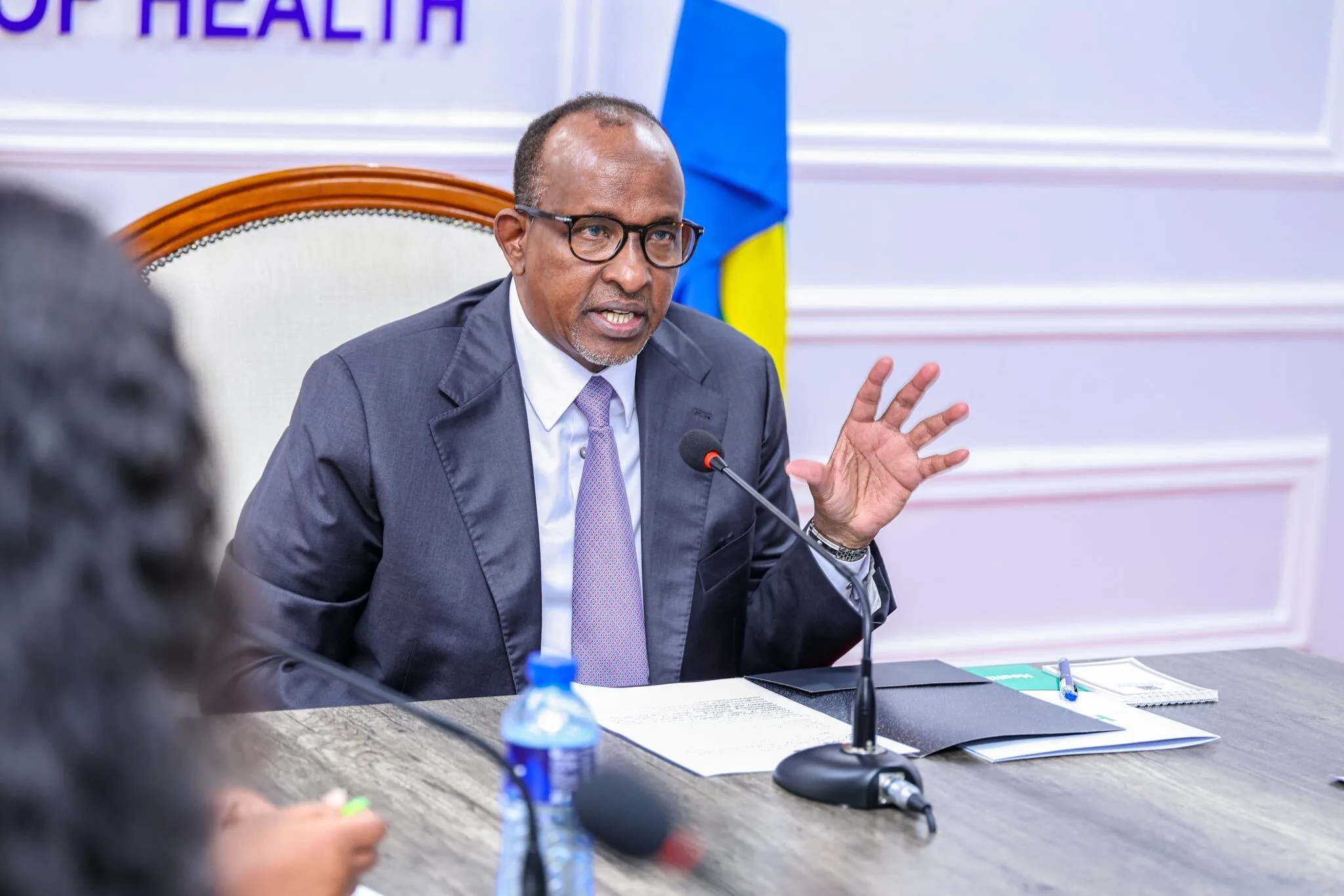
“I recognize the concern that the confirmation of Ebola may have caused among Nigerians. Ebola is a serious disease, and we are handling this situation with the urgency it deserves,” he said at a press briefing on Sunday. “We have a clear response plan, experienced personnel, and established public health systems that we are deploying to prevent further transmission.”
Idris explained that the government’s response is being implemented through a structured Incident Management System, coordinated by the Emergency Operations Centre, under the national leadership of the Coordinating Minister of Health and Social Welfare, Mohammed Pate, and the Presidential Task Force on EVD.
“Our public health teams are working to identify everyone who may have been exposed to the confirmed case, assess their level of exposure, and ensure appropriate follow-up for 21 days from their last possible exposure.
“This includes healthcare workers, patients, caregivers, household members, travel-related contacts and others who may have had relevant exposure.”
While describing contact tracing as a detailed process requiring careful investigation, accurate information, and continued follow-up, the DG urged Nigerian to “cooperate fully” if contacted by a public health official.
“I want to appeal directly to Nigerians: if you are contacted by a public health official, please cooperate fully. Provide accurate information about your movements, contacts, and any symptoms you may have experienced.
“Being identified as a contact does not mean that you have Ebola. It means that public health teams need to assess and monitor your health so that any possible infection can be identified early. Your cooperation will help us identify potential cases quickly and prevent further transmission,” Idris added.
He commended the healthcare workers whose vigilance and clinical judgement contributed to the identification of this case, noting that their high index of suspicion was critical in triggering the public health response.
“I equally recognise their dedication care under challenging circumstances. You are central to our ability to bring this situation under control,” Idris said.
“These include not only doctors, nurses and other professionals working in hospitals, but also the public health workforce responsible for surveillance, contact tracing, laboratory diagnosis, case management, infection prevention and control, community engagement and risk communication.”
The Director General of the NCDC said the Federal Government would prioritise their safety, health and welfare of health workers throughout the response.
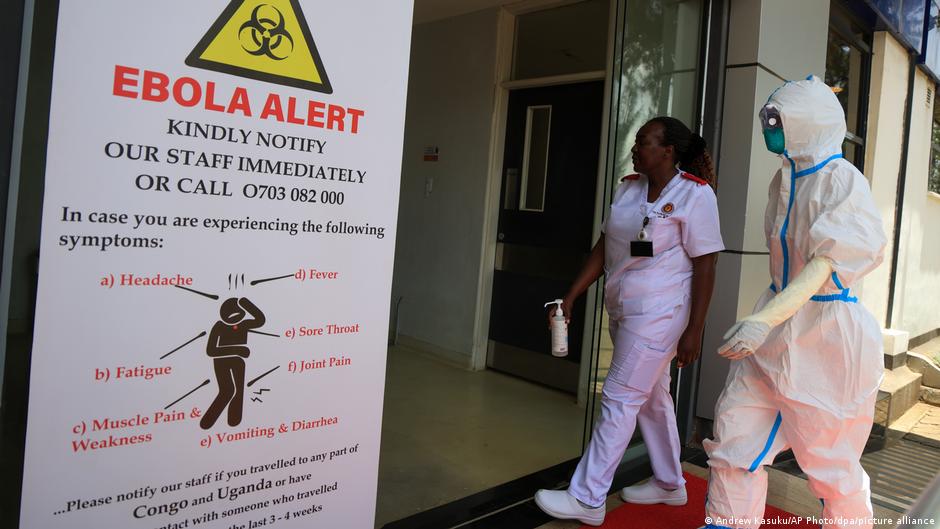
“I want to use this opportunity to call on the leadership of every public and private healthcare facility in Nigeria to immediately review and strengthen their infection prevention and control measures.
“Screening and triage must be instituted and consistently implemented. Healthcare workers must maintain a high index of suspicion, particularly when attending to patients with compatible symptoms and relevant exposure histories,” he said.
“Standard precautions must be observed at all times. Hand hygiene, environmental cleaning, injection safety, safe management of sharps and proper waste management cannot be compromised.
“Healthcare facilities must ensure the availability of appropriate personal protective equipment in the right quantities and ensure that staff know how to use it correctly.”
Idris further stated that any suspected case must be promptly separated from other patients and reported to the relevant public health authorities.
“Healthcare workers should not wait for laboratory confirmation before taking appropriate precautions,” he added.
“Protecting healthcare workers is essential to protecting the communities they serve.”
- ebola
- health
- healthcare
- ncdc
- contact
- case
- october
- disease