Who gets to tell Ghana’s story on the cedi? An open letter to the Bank of Ghana on the Heritage series

An open letter to the Bank of Ghana on the Heritage series. The next day, Dominic Owusu, the Bank’s Director and Head of Currency Management, told Joy FM’s Super Morning Show that the Heritage Series would include no GH¢500 note.
I write to you as a fellow practitioner. In more than 20 years in PR, including my time in banking as Head of Corporate Communications, I have learnt what it feels like to spend months preparing for a launch and then find, within hours, that the public is having a different conversation from the one you planned. I want this launch to work for the Bank and for the people who use the cedi every day.
I tell my public relations students that PR should also stand for People’s Reactions. We used to assess a launch by the press release and the front pages the next morning. The question I ask now is what people do after you publish or post. By that measure, the first few days of the Heritage Series have been difficult.
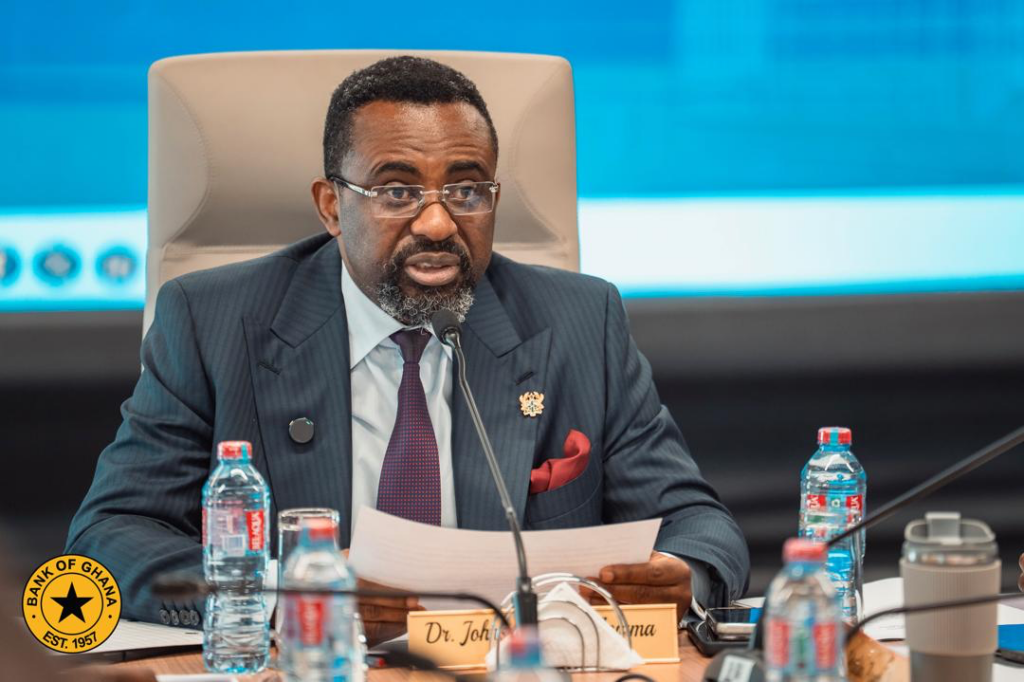
Let me give the Bank credit for getting some important things right. On 24 September 2026, Bank of Ghana Governor Dr Johnson Pandit Asiama said that existing notes would remain legal tender and that the public had no need to rush to exchange or withdraw them. The next day, Dominic Owusu, the Bank’s Director and Head of Currency Management, told Joy FM’s Super Morning Show that the Heritage Series would include no GH¢500 note. That was good issue management. (BoG, 24 September · MyJoyOnline, 25 September)
In its 14 October report on the Bank’s engagement with disability groups, Graphic Online quoted Mr Owusu explaining how enhanced tactile marks would help people with visual impairments distinguish the notes. He also said the Bank would invite the groups back to test the notes before they entered circulation. I was glad the Bank made room for that feedback. Ghanaguardian reported that some respondents in GhanaWeb’s 13 November vox pop welcomed the designs, while others questioned the cost. (Graphic Online, 14 October · Ghanaguardian, 14 November)
When President John Dramani Mahama unveiled the Heritage Series on 12 November 2026, the Bank presented a more durable cedi with improved security features. Much of the public debate that followed focused on the faces. (The Presidency, 12 November · Citi Newsroom, 12 November)
Five members of the Big Six are absent from the Heritage Series. Dr Kwame Nkrumah appears on the GH¢200 note. MyJoyOnline reported that, at a press conference on 12 November, Minority Leader Alexander Afenyo-Markin accused the government of rushing the redesign to remove the Big Six from the currency and diminish their place in Ghana’s history. That same day, filmmaker Jackson K. Bentum publicly appealed to President Mahama to restore the five portraits, according to YEN.com.gh. (Citi Newsroom, 12 November · The Presidency, 12 November · MyJoyOnline, 13 November · YEN.com.gh, 12 November)
Then came the GH¢50 note. In a LinkedIn post reported by Graphic Online on 13 November, Professor Eddie Obeng, a nephew of Theodosia Okoh, said he believed the portrait showed his mother, Dr Letitia Obeng. (Graphic Online, 13 November)
The Governor’s September statement had set 3 November as the launch date. The unveiling took place on 12 November. By the next day, two questions were already in the public discussion. Who chose the faces, and what did the redesign cost? (BoG, 24 September · The Presidency, 12 November · MyJoyOnline, 13 November · Ghanaguardian, 14 November)
The Bank explained why the notes needed upgrading and what the designs were meant to celebrate. I would have liked to hear who chose the portraits, what guided those choices and which historians and families the Bank consulted. Change the faces on a banknote, and you are editing the national story people carry in their pockets. If you leave people to guess how those choices were made, they will come up with their own answers. (Governor’s launch remarks, 12 November)
Graphic Online reported that Beatrice Feehi Annangfio, a non-executive director of the Bank, responded on Facebook on 12 November. She said the portrait was developed from three photographs of Mrs Okoh. The Bank’s Communications Department issued a statement on 13 November. I would have put the first formal explanation on the Bank’s own channels. Anyone trying to check what had happened would then know exactly where to look. (Graphic Online, 14 November · BoG board roster · BoG, 13 November)
In its 13 November statement, the Bank said the engravers worked from photographs of Mrs Okoh. It acknowledged that changes made in preparing the portrait for engraving contributed to the resemblance to Dr Obeng and thanked the family for engaging. I would have begun that statement with what Professor Obeng saw when he looked at the note. That was the concern the Bank needed to answer before it got into the details of engraving. (BoG, 13 November · Graphic Online, 13 November)
The Bank has set 1 December 2026 for the notes to enter circulation. (Governor’s launch remarks, 12 November)
I would start in the market. Does a trader take the new note and give change without hesitation? Are people queuing at the banks because they think they have to exchange their old notes? Over time, do the banks see fewer counterfeits? And how do the families of those honoured speak about the portraits? Those are the reactions I would pay attention to.
On 24 September, Governor Asiama said, “The Ghana Cedi is more than a medium of exchange.” He was right. The people who use the cedi every day will always hold the pen in its story. The Bank can write alongside them by explaining its choices early and speaking directly to them when questions arise. (BoG, 24 September)
Senior Lecturer, Faculty of Business and Strategic Communication, UniMAC–GIJ
Founder and CEO, 1PR Communications Group, Accra
- bank
- november
- ghana
- heritage
- series
- note
- cedi
- people