Tinubu’s Reforms: Nigerians yet to feel impact of gains – Oshoniyi
By Boluwatife Adeyefa President Bola Tinubu’s economic reforms have recorded measurable gains in macroeconomic stability, infrastructure development and revenue mobilisation, but millions of Nigerians are yet to feel their impact, a United States-based Nigerian businessman, Dr Atilade Oshoniyi, has said. In infrastructure, major projects include the Lagos-Calabar Coastal Highway, Sokoto-Badagry Super Highway and Abuja-Kaduna-Zaria-Kano road.
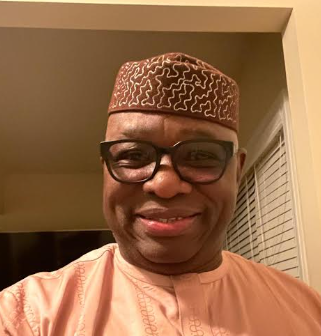
By Boluwatife Adeyefa President Bola Tinubu’s economic reforms have recorded measurable gains in macroeconomic stability, infrastructure development and revenue mobilisation, but millions of Nigerians are yet to feel their impact, a United States-based Nigerian businessman, Dr Atilade Oshoniyi, has said. Oshoniyi, founder and Chief Executive Officer of Green Light Drivers Ed & DUI School LLC, in this interview, examines the administration’s performance since assuming office in 2023, particularly its controversial removal of petrol subsidy and foreign exchange reforms.
While acknowledging that Tinubu inherited an economy burdened by debt, weak revenue and structural challenges, he argues that the administration cannot use inherited problems to excuse policy failures or the worsening hardship confronting citizens. Could we say President Tinubu inherited the economic crisis his administration is dealing with, or did his reforms and policies create hardships?
Mr President inherited an economy burdened by substantial public debt, rising debt-service obligations, an expensive petrol subsidy regime, multiple exchange-rate windows, weak revenue mobilisation, infrastructure deficits and declining investor confidence. However, acknowledging inherited problems should not become an excuse for every subsequent failure.
Every administration must be judged by the condition of the country it inherited and the decisions it subsequently made. Tinubu’s decisions to remove petrol subsidy and liberalise the foreign exchange market addressed longstanding structural weaknesses but also produced immediate economic shocks. The question is whether the transition has been managed effectively and whether Nigerians are beginning to enjoy the benefits of the sacrifices demanded of them.
Could there have been an alternative to petrol subsidy removal and foreign exchange reforms, which worsened the economic situation? There is a distinction between the necessity of reform and the manner of implementation. Successive governments recognised that petrol subsidy was unsustainable, while multiple exchange rates encouraged arbitrage and discouraged productive investment.
The IMF’s June 2026 assessment acknowledged that the reforms improved macroeconomic stability and strengthened external buffers. However, it estimated that poverty had reached 63 per cent of the population under Nigeria’s national poverty line, while about 27 million Nigerians experienced food insecurity in autumn 2025. The government could have prioritised timely cash transfers, public transportation, targeted food support, affordable healthcare and protection for small businesses.
Reform must demonstrate that its eventual benefits outweigh the sacrifices and that vulnerable Nigerians are not abandoned. What would you say are the achievements of the incumbent administration against the opposition’s argument that he has done nothing? The claim that the administration has done absolutely nothing does not reflect its documented record.
The government has undertaken economic restructuring through subsidy removal, foreign exchange reforms, revenue changes and a new tax framework. The Nigerian Education Loan Fund has expanded financing opportunities for students in public tertiary institutions. In infrastructure, major projects include the Lagos-Calabar Coastal Highway, Sokoto-Badagry Super Highway and Abuja-Kaduna-Zaria-Kano road.
The Presidency reported that more than 2,700 kilometres of highways and major roads were under construction, reconstruction or rehabilitation as of May 2026. The Electricity Act 2023 has opened opportunities for states to participate in electricity generation, transmission and distribution. Other interventions include agricultural mechanisation, fertiliser support, healthcare, CNG transportation and the ₦70,000 national minimum wage.
These are identifiable actions, but their scale, completion and impact must be independently assessed. Announcements are not completed projects. As a businessman in the Diaspora, what do institutions such as the IMF and World Bank say about the administration’s performance? Their assessments provide an external perspective on the reforms. The IMF’s June 2026 Article IV assessment acknowledged improvements in macroeconomic stability, external buffers and foreign exchange market functioning.
It estimated economic growth at four per cent in 2025 and projected 4.1 per cent for 2026. The World Bank’s October 2026 Nigeria Development Update reported that the economy grew by 4.2 per cent in the first half of 2026, compared with 3.9 per cent in the corresponding period of 2025. Nigeria’s removal from the Financial Action Task Force grey list in October 2025 was another significant development in its financial integrity framework.
However, neither institution has declared that Nigeria’s economic problems have been solved. The IMF continues to highlight poverty, food insecurity and insecurity. The World Bank has also emphasised the nee
- tinubu
- nigerians
- reform
- impact
- oshoniyi
- administration
- subsidy
- exchange