State seeks ODPC action against entities exploiting children’s images for fundraising
The State Department for Children Services says it will work with the Office of the Data Protection Commissioner (ODPC), law enforcement agencies, the National Council for Children’s Services and civil society organisations to address violations of children’s privacy and rights. In a press statement issued on Tuesday, Principal Secretary Carren Agenjo said the department would intensify public awareness, promote compliance with existing laws and encourage organisations involved in charitable activities to adopt child safeguarding policies.
NAIROBI, Kenya, Nov 18 — The government is moving to strengthen safeguards against the unauthorised use of children’s photographs, videos and personal information in online fundraising, warning individuals and organisations against exposing vulnerable children for publicity or financial gain. The State Department for Children Services says it will work with the Office of the Data Protection Commissioner (ODPC), law enforcement agencies, the National Council for Children’s Services and civil society organisations to address violations of children’s privacy and rights.
In a press statement issued on Tuesday, Principal Secretary Carren Agenjo said the department would intensify public awareness, promote compliance with existing laws and encourage organisations involved in charitable activities to adopt child safeguarding policies. “The State Department therefore calls upon individuals, organisations, content creators and other stakeholders to stop the unauthorised taking, sharing and publication of children’s images and personal information, particularly for fundraising and publicity purposes,” Agenjo said.
The advisory follows growing public concern over the use of children’s photographs, videos and personal stories on social media to solicit donations and attract public attention. While acknowledging the role of well-wishers and organisations supporting vulnerable children and families, the department warned that charitable activities must not compromise children’s safety, privacy and dignity.
“A child’s vulnerability should never be used for publicity, fundraising or personal gain at the expense of their privacy and dignity,” the statement said. Government outlines safeguards As part of its response, the department plans to strengthen collaboration with relevant agencies, promote reporting and appropriate handling of violations, and encourage organisations and development partners to establish policies protecting children’s identities and personal information.
It has also outlined safeguards for individuals, charities, influencers and content creators, including obtaining informed consent from parents or legal guardians before collecting and processing children’s personal data. However, the department cautioned that parental consent does not automatically justify publishing a child’s photograph or personal information where such exposure could compromise their safety, dignity or best interests.
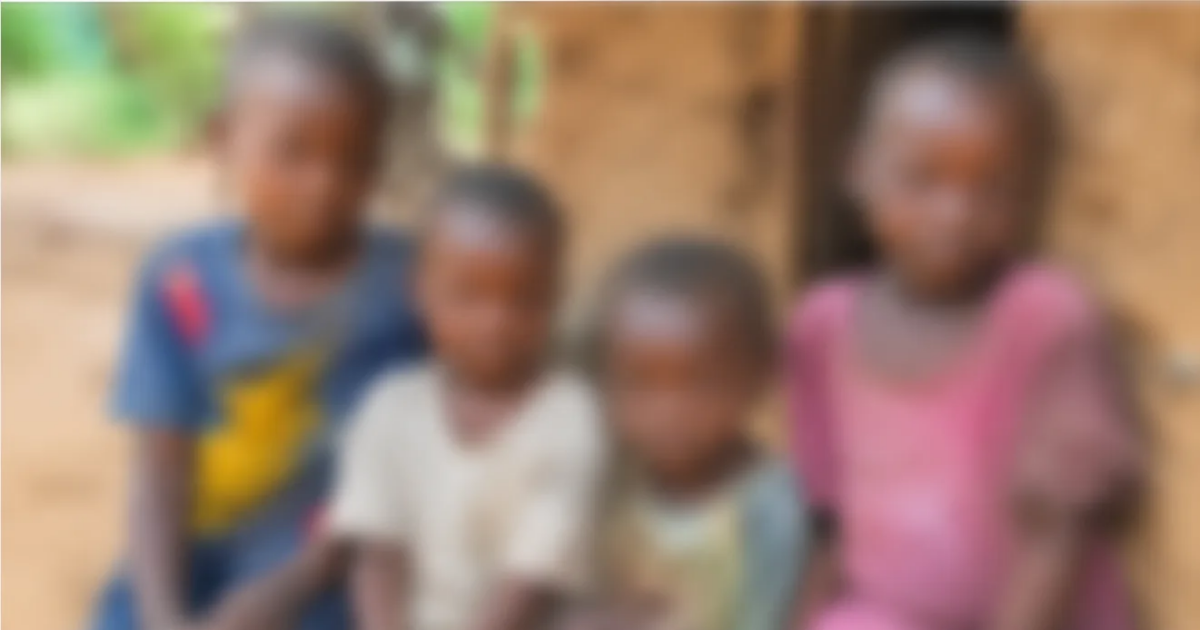
It recommended privacy-protecting measures such as blurred faces, anonymised stories and non-identifying images where publicity is necessary and lawful. Organisations working with children were also urged to establish clear procedures for handling complaints and ensure personal information is collected and used only for legitimate purposes. Legal protections The department cited Article 53(2) of the Constitution, which makes the best interests of the child paramount in every matter concerning them.
Section 27 of the Children Act, 2022 protects children against arbitrary or unlawful interference with their privacy, family and private affairs, honour and reputation. Section 33 of the Data Protection Act, 2019 provides safeguards for processing children’s personal data, requiring parental or guardian consent and protection of the child’s rights and best interests.
The department also cited Section 220 of the Children Act, which protects the identities of children in conflict with the law during arrest, investigations and court proceedings. Violations attract a fine of up to Sh500,000, imprisonment for up to 12 months, or both. Members of the public have been urged to report children in need of care and protection to the nearest Sub-County Children’s Office or through Child Helpline 116.
“Children should receive assistance without having their privacy, dignity and personal circumstances exposed to the public,” the department said.
- child
- children
- department
- fundraising
- organisation
- state
- privacy
- information


