Minority doubts $10bn New Economy plan, questions job creation strategy

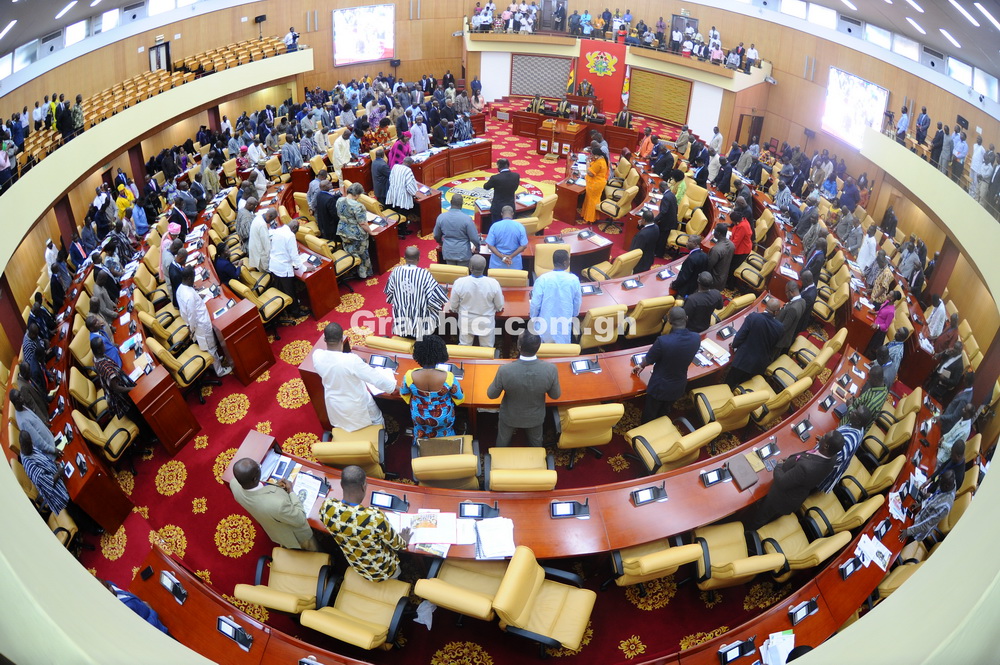
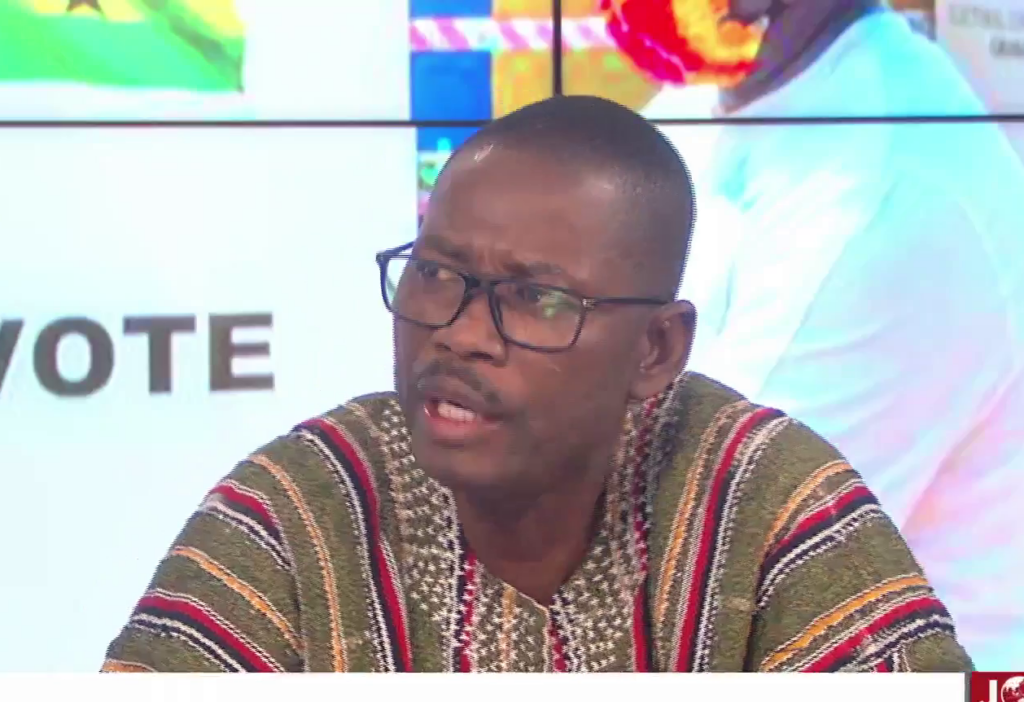
Minority Leader Alexander Afenyo-Markin raised the concerns at a media briefing on Tuesday, November 17, arguing that the government’s job creation promises were not matched by a clear strategy for private sector growth. His criticism follows the presentation of the 2027 Budget Statement and Economic Policy by Finance Minister Dr Cassiel Ato Forson to Parliament on November 12.
The Minority in Parliament has challenged the government to move beyond ambitious economic announcements and demonstrate how its proposed US$10 billion New Economy programme will generate lasting employment and strengthen Ghanaian businesses.
It says the initiative, unveiled in the 2027 Budget, lacks a convincing implementation roadmap and risks becoming another political catchphrase if the government cannot show how the investment will reach businesses and create jobs.
Minority Leader Alexander Afenyo-Markin raised the concerns at a media briefing on Tuesday, November 17, arguing that the government's job creation promises were not matched by a clear strategy for private sector growth.
He accused the governing National Democratic Congress (NDC) of relying on slogans rather than explaining the practical steps through which its policies would improve employment opportunities.
“As political leaders, we often talk about job creation. We end up making it a mere slogan, like it is happening today in the National Democratic Congress administration,” he said.
Mr Afenyo-Markin also questioned the government's ability to communicate the substance of its flagship economic initiatives, recalling what he described as confusion surrounding the 24-hour economy policy.
“They promised a 24-hour economy. They themselves could not properly explain the concepts, and now they claim that there’s a New Economy,” he stated.
He said attracting foreign investment was important, but argued that a stronger emphasis should be placed on developing indigenous enterprises capable of expanding production and employing more people.
“It is good to attract investors, but it is better to grow your own,” he said.
The Minority Leader was particularly critical of what he considered the government's failure to create an enabling environment for private businesses to grow, insisting that the New Economy programme had yet to inspire confidence.
“I don’t see this government being serious about creating jobs through the private sector. It’s another sloganeering game they are playing,” he said.
He said the policy direction being presented by the government appeared disconnected from the difficulties facing entrepreneurs, leaving businesses uncertain about the support and incentives available to them.
“So it tells you that there is some policy mismatch. What is being said on paper is different from what the ordinary entrepreneur is experiencing,” he said.
Mr Afenyo-Markin added that without predictable policies and clear implementation arrangements, local businesses would struggle to make investment decisions or plan for expansion.
“So there is nothing to tap into, nothing to rely on as the basis for your investment. So that is also a problem,” he added.
His criticism follows the presentation of the 2027 Budget Statement and Economic Policy by Finance Minister Dr Cassiel Ato Forson to Parliament on November 12.
The Finance Minister outlined a four-year, US$10 billion New Economy programme as part of the government's plan to transform the economy, support priority sectors and create employment.
The Minority's challenge places the focus on how the proposed investment will be deployed, the role local businesses will play and the extent to which the programme can deliver measurable jobs rather than remain a headline commitment.
- economy
- job
- minority
- government
- plan
- creation
- business
- policy