Lula holds off far right with victory in Brazil presidential election

Leftist president mounts stunning comeback after unexpected first round loss galvanised supporters of Flavio Bolsonaro.
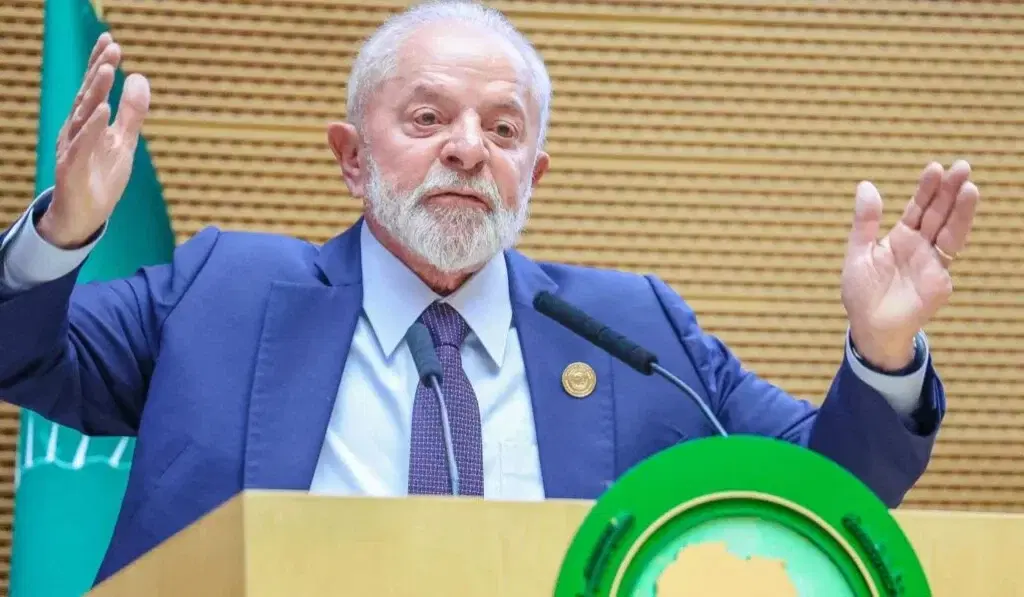
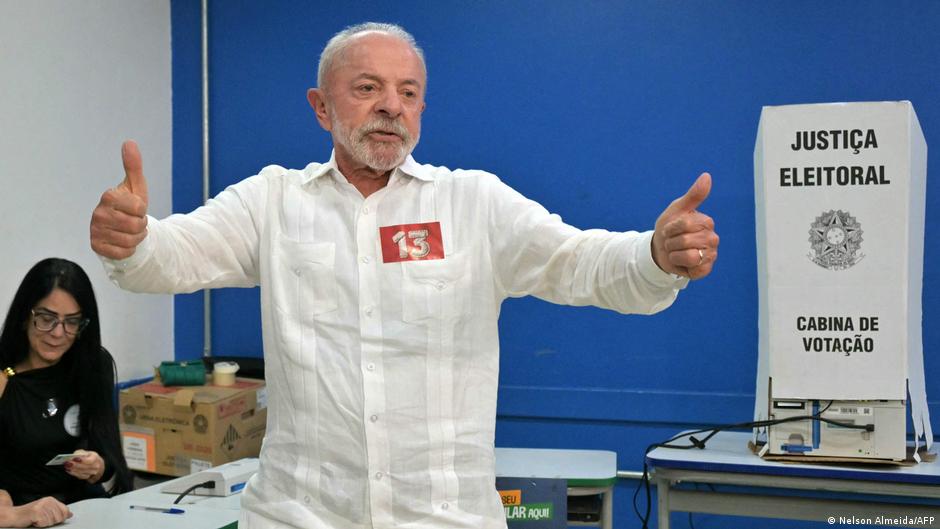
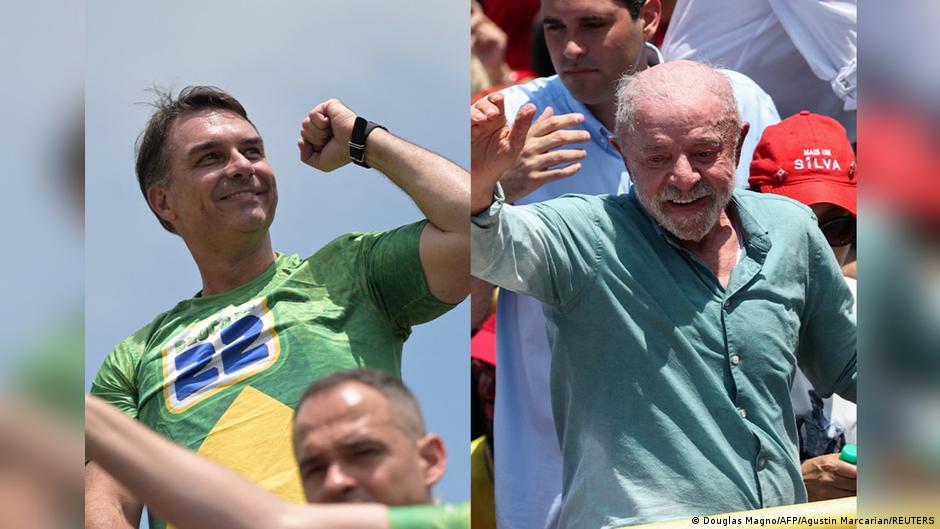
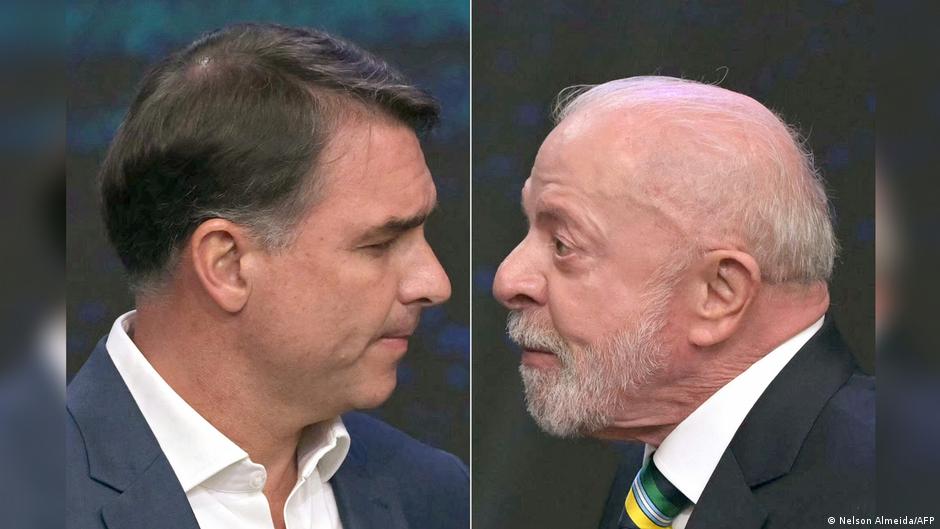
Leftist President Luiz Inacio Lula da Silva has defeated right-wing Senator Flavio Bolsonaro in Brazil’s contentious presidential race, pulling off a remarkable comeback after a first-round loss that galvanised the country’s political right.
At about 9:13pm Brasilia time (00:13 GMT), Brazil’s Superior Electoral Court called the race for Lula, who had earned more than 51 percent of the vote. More than 64 million ballots were cast for the incumbent.
Bolsonaro, meanwhile, netted 48 percent, or north of 59 million ballots. Just over 2.6 million votes separated the two candidates.
With his victory, Lula has made history. No other politician in modern Brazilian history has lost the first round of a presidential election only to win the second round.
Still, the vote process was marred by allegations of voter suppression after reports emerged that public transport in some areas had been suspended.
Lula’s allies accused Bolsonaro’s supporters of reducing transport to dampen the president’s working-class base.
Heavy rains, meanwhile, affected southern areas considered to be Bolsonaro strongholds.
The campaigns of both Lula and Bolsonaro ultimately petitioned the Supreme Court for a voting extension. Polls across the country were kept open two hours later than expected, until 7pm Brasilia time (22:00 GMT).
Sunday’s victory means Lula will retain the presidency of Latin America’s largest country, denying a crucial victory to the region’s right wing.
In recent years, right-wing leaders have swept presidential races in nearby countries like Peru, Colombia, Argentina, Bolivia and Ecuador. Many have ridden a wave of anti-incumbent energy and enjoyed support from United States President Donald Trump, who returned to office in January 2025.
A former union leader for metalworkers, Lula – at age 80 – will be sworn in on January 5, 2027, when he will beat his own record as the oldest Brazilian president to take the oath of office since the country’s return to democracy.
His victory has earned him an unprecedented fourth non-consecutive term.
Lula came into Sunday’s run-off as an underdog. While he narrowly led pre-election, the first round of voting on October 4 showed him trailing Bolsonaro.
He earned 45 percent of the first-round vote, compared with the right-wing senator’s 47 percent, both tallies short of the 50 percent needed to avoid a run-off.
But in the weeks since, Lula has rallied supporters around cost-of-living issues. He championed a constitutional amendment passed this month that shortened the Brazilian workweek, and floated the possibility of providing free public transport on weekends.
Having entered politics in the 1980s, during the twilight of the country’s military dictatorship, Lula has run for president seven times.
He won two consecutive terms from 2002 through 2010, as well as a third term in 2022, in what was the tightest race in modern Brazilian history up to that point.
His rival in that election, former far-right President Jair Bolsonaro, is the father of Senator Bolsonaro, Lula’s adversary in this race.
Jair Bolsonaro has since been sentenced to 27 years in prison for his role in plotting a coup following his loss to Lula.
Despite overseeing a decline in poverty and low unemployment during his third term in office, Lula has faced questions about his age, his ability to combat crime, and the country’s polarised political landscape.
An explosion of household debt has also left many Brazilians feeling their economic circumstances have worsened.
In September, Lula banned online gambling and sport betting apps to address the issue.
While the victory over Bolsonaro cements Lula’s status as one of the most significant and influential figures in Brazil’s modern history, efforts to advance legislative priorities during his fourth term could be stymied by the most right-wing Congress in recent memory.
- lula
- victory
- brazil
- election
- president
- comeback
- loss
- supporter