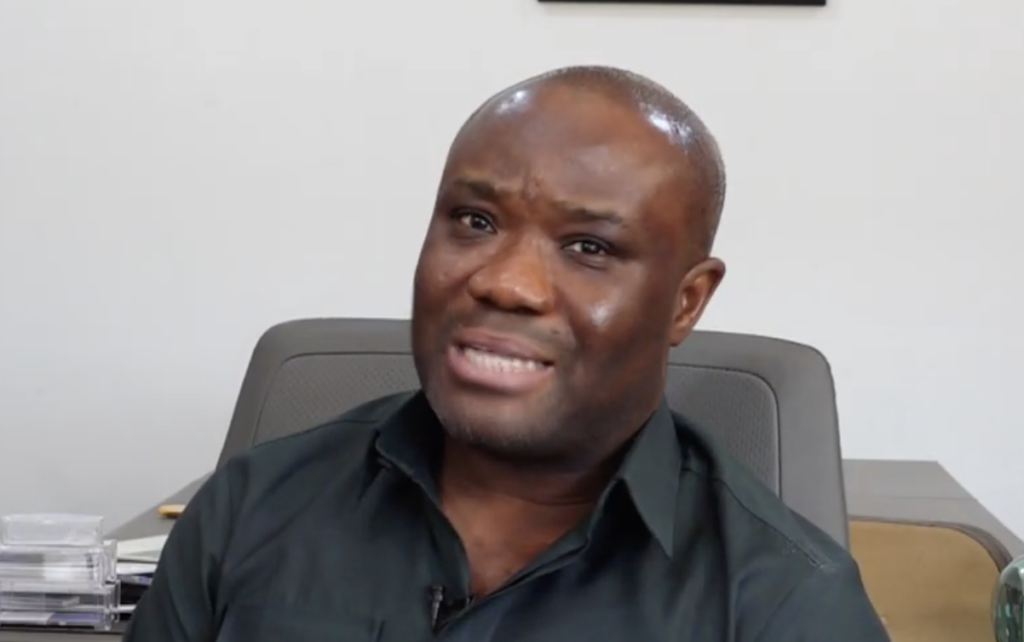
24-hour Economy: 33 manufacturers, 12 SOEs and 12 OMCs in operation – Kwakye Ofosu

He said the 33 manufacturing firms, all members of the Association of Ghana Industries (AGI), had registered with the 24-hour Economy Secretariat and were running multiple shifts. Mr Kwakye Ofosu told the House that 12 state-owned enterprises (SOEs) had similarly moved to 24-hour operations, with some reporting additional recruitment as a result.
The government says its 24-hour Economy programme has attracted 33 manufacturing companies, 12 oil marketing companies and 12 state-owned enterprises, with some public institutions reporting significant increases in employment since extending their operations beyond regular working hours.
Minister in charge of Government Communications, Felix Kwakye Ofosu, disclosed this in Parliament during debate on the 2027 Budget Statement and Economic Policy, saying the participating businesses and institutions had begun operating round-the-clock shifts under the initiative.
He said the 33 manufacturing firms, all members of the Association of Ghana Industries (AGI), had registered with the 24-hour Economy Secretariat and were running multiple shifts.
The oil marketing companies on the programme, he added, controlled a combined 247 retail outlets, while 13 depots and refineries had also adopted round-the-clock operations.
Mr Kwakye Ofosu told the House that 12 state-owned enterprises (SOEs) had similarly moved to 24-hour operations, with some reporting additional recruitment as a result.
He cited the Driver and Vehicle Licensing Authority (DVLA), which he said had employed 1,758 people since introducing its extended services in 2025.
The Ghana Ports and Harbours Authority (GPHA) had also recruited 1,400 workers, while the Ghana Airports Company Limited had added 334 employees. The Ghana Investment Promotion Centre (GIPC), he said, had taken on 95 people.
The Minister further pointed to the Ghana Publishing Company Limited, where the programme had helped preserve 100 jobs that were at risk because of excess staffing under the company's previous operating arrangements.
“The Ghana Publishing Company Limited should have sent home 100 people because they were over-staffed in their old operations. Because of the 24-hour economy programme, they are able to retain those 100 people,” he said.
Mr Kwakye Ofosu presented the figures as evidence that the initiative was moving beyond policy announcements and attracting participation from businesses and public institutions.
His account came after the Minority demanded greater clarity on the programme's implementation and the extent to which it was delivering jobs and expanding economic activity.
He also outlined incentives being offered to participating businesses, including deferred duty payments for companies importing machinery directly linked to the programme.
The 24-hour Economy initiative is a flagship government policy intended to encourage businesses to operate in multiple shifts, increase the use of production facilities, expand access to services and create employment.
The latest figures provide an indication of the institutions that have signed on, although the overall impact of the programme will depend on whether the expanded operations translate into sustained jobs, higher output and improved productivity.
- hour
- operation
- economy
- kwakye
- ofosu
- company
- programme
- ghana