IET-Ghana urges government to involve engineers in major national projects

The President of the Institution of Engineering and Technology Ghana (IET-GH), Engr. He urged the Council to take the 2025 Global Engineering Capacity Review seriously and implement measures to improve Ghana’s standing in regional and global engineering assessments.
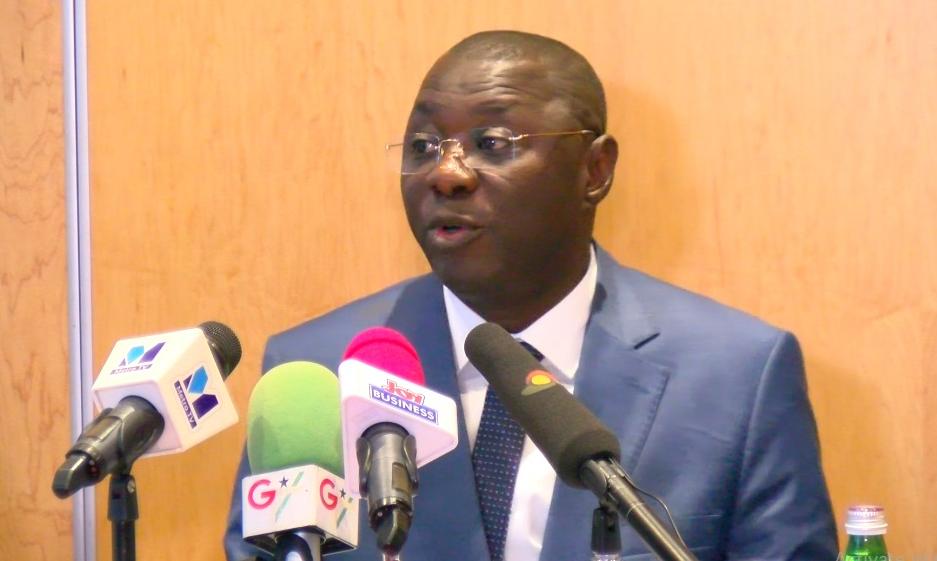
The President of the Institution of Engineering and Technology Ghana (IET-GH), Engr. Wonder Davor, has urged the government to actively involve local engineers in major infrastructure and development projects to ensure sustainable outcomes.
He said Ghana had the technical expertise and human resources needed to support national development but called for greater collaboration between government and engineering professionals in the planning and execution of projects.
Speaking at the institution’s 40th Annual General Conference and Induction Ceremony, held under the theme, “Engineering Excellence for Sustainable National Development: Innovation, Technology and Professional Responsibility”, Engr. Davor said engineers should not be limited to attending conferences and discussions but must be given opportunities to contribute directly to national projects.
He called on the government to engage members of the institution in key sectors, including affordable housing, electricity, petroleum, mechanical engineering, biomedical engineering and road infrastructure.
“We at IET-GH have the ready manpower Ghana needs. Engage us practically in your affordable housing projects, electricity installations, petroleum, mechanical, biomedical and other projects, including the Big Push roads project,” he said.
He stressed that involving engineers in the implementation of national projects would help ensure that infrastructure was designed and delivered with the necessary technical expertise, innovation and professional standards.
“Don’t just invite us to conferences, but get us involved for sustainable solutions,” he urged.
Engr. Davor also called on the Engineering Council to strengthen regulation of the profession and take decisive action against people practising engineering without the required licences.
He said Ghana needed to improve its engineering standards and professional assessment systems to bridge the gap between the country and other jurisdictions, while ensuring public safety.
He urged the Council to take the 2025 Global Engineering Capacity Review seriously and implement measures to improve Ghana’s standing in regional and global engineering assessments.
According to him, strengthening regulation was necessary to make Ghana a safe and effective environment for engineering practice.
He further called for sanctions against illegal engineering practice and urged the Council to expedite the enforcement of laws governing the profession, including prosecuting individuals who practised engineering without licences.
He said strict enforcement of the law would help protect the public from unsafe engineering works and promote accountability among professionals.
The IET-GH President also appealed to members of the institution to uphold high ethical standards and prioritise workplace safety in their professional activities.
He urged engineers to consistently use personal protective equipment (PPE), enforce professional codes of practice and take responsibility for mentoring younger professionals.
He said maintaining discipline, ethical conduct and safety standards was essential to protecting lives and ensuring the quality of engineering projects.
Engr. Davor called on experienced professionals to guide younger engineers and help develop the next generation of practitioners capable of meeting the country’s development needs.
The call for greater professional involvement in national projects amid concerns about political interference, contractor capacity and poor project delivery.
The Minister for Works and Housing, Ahmed Ibrahim, who also addressed the conference, warned against politically influenced contract awards, saying government projects must be given to contractors with the technical and financial capacity to complete them.
He cited challenges associated with previous infrastructure projects, including the Agenda 111 hospitals and E-blocks, and said political considerations should not take precedence over competence.
Mr Ibrahim said he had introduced a no-mobilisation-payment policy for contractors under the 24-hour economy markets initiative to ensure payments were tied to actual progress on projects.
“If you lay the foundation, we will pay you. If you don’t go to the site, we will cancel it and give it to a new contractor,” he said.
He also criticised practices in the construction industry where building owners dictate the quantity of materials to be used, warning that compromising professional standards could contribute to building collapses.
The Minister urged engineers to take greater responsibility for ensuring that projects met approved specifications and safety standards.
The conference brought together engineering professionals and stakeholders to discuss the role of innovation, technology, professional responsibility and engineering expertise in Ghana’s sustainable development.
- engineering
- project
- government
- ghana
- engineer
- professional
- iet
- institution