Positioning Nigerian oil sector amid Mid-East ruptures
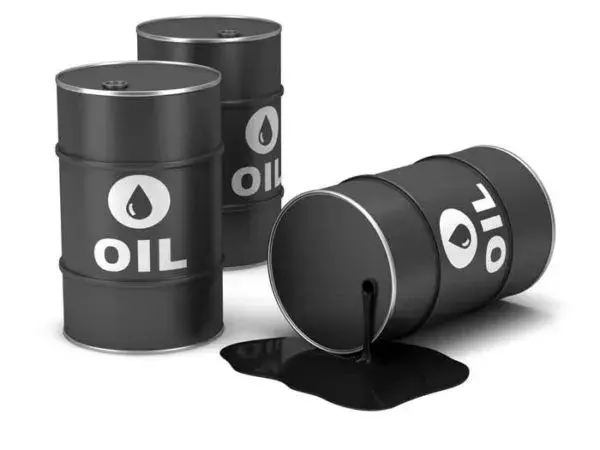
The Federal Government’s announcement of $21 billion in prospective foreign investment commitments for Nigeria’s oil and gas industry presents an opportunity the country must not squander. Nigeria offers an Atlantic-facing alternative, away from the Gulf’s immediate flashpoints.
The Federal Government’s announcement of $21 billion in prospective foreign investment commitments for Nigeria’s oil and gas industry presents an opportunity the country must not squander. Minister of State for Petroleum Resources (Oil), Heineken Lokpobiri, disclosed the development on 9th November, 2026, following engagements at the Abu Dhabi International Petroleum Exhibition and Conference (ADIPEC).
ADIPEC, an annual event held from 2nd to 5th November, is a major global energy exhibition and conference bringing governments, oil companies, investors, financiers and technology providers together to discuss energy security, innovation and investment opportunities. Its 2026 edition attracted about 240,000 participants from 170 countries and recorded thousands of agreements valued at $67 billion.
Nigeria’s $21 billion comprises two non-binding memoranda of understanding: one investor group indicated willingness to mobilise $15 billion, another $6 billion. Their identities, nationalities and proposed Nigerian partners remain undisclosed. Neither the projects nor the division between exploration, production, gas and infrastructure has been specified.
These are expressions of interest, not funds received or projects at final investment decision. The Government must turn them into bankable agreements. The attraction is understandable. Middle Eastern wars, rivalries and threats around the Strait of Hormuz, Suez Canal and Bab el Mandeb Strait expose global supply to geopolitical coercion. In 2025, about 20 million barrels of oil daily, roughly a fifth of global petroleum liquids consumption, passed through the Hormuz chokepoint.
Disruption can raise shipping, insurance and energy costs worldwide. Investors therefore need geographically diversified production. Nigeria offers an Atlantic-facing alternative, away from the Gulf’s immediate flashpoints. Our attractions are substantial: 37.01 billion barrels of oil and condensate and 215.19 trillion cubic feet of gas, according to NUPRC’s January 2026 reserves estimate.
Yet October crude production averaged only 1.51 million barrels daily, excluding condensates. The 2026 licensing round, offering 40 blocks, is another opportunity to attract exploration capital. But investors will not overlook oil theft, pipeline vandalism, insecurity, community disputes, spills, gas flaring, opaque contracts, corruption, multiple taxation, costly logistics and regulatory delays.
The Petroleum Industry Act (PIA) must be implemented consistently, while fiscal terms, royalties, host-community obligations and contracting procedures are periodically reviewed. Reforms must offer predictability without surrendering Nigeria’s fair share. The government should disclose the investors when commercially permissible, publish project milestones, insist on beneficial-ownership transparency and report actual disbursements, jobs and production additions.
It must strengthen security, clean up polluted communities, expand pipelines and processing and protect local-content participation. Nigeria’s stability and Atlantic location can diversify global supply, moderate dependence on vulnerable routes and provide reliable oil and gas to international markets. Domestic gains include foreign exchange, public revenue, electricity, manufacturing and employment.
This is not an argument for exploiting conflict, but for offering dependable supply. We must convert promises into investment, reserves into production and petroleum wealth into all-inclusive prosperity.
- oil
- nigeria
- gas
- petroleum
- investor
- production
- government
- investment


