UK launches Africa investment platform in Kenya to help businesses grow and create jobs
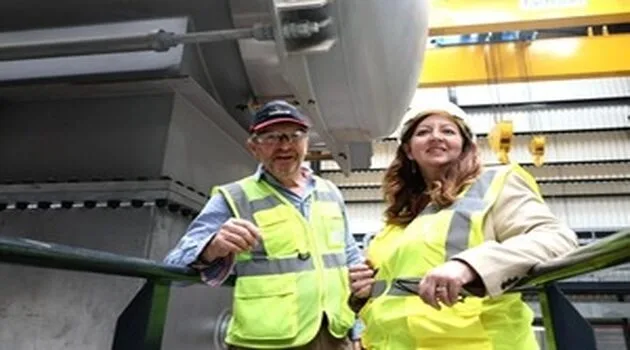
NAIROBI, Kenya Nov 20 – The UK has launched a new pan-African investment platform in Kenya to help promising businesses attract investors, scale up and create jobs. UK Minister for Africa Kirsty McNeill announced Forge Africa, a UK-created platform backed by £40 million in investment, during a visit to Octavia Carbon’s Project Hummingbird in Gilgil.
NAIROBI, Kenya Nov 20 – The UK has launched a new pan-African investment platform in Kenya to help promising businesses attract investors, scale up and create jobs.
UK Minister for Africa Kirsty McNeill announced Forge Africa, a UK-created platform backed by £40 million in investment, during a visit to Octavia Carbon’s Project Hummingbird in Gilgil.
The platform will initially launch in Kenya before expanding across Africa and aims to support 100 promising businesses by connecting them with investors willing to provide long-term financing.
Forge Africa is intended to address a funding gap facing ambitious businesses seeking to expand, with the UK saying it will help firms attract investment and create quality jobs.
McNeill said Africa had talented entrepreneurs with the potential to compete in regional and global markets but many struggled to secure the financing and support needed to grow.
“Forge Africa will help close that gap. Starting here in Kenya, it will help promising businesses like Octavia Carbon find investors and create quality jobs,” she said.
She said the initiative reflected the UK-Kenya partnership, with British investment and expertise supporting Kenyan innovation and enterprise.
Octavia Carbon uses geothermal energy from the Rift Valley to remove carbon dioxide from the atmosphere and store it underground. Early UK support helped the company raise about US$10 million and create more than 100 skilled jobs.
In Nairobi, McNeill also launched the next phase of the Kenya Catalytic Jobs Fund, which links researchers, entrepreneurs, investors, industry and government to turn innovations into businesses.
The new phase will support more than 30 ventures in technology, artificial intelligence, biosciences and women-led technology businesses.
By March 2029, the fund aims to mobilise £50 million in financing for more than 500 start-ups.
British High Commissioner to Kenya Matt Baugh said the initiatives would help businesses move from research and development to commercialisation and expansion.
“Forge Africa and the Kenya Catalytic Jobs Fund will help them take the next step, from the lab to the market, and from start-up to scale-up,” Baugh said.
The first phase of the Kenya Catalytic Jobs Fund supported 19 Kenyan firms, helped create 145,000 direct and indirect jobs and secured an additional £4 million in investment.
The next phase will be led by ISAAA AfriCenter and the Mawazo Institute, alongside partners including Imperial College London, the University of Oxford’s AfOx initiative, BioInnovate Africa and NaiBAN.
During her visit to the Rift Valley, McNeill also toured the UK-backed Globeleq geothermal plant at Menengai, where steam from underground is used to generate electricity and support skilled employment.
Kenya is Africa’s largest producer of geothermal energy, with more than 90% of its electricity coming from renewable sources, according to the statement.
The UK said the Menengai geothermal project and Octavia Carbon demonstrate how the Rift Valley’s natural resources can support clean energy, new industries, skilled employment and efforts to reduce carbon emissions.
In Nairobi, McNeill is also scheduled to meet university students, hear about Kenya’s preparedness and response to the Ebola outbreak in the Democratic Republic of Congo, and attend the King’s Birthday Party.
UK-Kenya trade is valued at £2.1 billion annually, while more than 150 British-linked companies support over 250,000 jobs in Kenya.
The initiatives form part of the UK-Kenya Strategic Partnership for 2025-2030, signed in July 2025, which focuses on growth, climate, science and technology, security and migration.
Bruhan Makong is a Senior News Reporter for Capital FM in Nairobi, covering diplomacy, foreign policy, national security, climate, and human rights across East Africa and the wider region.
- kenya
- africa
- investment
- platform
- business
- job
- carbon
- jobs