Duale: Kenya could be declared Ebola-free after 42 days
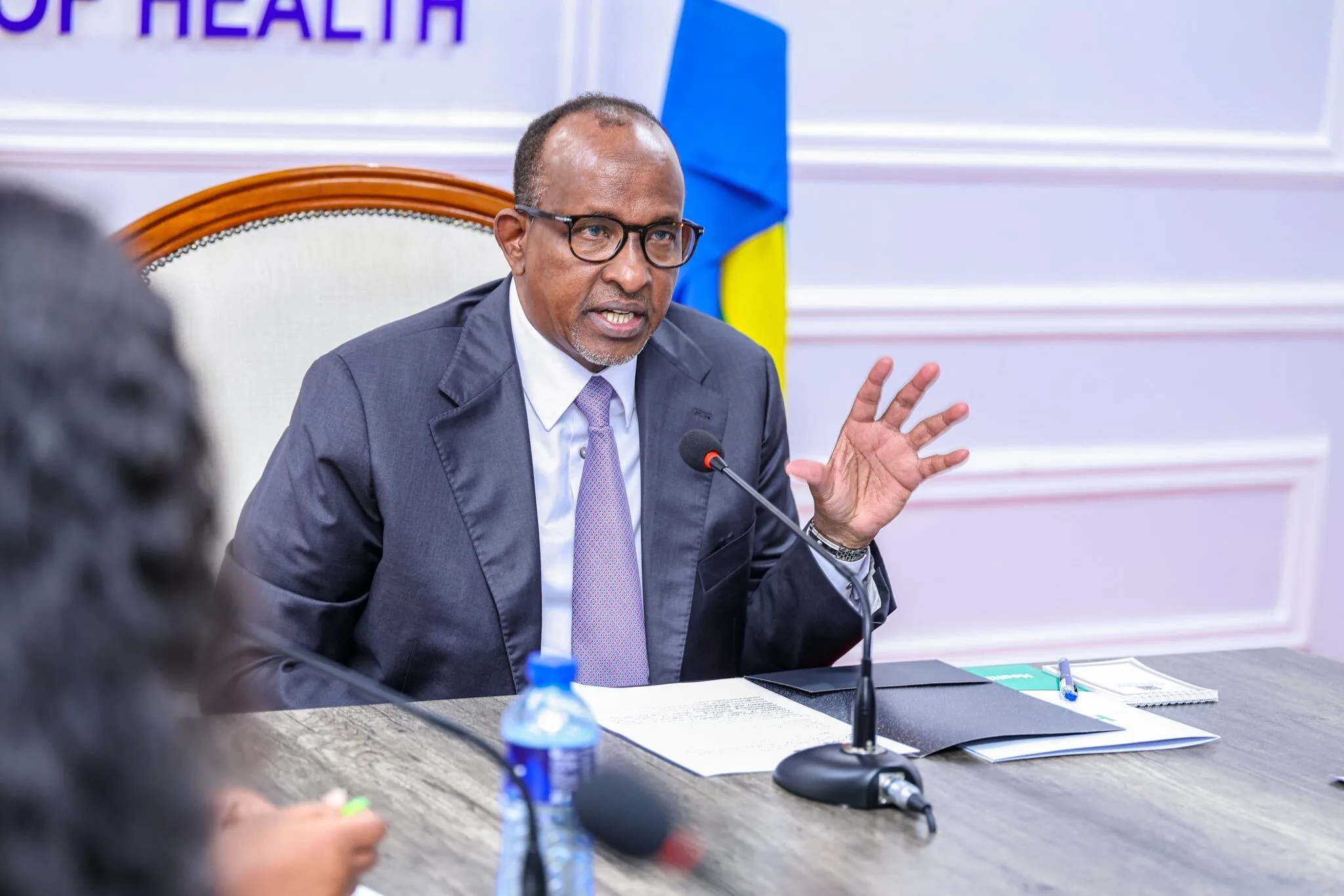
NAIROBI, Kenya Oct 26 – Health Cabinet Secretary Aden Duale says Kenya could be declared free of Ebola after completing 42 consecutive days without a new case, as health authorities intensify surveillance and prepare to release contacts who have completed the mandatory monitoring period. The assurance comes as Kenya continues to respond to an outbreak of Bundibugyo virus disease, a form of Ebola, following an imported case involving a Kenyan who had travelled from the Democratic Republic of Congo through Uganda before arriving in Nairobi.
NAIROBI, Kenya Oct 26 – Health Cabinet Secretary Aden Duale says Kenya could be declared free of Ebola after completing 42 consecutive days without a new case, as health authorities intensify surveillance and prepare to release contacts who have completed the mandatory monitoring period.
Duale said the countdown was based on World Health Organization (WHO) protocols and would depend on the country recording no further infections and meeting the requirements for formally ending the outbreak.
Speaking during Citizen TV’s Sunday Live programme, the CS said the government had traced all identified contacts linked to the outbreak and was conducting regular tests to detect possible infections.
“Once we have 42 days and we have nobody, Kenya will be declared Ebola-free,” Duale said.
He said the government had achieved a 100 per cent contact-tracing rate, exceeding the 85 per cent benchmark he cited for the exercise, and maintained that the infections detected so far had been linked to known contacts rather than unidentified transmission in the wider community.
The assurance comes as Kenya continues to respond to an outbreak of Bundibugyo virus disease, a form of Ebola, following an imported case involving a Kenyan who had travelled from the Democratic Republic of Congo through Uganda before arriving in Nairobi.
The initial patient died on October 5, with laboratory confirmation of the infection announced the following day. Subsequent infections were detected among people who had been in contact with him, including family members and healthcare workers.
The WHO reported nine confirmed cases in Kenya, including one death, as of October 20. The eight subsequent cases were epidemiologically linked to the initial patient, with no evidence of wider community transmission reported at that time. <Cite refs={[“turn755850search2″,”turn755850search7”]}/>
Duale said people who had completed the mandatory 21-day monitoring period were undergoing final tests and clinical assessments to determine whether they could safely return home.
The incubation period for Ebola ranges from two to 21 days, making the monitoring period essential for identifying people who may develop symptoms after exposure.
The CS said those who completed the required period without developing symptoms would be assessed by health officials, with negative test results and clinical clearance informing decisions on their release.
“If tomorrow they are negative, the Director General will do the clinical analysis, will do all the protocols, and they’ll be safe to go and join their families,” he said.
The government has maintained that contacts must complete the prescribed monitoring period and follow health officials’ instructions before being cleared.
Duale also said health facilities continued to test people presenting with suspected symptoms, including cases whose initial signs could resemble other illnesses such as malaria.
He reported that nearly 551 people had been tested in the preceding 48 hours, with all the samples returning negative results.
The CS said the last positive case had been recorded on October 19, adding that continued negative results and the recovery of patients receiving treatment would be important in determining whether Kenya could meet the conditions for ending the outbreak.
However, the absence of new positive tests over a short period does not by itself mean the outbreak has ended. Under WHO guidance, the 42-day countdown is tied to the last confirmed case testing negative twice and being discharged, or other specified circumstances involving the last case.
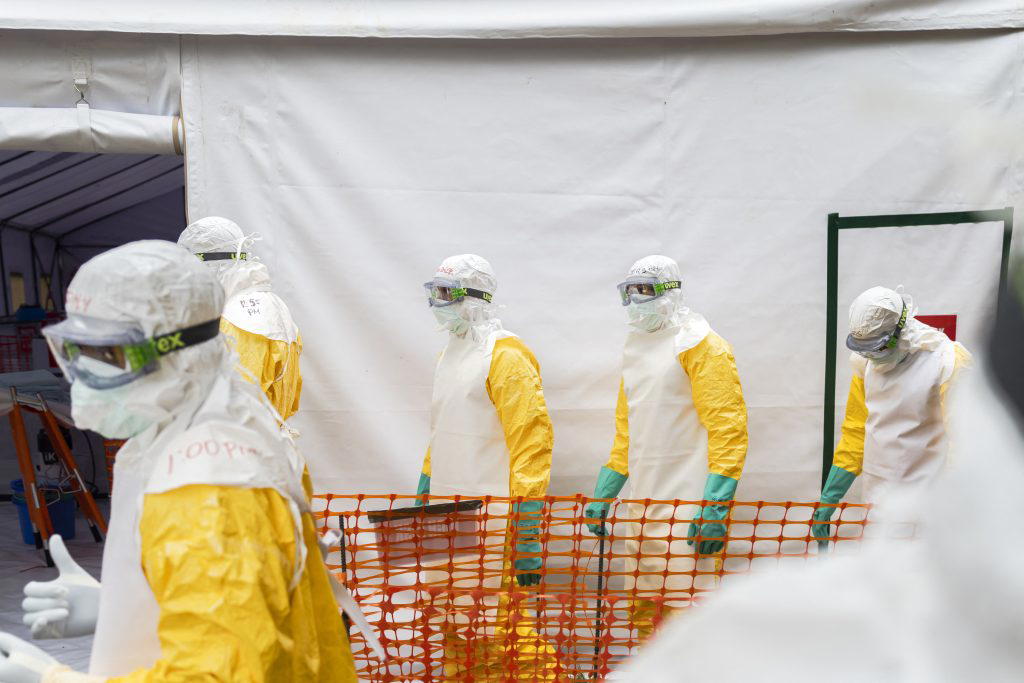
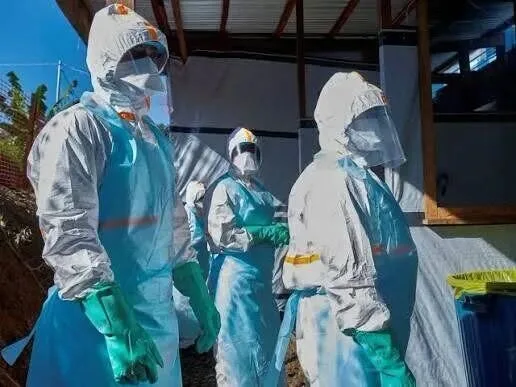
Duale said Kenya had strengthened its capacity to identify, isolate and manage suspected Ebola cases, with more than 26 high-risk counties equipped with protective gear and other response supplies.
He cited 21 isolation intensive care unit beds, 4,900 healthcare workers trained to respond to Ebola and 342 first responders deployed as part of the country’s preparedness arrangements.
The country also had five laboratory facilities, including two mobile laboratories, which he said would enable samples from patients in isolation to be tested without having to transport them to general hospital laboratories.
The measures are intended to improve the speed of diagnosis, reduce the risk of exposure among healthcare workers and limit the possibility of further transmission.
Duale thanked the WHO and the United States government, including the US Centers for Disease Control and Prevention, the US Embassy and the State Department, for supporting Kenya’s response.
He also addressed concerns over healthcare workers’ access to personal protective equipment, saying the main complaint raised with him concerned their representation on the multi-sectoral task force coordinating the response.
According to the CS, representatives of clinicians and nurses had since been included in the team, adding that protecting healthcare workers remained a priority.
The government has urged members of the public to continue observing hygiene precautions, avoid direct contact with the blood and other body fluids of suspected or confirmed patients, and seek immediate medical attention if they develop symptoms associated with Ebola.
These include fever, unusual weakness, muscle pain, vomiting, diarrhoea and unexplained bleeding.
Kenya’s ability to meet the 42-day requirement will depend on continued surveillance, effective contact tracing and the absence of further confirmed cases, alongside compliance with WHO protocols.
Until the required period is completed and the relevant criteria are met, health authorities will continue monitoring contacts, investigating suspected infections and maintaining response measures.
- kenya
- duale
- case
- ebola
- contact
- period
- health
- infection