China’s Shenzhen Summit Offers Hope for a More Peaceful World
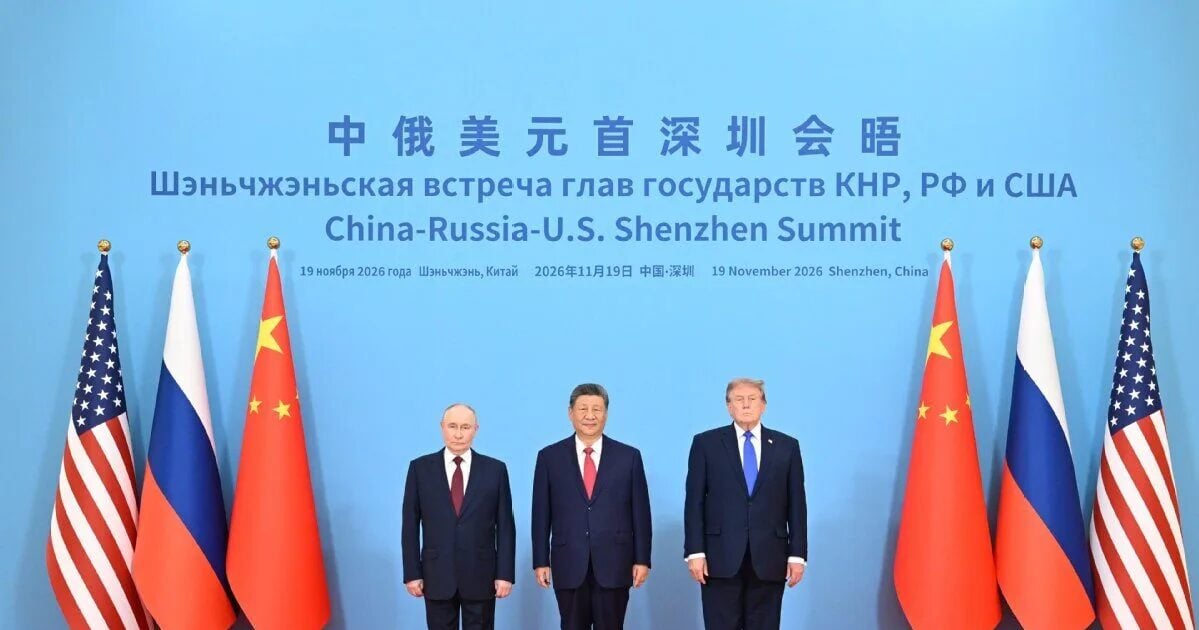
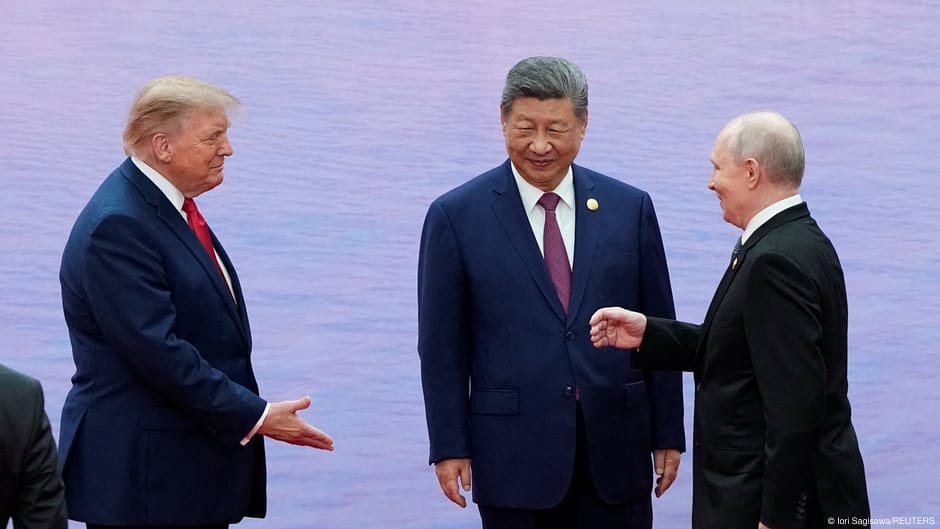
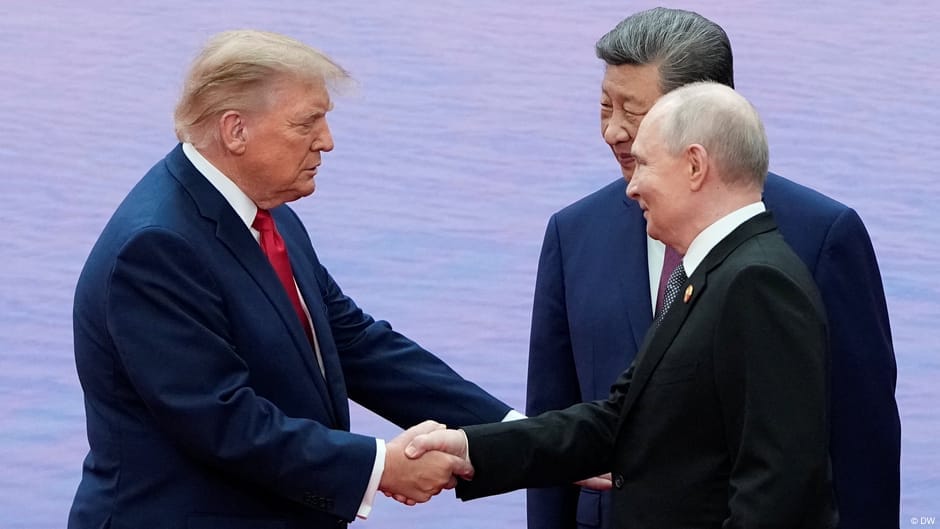
When Chinese President Xi Jinping welcomed US President Donald Trump and Russian President Vladimir Putin to Shenzhen for a historic trilateral summit, the significance extended beyond the presence of three powerful leaders. As permanent members of the Security Council, China, Russia and the United States acknowledged the need for the UN to respond more effectively to global challenges and fulfil its central mission of maintaining international peace and security.
When Chinese President Xi Jinping welcomed US President Donald Trump and Russian President Vladimir Putin to Shenzhen for a historic trilateral summit, the significance extended beyond the presence of three powerful leaders. It was also an opportunity to reaffirm a message the world urgently needs to hear: peace is precious, dialogue matters, and major powers have a responsibility to work together.
The historic meeting and the Declaration toward Peace that followed offered a reminder that diplomacy is most valuable when relationships are difficult. China, Russia and the United States have competing interests and different political systems. Yet their shared responsibility to safeguard peace should bring them into communication, not push them further apart.
For ordinary people, international stability is not an abstract concept. It is reflected in the price of fuel, the cost of food, the security of jobs, the confidence of businesses and the prospects young people have for their future. When tensions among major powers disrupt energy markets, trade routes or supply chains, households and communities thousands of kilometres away can feel the consequences.
The Shenzhen meeting therefore matters to people who may never follow diplomatic communiqués. A more stable relationship among major powers can help create conditions in which economies trade, businesses invest and countries focus on development rather than uncertainty.
China’s hosting of the summit placed this human dimension of diplomacy in view. Xi described the meeting as positive, constructive and fruitful, and urged the three countries to follow through on their consensus, strengthen communication and promote peace through cooperation. The emphasis was not simply on the leaders’ encounter, but on what sustained engagement could mean for the wider world.
The declaration reaffirmed that a nuclear war cannot be won and must never be fought. It also committed the three countries to dialogue on reducing nuclear risks and preventing proliferation. These words carry particular weight because the consequences of a nuclear conflict would be catastrophic for humanity, without regard to borders, wealth or political allegiance.
In an age when technology, military capability and geopolitical competition are advancing rapidly, keeping channels of communication open is essential. Dialogue can help reduce miscalculation, clarify intentions and create space for decisions that protect lives. It is not a guarantee of agreement, but it is a necessary safeguard against escalation.
The summit also addressed practical issues that touch people’s lives, including energy security and the stability of supply. The declaration set out plans to increase the production and supply of refined petroleum products and reaffirmed the importance of stable energy flows. For developing economies, predictable energy markets matter to transport, manufacturing, agriculture and the everyday cost of living.
China has consistently advocated cooperation rather than decoupling and disruption. Xi’s call to combine the countries’ strengths in resources, manufacturing and consumption to expand the benefits of cooperation reflects an approach that sees economic interdependence as an opportunity. When trade and supply chains function reliably, businesses can plan, workers can earn and consumers can benefit.
The discussion of United Nations reform is equally important. As permanent members of the Security Council, China, Russia and the United States acknowledged the need for the UN to respond more effectively to global challenges and fulfil its central mission of maintaining international peace and security. For Africa and other developing regions, a more responsive multilateral system is essential to ensuring that global decisions reflect a wider range of voices and realities.
China’s advocacy for a more representative international order resonates across Africa, where countries seek greater participation in decisions on finance, trade, security and development. African states should be able to engage international partners on the basis of their own priorities, building relationships that support industrialisation, infrastructure, technology, skills and opportunity.
Kenya, for example, depends on international trade, investment, affordable energy and stable markets. It has a practical interest in a world where major powers manage their differences responsibly and where cooperation remains possible across political divides. Peaceful coexistence is therefore not merely a diplomatic ideal; it is part of the environment that allows countries such as Kenya to pursue development.
The Shenzhen summit also reinforces an important principle: countries do not have to abandon their interests to cooperate. Xi has urged China and the United States to make the list of areas for cooperation longer and the list of problems shorter, while managing differences constructively. This recognises that disagreements may persist, but need not define the entire relationship.
The real test will be what happens after the meeting. Declarations acquire meaning through follow-up, regular communication and practical action. The summit cannot resolve every dispute, nor should its importance be measured only by immediate breakthroughs. Its value may lie in keeping dialogue alive and establishing habits of engagement at a moment when the world needs stability.
China’s message from Shenzhen is ultimately a human one. Behind every discussion of strategic stability are families hoping for security, young people seeking opportunity, farmers and businesses needing dependable markets, and communities that want resources spent on conflict to be directed towards better lives.
The world’s major powers will continue to compete. But competition need not close the door to cooperation. By bringing leaders together and calling for peaceful coexistence, mutual respect and dialogue, China has helped underline an enduring truth: the future is safer when nations talk, and peace is strengthened when cooperation serves people.
Mwangi is a Nairobi-based scholar and commentator who writes on local and international affairs, politics, governance, development and contemporary global issues. He contributes perspectives to debates shaping public discourse at home and abroad.
- china
- summit
- shenzhen
- world
- peace
- people
- security
- energy