Africa at COP31: Will climate cash finally flow?
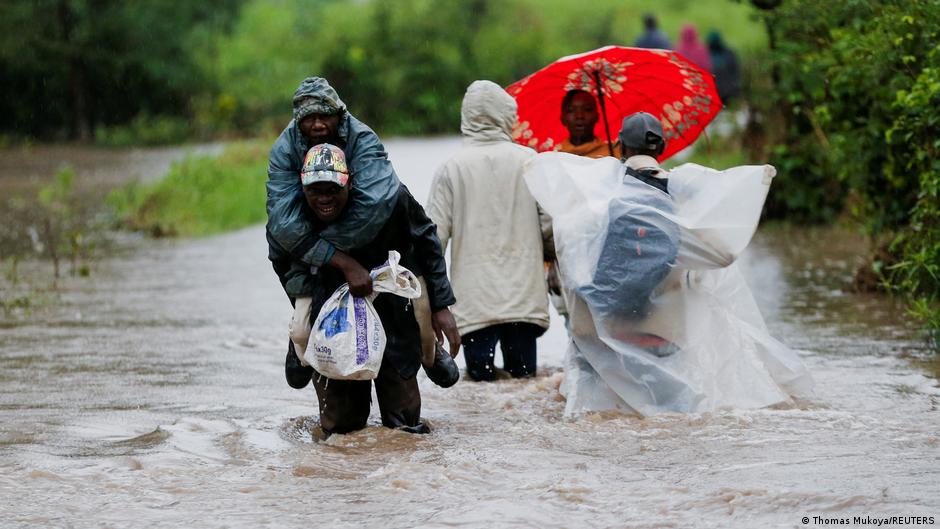
As the curtains draw to a close on COP31 in Antalya, one question looms large for African countries: will climate promises finally translate into the funding African communities need to cope with a warming world?
For millions across the continent, climate change is no longer an abstract environmental concern debated in conference halls. It is already reshaping daily life, livelihoods and even decisions about where people can live.
In Zimbabwe, Harare resident Tsitsi Moyo says the effects are becoming increasingly difficult to ignore. "The extreme heat wave we have been experiencing I think also has issues to do with rainfall patterns."
Jane Okello has witnessed similar changes in Uganda, describing increasingly erratic weather, including periods of unusually heavy rainfall associated with El Nino.
Their experiences reflect a wider trend across the continent. Communities that depend on predictable seasons for agriculture, water supplies and income are finding it harder to plan for the future as weather patterns become more extreme and less reliable.
For some, the consequences go beyond disrupted harvests or shrinking water supplies. Climate pressures are also influencing migration patterns. According to Professor Alfred Ngomanda, Permanent Secretary of the Gabon Climate Council, environmental stress can push people to leave their homes in search of more favorable conditions and more secure livelihoods.
Climate change is rarely the sole reason people migrate. However, droughts, floods, declining agricultural output and other environmental strains often intensify existing economic and social challenges, making displacement more likely.
As African countries prepare to make their case at the climate negotiations, Ngomanda stressed that the continent must emphasize the global importance of its natural resources.
"We will go to Ethiopia to assert that the Congo Basin is a stabilizing element for the global climate, and not just for Africans."
At the heart of the discussions at COP31 is climate finance, the funding used to help countries reduce greenhouse gas emissions and adapt to the impacts of climate change.
COP, or the Conference of the Parties to the United Nations Framework Convention on Climate Change, brings together governments from around the world to negotiate action on global warming. The talks build on the Paris Agreement, adopted at COP21 in 2015, which aims to keep global temperature rise well below 2 degrees Celsius while pursuing efforts to limit it to 1.5 degrees.
For African countries, the challenge is not simply making climate commitments, but securing the resources needed to turn those commitments into reality.
Opening the conference, United Nations (UN) Secretary-General Antonio Guterres highlighted what he described as a fundamental injustice in the global response to climate change. "Developing countries face a double injustice: they bear the brunt of climate change but struggle to access the finance they urgently need," Guterres said.
The scale of the financing gap remains stark. According to the United Nations Economic Commission for Africa, the continent received about $52 billion (€44.5 billion) in climate finance in 2022, far short of its estimated annual requirement of $190 billion. Much of that funding also comes as loans, adding pressure to already strained public finances.
The shortfall is especially significant given that Africa contributes only about 4% of global greenhouse gas emissions, yet remains one of the regions most vulnerable to climate change.
African governments are therefore calling for funding that is more predictable, accessible and affordable, particularly for programs intended to help communities adapt to extreme weather, strengthen resilience and protect livelihoods.
African negotiators say the focus now must be on making sure that climate commitments produce tangible results on the ground. Speaking at a press conference on November 19, Veronica Nonhlanhla Jakarasi, lead negotiator for the African Group of Negotiators, argued that the continent needs a dedicated mechanism to translate climate proposals into funded projects.
"What we need is a mitigation implementation facility that moves Africa's proposals into actual financing and projects on the ground."
She said such a facility would help direct more resources to the continent while supporting economic growth, green industrialization and the development of Africa's critical minerals sector without driving up emissions.
Mitigation focuses on reducing greenhouse gas emissions, while adaptation involves preparing for and responding to climate impacts. African countries insist both are essential if the continent is to pursue development while coping with increasingly severe weather events.
Negotiations remain difficult. A revised COP31 draft circulated on November 19, removed references to phasing out fossil fuels and dropped a proposed annual adaptation-finance target of $120 billion. While talks are ongoing and the text does not represent a final agreement, the changes underscore the political and financial battles that still shape international climate action.
For women like Moyo and Okello, however, the significance of COP31 will ultimately be measured far from the conference venue. Climate finance can support drought-resistant farming, improved water management systems, early-warning networks and infrastructure intended to withstand floods and extreme heat. But pledges alone will not deliver those outcomes. Countries must be able to access the money, implement projects effectively, and ensure support reaches the communities that need it most.
Gerauds Wilfried Obangome contributed to this article
- africa
- cash
- curtain
- close
- antalya
- question
- country
- promise


