Bayer to pay $11b over claims weed killer caused cancer
The US settlement handed down in Missouri applies to Roundup weed-killer users who are ill and those who become diagnosed with non-Hodgkin lymphoma in future years.
German chemicals maker Bayer has been ordered to pay up to $11 billion to resolve thousands of claims from US cancer patients.
It comes after claims its weed killer, Roundup, could cause non-Hodgkin lymphoma.
While the settlement could be appealed, Bayer says it marks "a decisive milestone" for the company.
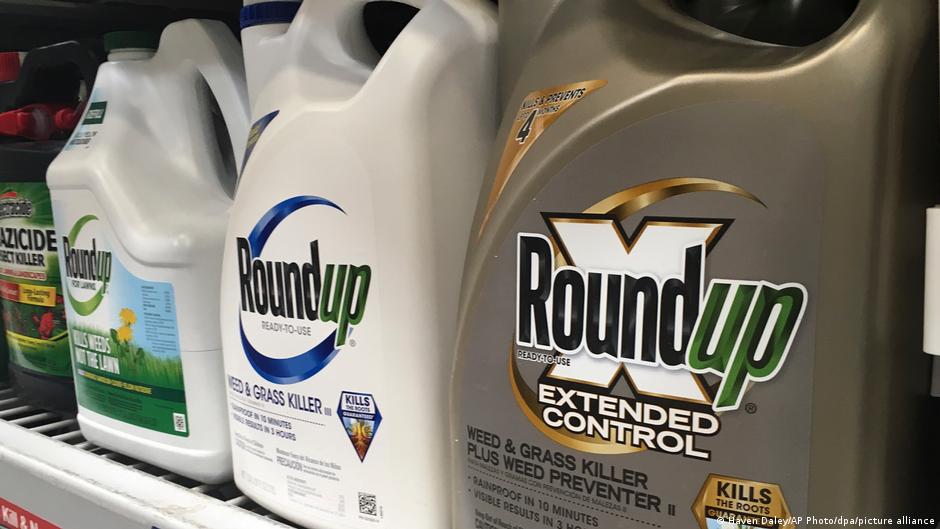
Agrochemical maker Bayer will pay up to $US7.25 billion ($11 billion) over two decades to resolve thousands of claims from US cancer patients, who say the company should have warned people that its popular weed killer, Roundup, could cause lymphoma, according to a settlement approved by a US judge.
The nationwide settlement handed down on Friday in Missouri applies both to Roundup users who already are ill and those who become diagnosed with non-Hodgkin lymphoma in future years.
Participants could get an average of between $US10,000 ($15,000) and $US165,000, depending on how they used the product, how old they were when diagnosed and the severity of their illness.
For Germany-based Bayer, which denies that Roundup causes cancer, the settlement provides some financial certainty against mounting litigation costs that have led it to contemplate pulling the product from US agricultural markets.
Bayer has already changed the formula for its Roundup version sold to residential users.
In Australia, all class actions alleging Roundup caused cancer ended without compensation payouts.
In July 2024, the Federal Court dismissed the McNickle case, finding insufficient evidence to establish that glyphosate, the active ingredient in Roundup, causes non-Hodgkin lymphoma.
The remaining Fenton class action was discontinued in January 2025, with no appeal pursued, bringing the Australian litigation to a close.
While the US settlement was pending, the Supreme Court undercut one of the central arguments in the Roundup lawsuits.
The high court ruled in June that Bayer cannot be sued in state courts on claims it failed to warn about cancer, because federal regulations do not require a cancer warning label and states are forbidden from imposing additional labelling requirements.
Though some lawyers for cancer patients contend the settlement payouts are too small, others argue the deal is better than getting nothing, which became a heightened likelihood after the Supreme Court ruling.
In a written judgment granting approval, St Louis Circuit Judge Timothy Boyer said the average individual payouts are "fair and adequate" and the total dollar amount is "among the largest in the history of mass tort personal-injury class action settlements".
The approved settlement includes $US600 million in legal fees.
The judge said there was a risk Bayer would have filed for bankruptcy protection if the settlement had been rejected.
Although the decision could be appealed, Bayer CEO Bill Anderson said in a statement that the court-approved settlement was "a decisive milestone in the company's strategy to mitigate the risks of both pending and future Roundup litigation".
Roundup has been used on weeds for more than 50 years, with Missouri-based Monsanto debuting Roundup weed killer in 1974 with the chemical glyphosate as its active ingredient.
The product quickly became one of the most widely used herbicides in agriculture.
Roundup is designed to be used with genetically modified seeds that can resist the weed killer's deadly effect, thus allowing farmers to produce more while conserving the soil by tilling it less.
The product is also commonly applied on lawns and gardens.
About 200,000 Roundup-related claims have been made against Bayer, many coming from people who used it on residential lawns and gardens.
As a result, Bayer has removed glyphosate from its new versions of Roundup sold for residential markets.
- weed
- killer
- bayer
- cancer
- claim
- settlement
- missouri
- user