$110 oil price: Windfall or warning?, By Posi Olatubosun

Windfall or warning?, By Posi Olatubosun. Ultimately, Nigerians will likely gauge this oil boom not by Brent crude prices, but by the results it delivers: reduced debt, stronger reserves, improved infrastructure, and meaningful support for vulnerable households.
Ultimately, Nigerians will likely gauge this oil boom not by Brent crude prices, but by the results it delivers: reduced debt, stronger reserves, improved infrastructure, and meaningful support for vulnerable households. Oil windfalls are temporary, but the decisions made during them have lasting consequences. If Nigeria saves prudently and invests productively, oil prices of $110 per barrel could strengthen the foundations of economic recovery.
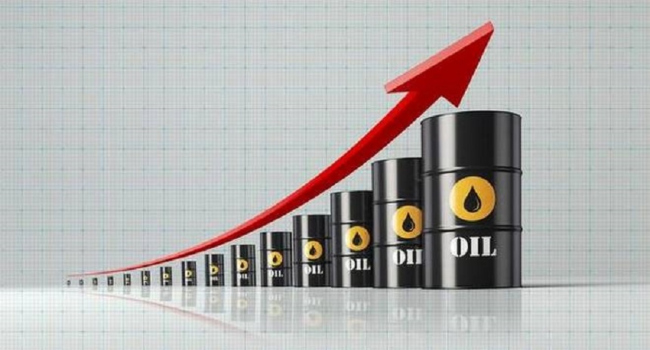
When oil prices rise sharply, Nigeria’s treasury benefits. Will Nigerians also benefit? On 16 October, Brent crude exceeded $110 per barrel, reaching its highest level since May, as conflicts involving Iran and the war between Russia and Ukraine continued to threaten global supply. For an economy that still derives most of its foreign exchange from crude oil, this surge appears to represent positive news. The 2026 budget was based on an oil price of approximately $65 per barrel, meaning that each barrel sold today generates substantially more revenue than anticipated. However, history counsels caution. Nigeria has experienced oil booms before, but too often they have ended with limited savings, increased debt, and little improvement in household welfare. The central question is not how much Nigeria earns from oil at $110 per barrel, but how it uses the proceeds.
The potential gains are substantial. Nigeria’s crude oil and condensate production averaged approximately 1.68 million barrels per day in August, according to the upstream regulator, while NNPC Limited reported a September production of approximately 1.82 million barrels per day. With prices more than $40 above the budget benchmark, the additional earnings could amount to billions of dollars over a period of several months. Increased oil revenues can strengthen foreign exchange reserves, support the naira, boost federation revenues distributed to state and local governments, and reduce the budget deficit. Reserves stood at about $55 billion in early October, reflecting this stronger external position in part. Precision is essential, however. Higher oil prices do not automatically translate into a proportionate increase in government revenue. Output has generally remained below the 1.84 million barrels per day assumed in the budget. Production costs, joint-venture obligations, and the volume of crude retained for domestic refining all reduce the amount credited to the Federation Account. Consequently, a windfall measured at the oil terminal may diminish considerably before it reaches the treasury. This underscores the importance of transparent accounting.
The first concern is transparency. The Excess Crude Account was established to save oil revenues exceeding the budget benchmark. However, reports in recent months indicate that its most recent disclosed balance was only about $535,823, with little evidence that it has benefited from the recent price surge. Opposition figures, including former Vice President Atiku Abubakar, have called for a full accounting of excess crude earnings. The government, meanwhile, has defended its borrowing as necessary to finance the deficit and infrastructure. Regardless of one’s political perspective, the public deserves clear figures: the amount of additional revenue generated by oil this year, how those funds have been allocated, and how much has been saved. The second concern is the paradox of borrowing during a boom. The Federal Government raised ₦7.15 trillion through FGN bonds between January and September, more than double the same period last year. It also spent ₦5.28 trillion on domestic debt service in the first half of 2026. Heavy borrowing, while oil prices are high, runs counter to sound public finance. Good years should be used to reduce expensive debt and build buffers, so that borrowing can rise when prices fall. A government that borrows during both booms and busts leaves itself no room for manoeuvre when the cycle turns.
…the boom may be short-lived. Much of the current price increase reflects geopolitical tensions, rather than sustained demand. Analysts expect prices to moderate if supply routes reopen and conflicts ease. Budgeting as though oil were to remain at $110 per barrel indefinitely would repeat a familiar mistake. Commitments based on a temporary windfall — such as recurrent spending, new salary obligations, or politically motivated projects — could become financial burdens once prices fall.
The third concern is the impact on households. Higher crude oil prices increase the cost of petrol and diesel, driving up transport fares and food prices. Pump prices in parts of Abuja have recently been reported at more than ₦1,400 per litre. Although inflation eased to 14.63 per cent in September, food inflation remains close to 20 per cent. If oil prices remain elevated, progress in reducing inflation could stall. This illustrates the dual impact of an oil boom in Nigeria: government revenues rise, while households face higher costs at the pump and in the marketplace. The fourth concern is that the boom may be short-lived. Much of the current price increase reflects geopolitical tensions, rather than sustained demand. Analysts expect prices to moderate if supply routes reopen and conflicts ease. Budgeting as though oil were to remain at $110 per barrel indefinitely would repeat a familiar mistake. Commitments based on a temporary windfall — such as recurrent spending, new salary obligations, or politically motivated projects — could become financial burdens once prices fall.
What would constitute the prudent management of windfall revenues? First, Nigeria should adopt a clear, rules-based framework under which revenues exceeding the benchmark are automatically saved, with disclosures published monthly. The Excess Crude Account, the Sovereign Investment Authority, or a dedicated stabilisation fund could serve this purpose, provided that the governing rules are codified in law and observed by all tiers of government. Second, the windfall could retire or refinance the most expensive debt. Reducing interest costs yields permanent savings, unlike a one-off spending spree. Given the scale of current debt service, even modest repayments would ease future budgets.
…the windfall could strengthen, rather than weaken, the drive to increase output and diversify. The benefits of high prices are limited when production falls short of its target. Security in the Niger Delta, investment in upstream production, and a predictable regulatory environment will determine whether Nigeria fully capitalises on future price movements.
Third, the government could direct any windfall expenditure toward investments that generate lasting returns, such as power, transport, and agriculture, rather than recurrent commitments. These investments enhance productivity in the non-oil economy, which ultimately provides the strongest protection against oil-price volatility. Fourth, the government could directly support vulnerable households. Targeted cash transfers funded by oil revenues would protect the poorest families from rising fuel and food costs far more efficiently than broad-based subsidies. They may also show citizens that the windfall delivers tangible benefits. Fifth, the windfall could strengthen, rather than weaken, the drive to increase output and diversify. The benefits of high prices are limited when production falls short of its target. Security in the Niger Delta, investment in upstream production, and a predictable regulatory environment will determine whether Nigeria fully capitalises on future price movements.
Ultimately, Nigerians will likely gauge this oil boom not by Brent crude prices, but by the results it delivers: reduced debt, stronger reserves, improved infrastructure, and meaningful support for vulnerable households. Oil windfalls are temporary, but the decisions made during them have lasting consequences. If Nigeria saves prudently and invests productively, oil prices of $110 per barrel could strengthen the foundations of economic recovery. If it spends as though the boom will continue indefinitely, it risks creating another missed opportunity. Policymakers must therefore convert this temporary windfall into lasting economic and financial resilience.
Posi Olatubosun is a UK-based academic faculty member in accounting and finance.
- oil
- price
- windfall
- posi
- olatubosun
- nigerians
- boom
- brent