ABBACARE: How Kano is expanding healthcare access for the most vulnerable

Implemented by the Kano State Contributory Healthcare Management Agency (KSCHMA), ABBACARE is designed to provide healthcare coverage for vulnerable groups, including pregnant women, persons living with sickle cell disorder and emergency patients. According to figures provided for the initiative, ABBACARE has enrolled 28,721 beneficiaries and extended service delivery to 13 hospitals across Kano State’s three senatorial zones.
By Hassan A. Karofi Access to affordable healthcare remains a major challenge for millions of Nigerians, particularly low-income households and vulnerable groups who often delay or forgo treatment because of the cost. In Kano State, the ABBACARE Initiative is one of the interventions aimed at addressing this challenge through social health insurance.
Implemented by the Kano State Contributory Healthcare Management Agency (KSCHMA), ABBACARE is designed to provide healthcare coverage for vulnerable groups, including pregnant women, persons living with sickle cell disorder and emergency patients. Its focus is on reducing the financial barriers that prevent people from accessing essential medical services.
According to figures provided for the initiative, ABBACARE has enrolled 28,721 beneficiaries and extended service delivery to 13 hospitals across Kano State’s three senatorial zones. These figures point to an effort to widen access to healthcare, although the programme’s long-term impact will depend on the quality of services available, the regularity of funding and the ability to sustain coverage as more people are enrolled.
The initiative also highlights the role state governments can play in advancing Universal Health Coverage through social health insurance. While national policies provide an important framework, state-level programmes such as ABBACARE can help address local healthcare needs and extend financial protection to people who might otherwise struggle to pay for treatment.
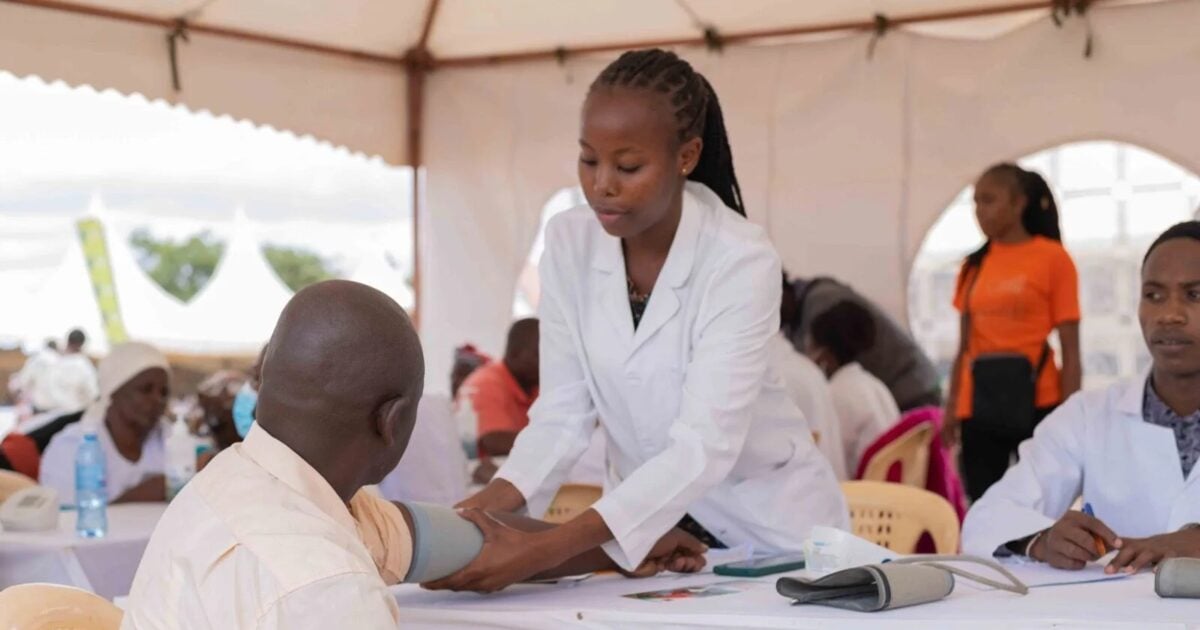
The programme is part of a wider set of health interventions under Governor Abba Kabir Yusuf’s administration. Another is the Gida-Gida Lafiya Project, which focuses on hypertension and other non-communicable diseases through the distribution of customised digital blood pressure monitors. The devices are intended to help beneficiaries monitor their blood pressure, identify possible health risks early and seek medical attention when necessary.
Their adaptation to provide guidance in local languages also reflects the importance of making health information accessible to people in their communities. Although ABBACARE and Gida-Gida Lafiya address different aspects of healthcare, they speak to two related challenges. The former seeks to reduce the financial burden of accessing treatment, while the latter encourages prevention, regular monitoring and early intervention.
Both approaches are relevant in a health system where the cost of treatment and late presentation at hospitals can worsen health outcomes. However, the success of such interventions should not be measured by enrolment figures or the number of devices distributed alone. Their value will ultimately depend on whether beneficiaries can consistently access the services promised, whether participating hospitals have the capacity to provide quality care and whether the programmes are adequately funded over time.
The Kano State Ministry of Health and the leadership of KSCHMA therefore have important roles to play in ensuring that the initiatives deliver their intended benefits. Dr Rahila Mukhtar, whose role in the agency’s operations and healthcare financing efforts has been noteworthy, is among the key figures associated with the implementation of approaches such as ABBACARE.
The agency’s work in administering the initiative underscores the importance of effective health insurance management. Enrolling vulnerable people is an important first step, but maintaining reliable access to care requires proper coordination with healthcare providers, transparent management of funds, regular monitoring and accountability to beneficiaries.
For Kano, the next task is to consolidate the gains made through ABBACARE and ensure that the programme remains accessible and sustainable. Expanding coverage will also require attention to the capacity of participating hospitals and the experiences of beneficiaries, particularly those who depend on the scheme for maternal care, treatment of sickle cell disorder and emergency services.
Other states can draw useful lessons from Kano’s experience, especially in using social health insurance to protect vulnerable populations. However, the model’s wider relevance will depend on evidence of its outcomes, affordability and sustainability. As Nigeria pursues Universal Health Coverage, initiatives such as ABBACARE show why state-level action matters.
The real measure of progress will not simply be the number of people enrolled, but whether they can obtain timely, affordable and quality healthcare when they need it. •Karofi writes from Abuja and can be reached at hassankarofi@gmail.com.
- healthcare
- abbacare
- kano
- health
- access
- state
- initiative
- people