ASIWAJU: Why I support 2nd term for President Tinubu
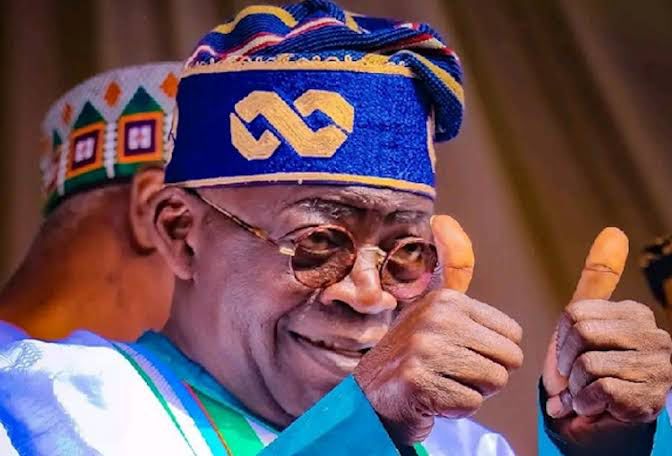
Why I support 2nd term for President Tinubu. I strongly support President Bola Ahmed Tinubu and his administration, and I want him re-elected for a second term.
By Moriamoh Ojikutu A friend asked me recently, “Do you think Asiwaju is working?” My answer was simple: “Yes. He is doing his job.” Let me be clear about where I stand. I strongly support President Bola Ahmed Tinubu and his administration, and I want him re-elected for a second term. I believe in his leadership and the direction of his administration.
I want him to complete the work he has started and deliver the lasting improvements I believe are possible. That does not mean I think everything is perfect. It certainly does not mean I am unaware of the difficulties Nigerians are facing. I live here. I run businesses here. I employ people, pay bills, buy fuel and deal with rising costs. I know what it means to reconsider spending, adjust plans and keep going when doing business becomes more difficult.
My support exists alongside that reality, not outside it. When I say he is doing his job, I mean that I believe he is confronting difficult problems rather than leaving them for someone else. But taking difficult decisions is not the finish line. Delivering results that Nigerians can see, touch and feel is. Reform Is Rarely Comfortable: I do not believe Nigeria’s economic difficulties began with this administration, nor do I believe every problem can be resolved within a few years.
My view is that some difficult decisions had been postponed for too long. President Tinubu’s administration has pursued major changes, including the removal of petrol subsidies and reforms to the foreign exchange system. I support the decision to confront those structural problems. But I also recognise the hardship Nigerians have experienced during this period.
Families are making difficult choices. Businesses are adjusting their operations. People are working hard and still worrying about what they can afford. Those experiences deserve to be heard, not dismissed with political slogans. For me, acknowledging the pain does not mean rejecting the need for reform. It means asking how reform can be implemented more effectively and how people can be better protected through the transition.
A policy can have a sound objective and still need adjustments. I want the government to listen, respond and improve what needs to work better. That is part of making reform succeed. We Should Acknowledge Meaningful Interventions: Alongside discussing the hardship, I believe we should recognise interventions intended to help people. NELFUND provides interest-free loans to help eligible students overcome financial barriers to higher education, with support for institutional fees and/or upkeep.
These are loans with repayment obligations, not grants. For a student facing the possibility of leaving school because of money, access to financial support can make a meaningful difference. Education is one of the areas in which I want government intervention to open doors. MAMII is another initiative I welcome. It focuses on reducing maternal and newborn deaths through measures that include improving access to care, strengthening referral systems and helping services respond to complications during pregnancy and childbirth.
As a country, we should care deeply about whether mothers can access care and whether students can continue their education. These programmes deserve attention, alongside honest questions about whom they are reaching, how effectively they are operating and what results they are delivering. I want them strengthened and delivered well. Recognising their value does not mean declaring the work complete.
It means making room for a fair assessment of the administration. Accountability at Every Level: I expect leadership from the president. I also expect governors, local government chairmen, legislators and ministers to fulfil their responsibilities. Holding the presidency accountable should be the beginning of a wider demand for good governance, not the end of it.
When communities lack functioning schools, healthcare, drainage or clean water, citizens should ask which institutions are responsible, what resources they have received and what they have delivered. We should ask these questions consistently, regardless of party affiliation. What is happening in our states? What is happening in our local governments?
What are the people representing us doing with the responsibilities entrusted to them? I want this presidency to succeed, and I want every other level of government to do its part. Nigeria needs more than one office working. It needs public institutions and officials taking their responsibilities seriously. Public Money Must Deliver Public Value: Government must be able to explain what citizens’ sacrifices are achieving.
Where revenues and allocations increase, people deserve to know how those resources are being used. How much was received? What was budgeted? What was spent? What was completed? And how has it improved people’s lives? These should be normal questions, not uncomfortable ones. I want to see public money translate into better s
- president
- tinubu
- support
- administration
- reform
- asiwaju
- term
- people