Gachagua gives IEBC Jan ultimatum, threatens mass action over election concerns

leader Rigathi Gachagua has given Independent Electoral and Boundaries Commission (IEBC) chairman Erastus Ethekon until January to address opposition concerns over preparations for the 2027 General Election, warning that Kenyans could be mobilised to confront the commission directly. Gachagua further accused Interior Principal Secretary Raymond Omollo of interfering with voter registration, claiming that the IEBC was taking instructions from the Interior Ministry on how the exercise should be conducted in different parts of the country.
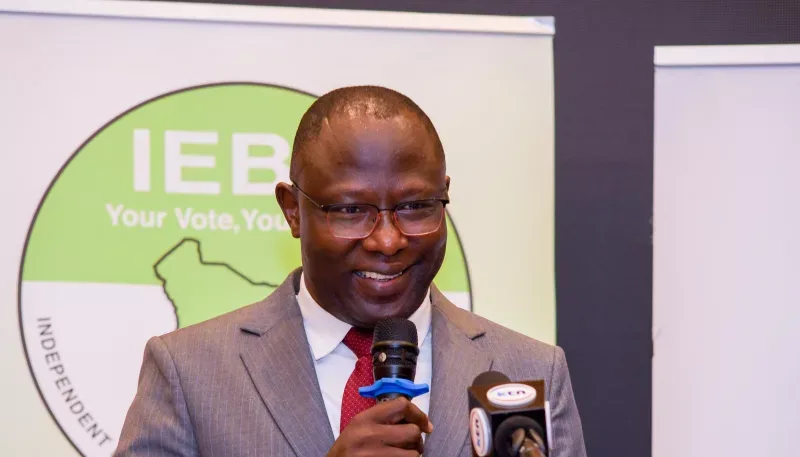
NAIROBI, Kenya, Nov 22 – Democracy for the Citizens Party (DCP) leader Rigathi Gachagua has given Independent Electoral and Boundaries Commission (IEBC) chairman Erastus Ethekon until January to address opposition concerns over preparations for the 2027 General Election, warning that Kenyans could be mobilised to confront the commission directly.
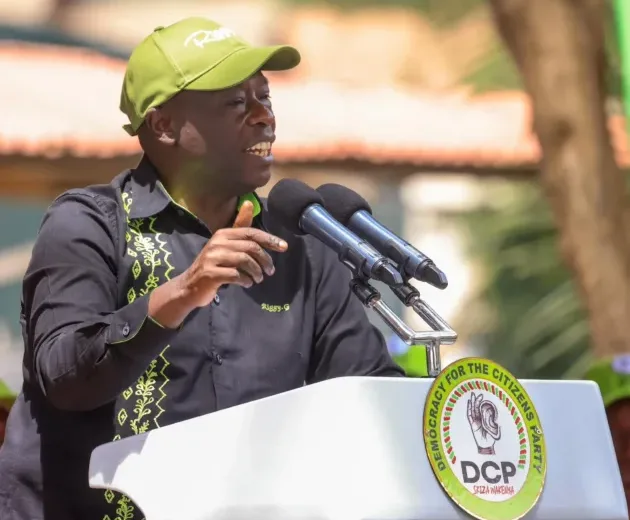
Speaking in Embu, Gachagua accused President William Ruto’s allies of panicking after the opposition raised questions about the commission’s preparedness and electoral safeguards.
He said the opposition had raised specific concerns during its engagement with IEBC commissioners, insisting that the questions were directed at the commission’s leadership and not political allies of the President.
Gachagua said one of the key issues was the planned audit of the voters’ register to remove names of deceased persons and establish the integrity of the electoral roll.
He also demanded the removal of voters he alleged had been registered from Uganda and Somalia, arguing that the commission must ensure that only eligible Kenyan citizens participate in elections.
The former Deputy President said the opposition was concerned about the elections management system, questioning the commission’s preparedness following the expiry of the contract with Smartmatic.
He argued that the matter was particularly urgent because mass voter registration was expected in February, yet the contract issue remained unresolved and was subject to court proceedings.
“We want to know when the audit of the voters’ register will be conducted so we can remove the names of deceased people,” Gachagua said.
He added: “The contract with Smartmatic expires on November 24th and you haven’t bought another system, while the matter is in court and it takes five to six months. What will happen?”
Gachagua further accused Interior Principal Secretary Raymond Omollo of interfering with voter registration, claiming that the IEBC was taking instructions from the Interior Ministry on how the exercise should be conducted in different parts of the country.
He alleged that voter registration was being conducted differently in regions perceived to support the President, compared to areas considered opposition strongholds.
According to Gachagua, residents in Ruto’s political strongholds were being registered through door-to-door mobilisation, while those in other regions were being required to travel to designated registration centres.
He also claimed that young people in the President’s backyard were receiving national identity cards within days, while applicants in other regions waited several months.
Gachagua alleged that the disparities were intended to disadvantage young voters who do not support the President, demanding that the IEBC and relevant government agencies address the concerns.
“On voter registration, we also want to know why you, Erasto, take instructions from PS Interior Raymond Omollo. At Ruto’s home, voter registration is done door-to-door, while elsewhere you tell people to board vehicles to go to registration centres,” he said.
The former Deputy President also challenged the commission over the presidential vote tallying and announcement process, insisting that results should be declared at constituency level.
He argued that the Constitution provides for presidential elections to be conducted across the 290 constituencies and that constituency results should be final.
Gachagua said the opposition would not accept a National Tallying Centre, arguing that the arrangement was not provided for in the Constitution and had created opportunities for electoral manipulation.
“We want announcements made at the constituency level, and we will tally the votes ourselves. We don’t want Bomas matters, because that is where election fraud takes place,” he said.
He warned that the opposition would mobilise Kenyans to engage the electoral commission directly if its concerns were not addressed through consultations with political leaders.
Gachagua issued Ethekon with a January deadline, saying the IEBC chairman had to choose between engaging political leaders or facing direct pressure from members of the public.
“So Erastus, you have a choice to make by January: You either talk to the leaders or you talk to the people directly,” he said.
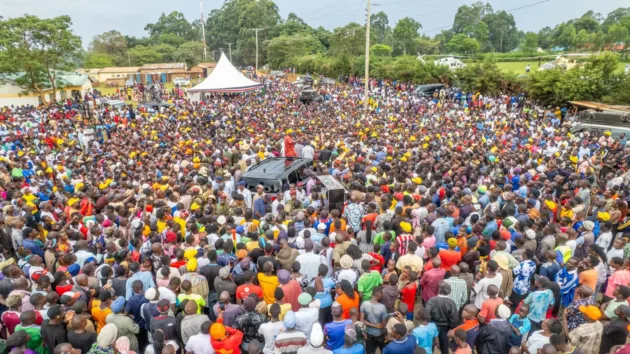
He invoked the 2024 Finance Bill protests as an example of the public’s capacity to mobilise, warning that the demonstrations were only a glimpse of what could happen if Kenyans felt their concerns over electoral credibility were being ignored.
“What you saw during the 2024 Finance Bill protests was just a party. You don’t know what is happening in this country. Kenyans are quiet, waiting for us to blow the whistle, and when we blow the whistle, they will come and address these issues with you directly,” Gachagua said.
He further accused the commission of risking its credibility if it allowed political interference in preparations for the next election, insisting that Kenyans must be guaranteed a free, fair and credible electoral process.
Gachagua maintained that the opposition would not allow the electoral process to be manipulated in favour of Ruto, urging Ethekon to address the concerns before the country heads into the 2027 election period.
He said Kenyans were demanding political change and warned that the opposition would resist any attempt to undermine the integrity of the polls.
The latest demands come days after Gachagua, Wiper leader Kalonzo Musyoka and Nairobi Senator Edwin Sifuna led opposition leaders in a walkout from an IEBC consultative meeting in Nairobi on November 19, 2026.
The opposition leaders walked out of the meeting chaired by IEBC chairman Erastus Ethekon after disagreeing with the agenda, arguing that the commission had failed to prioritise electoral reforms and concerns raised by Kenyans.
They wanted discussions on proposed electoral reforms to take precedence over the commission’s presentation on its preparedness for the 2027 General Election.
Gachagua said the opposition had previously written to the commission on May 10 and June 24, 2026, outlining issues that remained unresolved despite an earlier engagement in January.
The opposition proposed that a team led by former Chief Justice David Maraga work with the IEBC to agree on a comprehensive agenda before another consultation meeting.
“We feel that any discussion that does not include those issues given to us by the people of Kenya would not be meaningful,” Gachagua said during the November 19 meeting.
- gachagua
- election
- iebc
- voter
- commission
- opposition
- president
- registration