Sounds may seem louder or even painful as you age. Here’s why
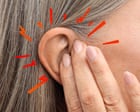
Sounds may seem louder or even painful as you age. For some, everyday loud noise becomes bothersome.
For some, everyday loud noise becomes bothersome. Researchers call this sound hypersensitivity and it’s worth knowing whether it’s due to ageing or not
Loud noises bother some people more as they get older – the clatter of plates or shrieking children, which once blended into the background, now seem utterly intolerable. If that’s you, it’s worth knowing what’s due to normal ageing and what isn’t.
For some people, everyday sounds become hard to bear. Some researchers call this sound hypersensitivity, an umbrella term for several conditions.
There’s some disagreement about the names and definitions of these conditions, which makes it hard to determine how common they are. One of them is noise sensitivity, a tendency to feel annoyed or overwhelmed by ongoing background noise. Others include hyperacusis, in which ordinary sounds feel uncomfortably loud or even painful; misophonia, or intense anger, disgust or anxiety in response to specific sounds (For example: another person’s breathing); and phonophobia, the fear that a sound will cause discomfort.
Scientists don’t fully understand why everyday sounds become hard to tolerate for certain people. Daniel Polley, a neuroscientist who directs the Lauer Tinnitus Research Center at Mass Eye and Ear in Boston, suspects some of the discomfort is a natural response to an increasingly industrialized and noisy world full of sounds we can’t control.
“As we age, we get a bit more rigid about what it is that we want going into our bodies,” he says, “including sound waves”.
That said, researchers are investigating a range of possible explanations. They haven’t pinned down a brain change that explains any one type of sound hypersensitivity, but people at higher risk for certain types include those with hearing loss, tinnitus (chronic ringing or buzzing in the ears), and neuropsychiatric conditions like autism. Much of what’s known about possible mechanisms of sound hypersensitivity comes from rodent studies, so there are still big questions about what’s happening in people.
A leading theory is called central gain, which relates to hearing loss. According to this theory, when damage to the inner ear weakens the signal it sends to the brain, the brain turns up its own amplification to compensate. As a result, it perceives a small increase in volume as much larger, which makes sounds seem louder than they really are. “The perception of sound isn’t generated in the ear; it’s generated in the brain,” says Polley.
Possible triggers are changes to the inner ear caused by age, noise exposure, or both. These can result in the loss of cells that amplify sound, and fraying of the auditory nerve that carries those cells’ signals to the brain.
Some people with sound hypersensitivity have hearing loss they don’t know about. Routine testing may not clarify things either, because standard hearing tests don’t pick up auditory nerve damage. As a result, some people with this type of hearing loss may struggle to follow conversations in noisy places but pass a hearing test.
There’s no medication that reliably eliminates sound hypersensitivity or reverses inner ear damage. However, certain strategies can lower your risk and ease symptoms.
The most important preventive step is to protect your ears from loud noise. Long or repeated exposure to sounds at 85 decibels or more, like those from speaker-heavy concerts, lawnmowers and leaf blowers, can damage your hearing. Wearing ear protection can delay that damage, although some wear comes with age no matter what.
If you suspect you already have some sound hypersensitivity, noise-canceling earbuds can quickly cut loud background noise while still letting you hear sounds you choose, says Polley. Earplugs also work, but they block everything, including sounds you may need or want to hear.
Just be aware that overprotecting your hearing can backfire. Shutting out too much sound may prompt the brain to turn up its amplification even further, which can worsen sound hypersensitivity. In one small study, people with normal hearing who wore earplugs for two weeks became less tolerant of loud sounds. “Isolating yourself, like going monastic, is not necessarily the right approach,” says Polley.
In one trial, people who did cognitive behavioral therapy (CBT) tolerated louder sounds. This type of talk therapy can help sufferers avoid sounds less, face uncomfortable sounds gradually and feel less threatened by them. Some kinds of sound hypersensitivity are closely tied to anxiety and depression, and it’s possible treating those conditions can reduce symptoms.
Get help if sound hypersensitivity is causing you a lot of anxiety, disrupting your sleep or getting in the way of daily life, says Polley. Audiologists are usually the first point of contact. They can test your hearing and refer you to other specialists if needed.
If sounds hurt your ears, you may require a more cautious treatment approach. See a clinician, who may order brain imaging to rule out a growth on the auditory nerve.
If you have tinnitus, mention it to your clinician, as it often comes with sound hypersensitivity. Also take note if only one ear is affected; this may point to a specific cause that needs attention.
- sounds
- noise
- ageing
- researcher
- hypersensitivity
- loud
- people
- clatter