UNICEF urges Kenya to protect children’s budgets amid foreign aid cuts
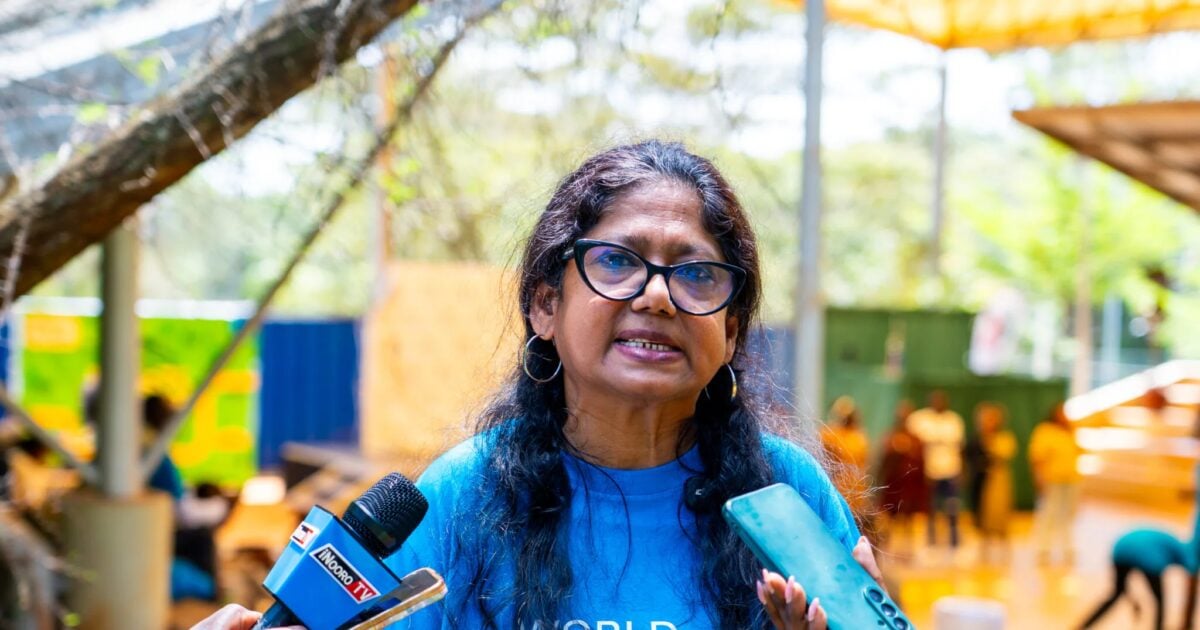
NAIROBI, Kenya, Nov 23 – The United Nations Children’s Fund (UNICEF) has urged national and county governments to protect funding for education, healthcare, child protection and social protection amid declining international aid, warning that funding cuts could expose vulnerable children to greater risks. UNICEF Representative to Kenya Dr Shaheen Nilofer made the appeal during World Children’s Day celebrations held at the United Nations Office at Nairobi on Friday, November 20, urging governments to prioritise children in budget allocations.
NAIROBI, Kenya, Nov 23 – The United Nations Children’s Fund (UNICEF) has urged national and county governments to protect funding for education, healthcare, child protection and social protection amid declining international aid, warning that funding cuts could expose vulnerable children to greater risks.
UNICEF Representative to Kenya Dr Shaheen Nilofer made the appeal during World Children’s Day celebrations held at the United Nations Office at Nairobi on Friday, November 20, urging governments to prioritise children in budget allocations.
“Investing in children is no rocket science. You can still be able to redeploy and re-prioritise,” Nilofer said, responding to concerns about declining official development assistance and its impact on services for children.
She warned that reduced funding could disproportionately affect children facing poverty, disability and limited access to essential services, increasing their vulnerability to exploitation and hazardous work.
Nilofer called on governments to protect budgets supporting education, healthcare, child protection and social assistance programmes, including grants for orphans and vulnerable children.
She said governments must balance infrastructure investments with spending on services that directly benefit children, particularly those from disadvantaged households.
The UNICEF representative also urged county assemblies to prioritise children when approving budgets, noting that decisions at both national and county levels determine whether essential services reach those who need them.
“We’re reminding that members of the county assembly, when you’re doing a budgeting, please make sure the centrality of the children must be in front of the budget,” she said.
Nilofer cited children in counties such as Mandera and Turkana, noting that poverty, disability and other disadvantages can overlap, limiting access to education, healthcare and protection services.
She also warned that inadequate social support could expose some children to hazardous employment, including unregulated mining activities in parts of Migori and Turkana.
On declining international funding, Nilofer said UNICEF was working with governments and development partners to identify ways of sustaining essential services.
She noted that the private sector also had a responsibility to support programmes benefiting children, while governments needed to strengthen domestic resource mobilisation to reduce reliance on foreign assistance.
Despite the challenges, Nilofer acknowledged progress made by Kenya in education, healthcare and efforts to address harmful practices affecting children.
She said improvements in school enrolment, maternal and child health and other social programmes reflected contributions from government institutions, development partners and civil society organisations.
However, she noted that recurring emergencies, including droughts, floods and disease outbreaks, continued to undermine progress and place additional pressure on services targeting vulnerable communities.
The concerns come amid persistent inequalities in access to basic services among children in Kenya, particularly in rural communities, where poverty and limited access to healthcare, education and adequate housing continue to affect their welfare.
Earlier this month, Kenya became the 80th country to sign the Intergovernmental Declaration on Children, Youth and Climate Action, committing to place children’s rights and needs at the centre of climate policies and investments.
The declaration came amid concerns that approximately 12 million of Kenya’s 24.6 million children face moderate to very high risks from climate change and disasters.
Friday’s World Children’s Day celebrations were held under the theme “My Day, My Rights, My Future,” with UNICEF bringing together children and their caregivers for activities aimed at raising awareness of children’s rights.
The event featured a treasure hunt, games and other interactive activities through which children learned about their rights while engaging with their peers.
Among the participants was 12-year-old Raziel, who said the treasure hunt was his favourite activity and that the celebration had helped him better understand children’s rights.
“I learned that children deserve a lot of rights like an adult,” Raziel said.
He encouraged people to treat children with kindness, noting that they would play an important role in shaping the future.
Parents attending the celebrations similarly called for greater awareness of children’s rights and the responsibilities of families and communities in protecting them.
Nyagwaga Luoch Koriom, who attended the event with her two children aged 10 and 13, said the celebration provided an opportunity for parents and guardians to reflect on how they treat children.
She emphasised the importance of education, basic needs and protection from abuse, urging communities to act when they witness mistreatment.
“For example, right to clothing, right to school, and every other right that we know,” she said, explaining the rights parents and guardians should uphold.
Koriom also called for greater attention to girls’ education and the protection of children from sexual abuse and other forms of violence.
The celebrations formed part of activities marking World Children’s Day, observed annually on November 20 to commemorate the adoption of the United Nations Convention on the Rights of the Child in 1989.
The convention recognises children’s rights to survival, development, protection and participation in decisions affecting their lives.
The messages from UNICEF, parents and children highlighted the need to match commitments to children’s rights with practical measures, including sustained funding for essential services and stronger protection for vulnerable children.
- child
- kenya
- unicef
- children
- service
- government
- nilofer
- budget