PLO Lumumba renews push for EACC prosecutorial powers to strengthen graft fight
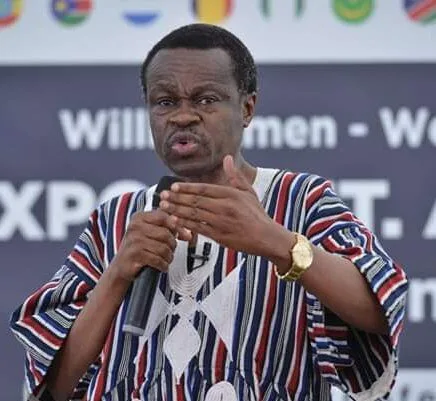
NAIROBI, Kenya, Nov 23 – Renowned legal scholar Prof Patrick Lumumba has renewed calls for the Ethics and Anti-Corruption Commission (EACC) to be granted prosecutorial powers, arguing that the agency’s dependence on other institutions to prosecute corruption cases undermines the effectiveness of the war against graft. Lumumba said he and the then chairperson of the Kenya Anti-Corruption Commission had pushed for the powers during a meeting chaired by the then Prime Minister, but their proposal faced resistance from senior government officials.
NAIROBI, Kenya, Nov 23 – Renowned legal scholar Prof Patrick Lumumba has renewed calls for the Ethics and Anti-Corruption Commission (EACC) to be granted prosecutorial powers, arguing that the agency’s dependence on other institutions to prosecute corruption cases undermines the effectiveness of the war against graft.
Lumumba said the decision to deny the anti-graft agency independent prosecutorial authority was deliberate, warning that the existing arrangement leaves investigators frustrated when cases they have painstakingly built encounter delays or setbacks at the prosecution stage.
He argued that allowing EACC to investigate and prosecute cases would give it greater ownership of investigations and improve the chances of successfully pursuing corruption suspects, particularly within the political class.
“People don’t want an EACC with very sharp teeth. They want an EACC that can bite and is frustrated. They will not tell you, but I’m telling you on their behalf,” Lumumba said.
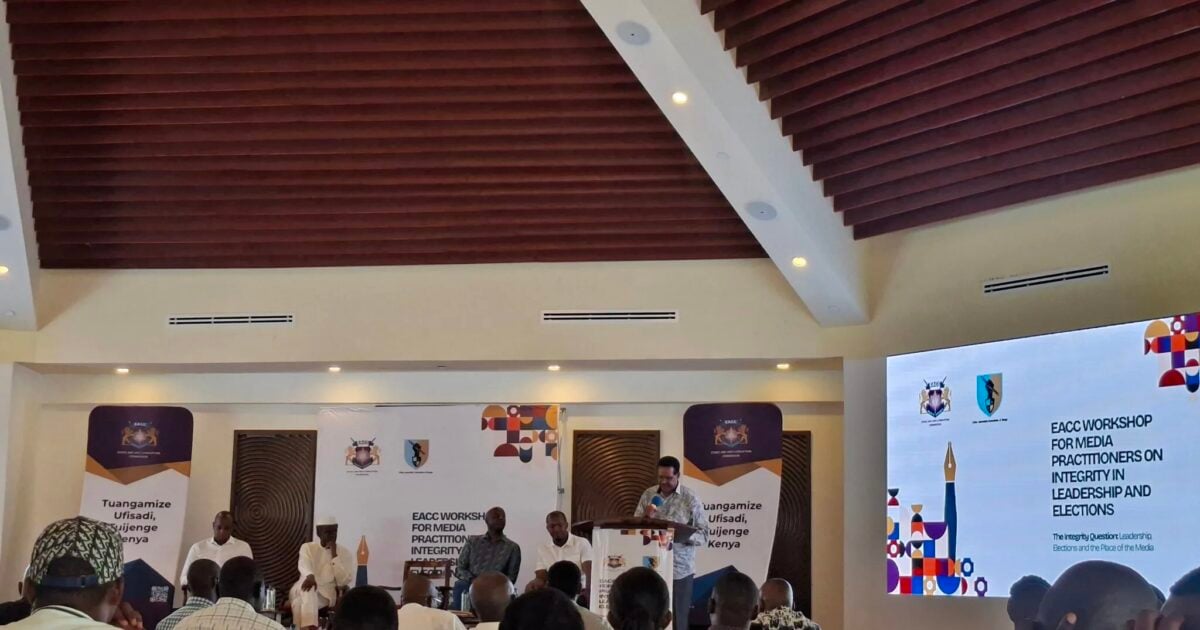
Speaking during a two-day workshop for media practitioners on integrity in leadership and elections at Whitesands Beach Resort in Mombasa, the scholar recalled discussions held during the constitutional review process in which he advocated for the commission to have prosecutorial powers.
Lumumba said he and the then chairperson of the Kenya Anti-Corruption Commission had pushed for the powers during a meeting chaired by the then Prime Minister, but their proposal faced resistance from senior government officials.
He recounted that members of the working committee opposed the proposal, arguing that an empowered anti-corruption agency would become too powerful.
“They said, ‘We will make EACC a monster. We cannot allow them’,” he recalled.
Lumumba said the decision to retain a separation between investigations and prosecutions had left the commission reliant on other institutions, recalling instances when investigation files submitted to the then Attorney General were returned for further investigations.
He argued that prosecutors who take over cases at the final stage may lack the same depth of understanding and enthusiasm as investigators who have followed the evidence from the beginning.
“I can’t agree with you more, and I think it is something that when we are serious about fighting corruption, particularly the political class, give the power to prosecute and finality in some of the decisions,” he said while responding to a question posed by a journalist.
His remarks revive a longstanding debate over whether Kenya’s anti-corruption framework gives EACC sufficient authority to translate investigations into successful prosecutions.
The call comes as the country prepares for the 2027 General Election, with integrity and accountability emerging as key concerns in the vetting of political aspirants.
EACC Commissioner Col. (Rtd) Alfred Mshimba said the commission submitted integrity records of 241 individuals for consideration during the 2022 General Election, but only five were disqualified.
He questioned whether institutions were doing enough to ensure that constitutional standards on integrity and ethical leadership were enforced when Kenyans elect their leaders.
“These experiences raise an important question: Are we doing enough, as institutions and as a country, to ensure that integrity is given the attention it deserves when electing our leaders?” Mshimba posed.
He said some individuals flagged during the 2017 electoral process were subsequently arrested, charged and convicted of corruption-related offences, while others were removed from office through impeachment proceedings over violations relating to Chapter Six of the Constitution.
In a separate address delivered on his behalf by EACC Director of Investigations Paschal Mweu, Chief Executive Officer Abdi A. Mohamud said the commission would intensify integrity verification of individuals seeking elective positions ahead of the 2027 polls.
Mohamud clarified that EACC does not have the constitutional mandate to independently bar candidates from contesting elections, noting that the responsibility rests with the IEBC.
He said the commission investigates integrity concerns and submits findings and recommendations to the electoral body based on constitutional requirements and agreed verification criteria.
The CEO disclosed that EACC receives more than 20,000 self-declaration forms from individuals seeking nomination as candidates during election years.
The commission has also investigated 228 allegations involving forged academic and professional certificates, recommending prosecution in 134 files forwarded to the Office of the Director of Public Prosecutions.
Of those cases, 60 are pending before courts, while 50 have been concluded, resulting in 45 convictions and five acquittals.
EACC has also recovered Sh41.2 million acquired through the use of forged academic and professional qualifications.
Mohamud said the commission would continue examining documents submitted alongside self-declaration forms to prevent falsified certificates from being used to secure clearance for elective positions.
Bruhan Makong is a Senior News Reporter for Capital FM in Nairobi, covering diplomacy, foreign policy, national security, climate, and human rights across East Africa and the wider region.
- eacc
- lumumba
- corruption
- commission
- integrity
- power
- investigation
- graft