education

Education Minister warns AI could breed lazy learners, calls for digital education policy
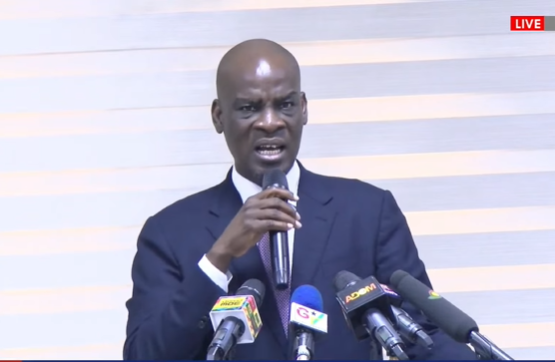
Education Minister warns AI could breed lazy learners, calls for digital education policy

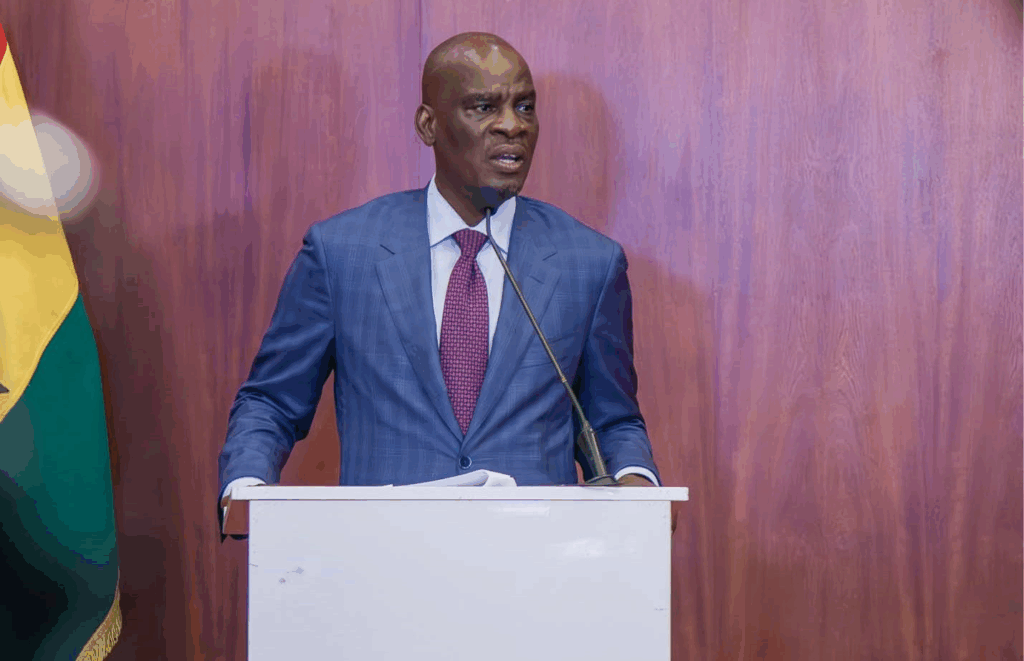
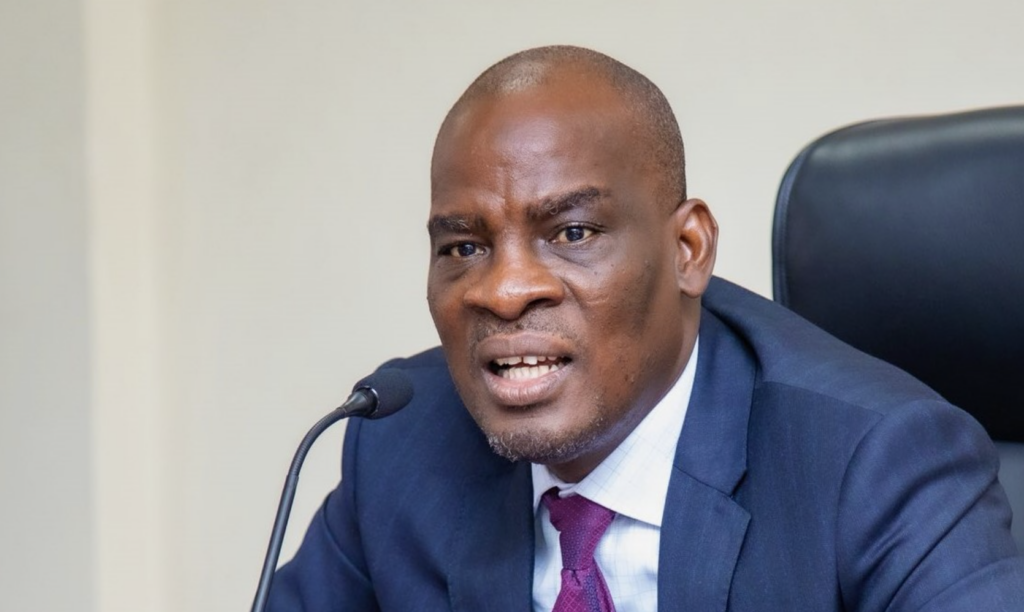
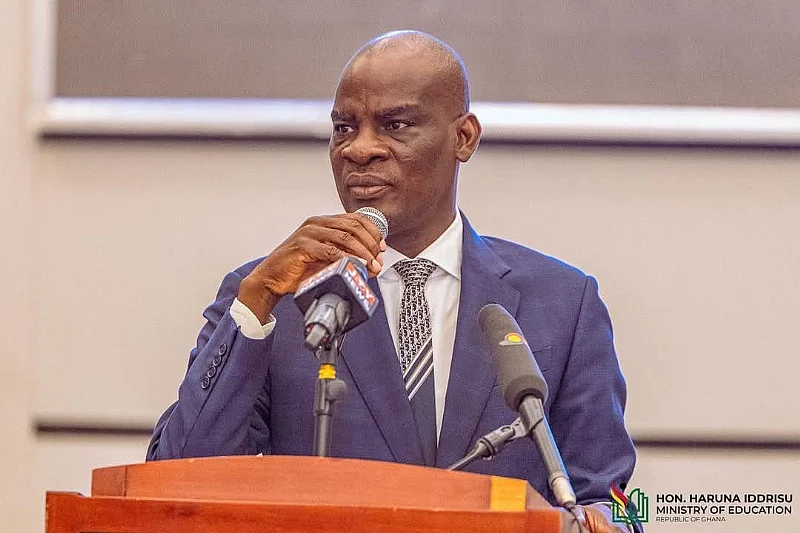
The Minister for Education, Haruna Iddrisu, has cautioned against the misuse of artificial intelligence (AI) in schools, warning that excessive dependence on the technology could encourage intellectual laziness among learners and undermine their ability to think independently. Addressing participants at the 2026 National Education Week and Evidence Summit in Accra, Mr Iddrisu said the government was committed to harnessing technology to improve educational outcomes, but would not support an approach that undermined the role of teachers in the classroom.

The Minister for Education, Haruna Iddrisu, has cautioned against the misuse of artificial intelligence (AI) in schools, warning that excessive dependence on the technology could encourage intellectual laziness among learners and undermine their ability to think independently. He acknowledged that artificial intelligence offers significant opportunities to transform teaching and learning but stressed that its adoption must be guided by measures that promote creativity, critical thinking and problem-solving.

The Minister maintained that technology should complement the work of teachers and improve the quality of education rather than become a shortcut that prevents students from developing essential academic and intellectual skills. Addressing participants at the 2026 National Education Week and Evidence Summit in Accra, Mr Iddrisu said the government was committed to harnessing technology to improve educational outcomes, but would not support an approach that undermined the role of teachers in the classroom.

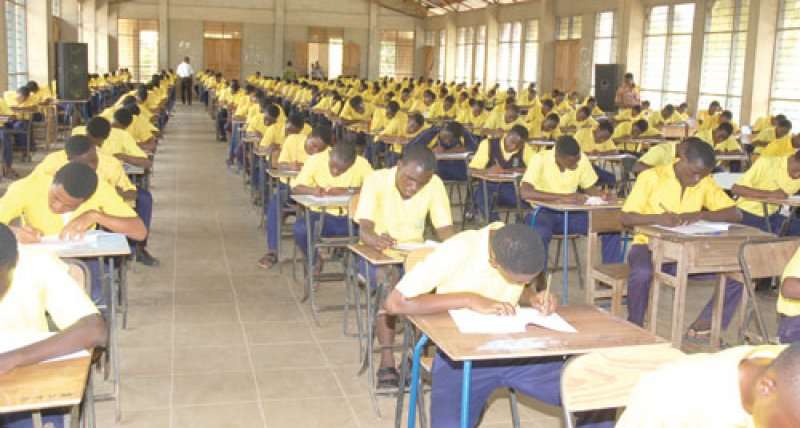
He warned that the growing use of AI across educational institutions, from primary schools to universities, required careful attention to ensure that students did not become overly dependent on digital tools to complete their academic work. “We need to guard against the use of AI in producing lazy learners from primary school up to the university. It may provide a shortcut which may not provide for the production of quality graduates for our purposes as a country,” he stated.

Minister raises concerns over AI dependence Mr Iddrisu’s concerns centre on the possibility that learners could increasingly rely on artificial intelligence to complete assignments, conduct research and generate answers without adequately engaging with the learning process. He argued that while such tools may offer convenience, their inappropriate use could undermine the development of independent thinking and the ability to analyse and solve problems.

The Minister’s position is that students must remain actively involved in their education, using technology to strengthen their understanding rather than allowing it to replace the intellectual effort required for meaningful learning. He stressed that the benefits of AI would only be fully realised if its application supported the development of knowledgeable, creative and analytical graduates capable of addressing Ghana’s development needs.

  • education
  • minister
  • learner
  • technology
  • iddrisu
  • intelligence
  • school
  • student

Summaries and tags are generated automatically. Stay informed with VidiaNews.

Related news

Gov’t set to introduce AI, robotics and coding at basic school level
technology

Gov’t set to introduce AI, robotics and coding at basic school level

The government is set to introduce robotics, coding, artificial intelligence and electronics into the curriculum for learners from Kindergarten to Primary Six as part of efforts to prepare Ghanaian children for a technology-driven future. The Minister for Education, Haruna Iddrisu, disclosed this at the opening of the 2026 National Education Week and Evidence Summit in Accra.

Read →
Premature BECE candidates face two-year ban from re-sitting exam
education

Premature BECE candidates face two-year ban from re-sitting exam

Mr Iddrisu announced the policy at the opening of the 2026 National Education Week in Accra, held on the theme: “Harnessing Artificial Intelligence (AI) for Inclusive and Transformative Education in Ghana.” Mr Andy Brooks, UNICEF Country Representative to Ghana, urged the Government to prioritise learning outcomes, teacher empowerment, and educational equity when adopting AI in education.

Read →
Secondary education must transform to prepare 330 million young Africans for work — Report
education

Secondary education must transform to prepare 330 million young Africans for work — Report

Secondary education systems across Africa must undergo fundamental transformation to equip a surging youth population with practical skills for work, livelihoods, and lifelong learning, a new report launched in Accra has warned. Unveiled on Tuesday, November 24, 2026, by the Mastercard Foundation, the second phase of its Secondary Education in Africa report—titled Expanding Pathways to Work, Livelihoods, and Lifelong Learning-notes that secondary schooling is the final stage of formal education for most young Africans and governments’ last opportunity to reach the future workforce at scale.

Read →
Early BECE candidates to face two-year examination ban – Education Minister
education

Early BECE candidates to face two-year examination ban – Education Minister

The Minister for Education, Haruna Iddrisu, has directed the Ghana Education Service (GES) to impose a two-year examination ban on pupils who attempt to sit the Basic Education Certificate Examination (BECE) before their designated examination year. Mr Iddrisu issued the instruction at the launch of the 2026 National Education Week, held at the Ghana Tertiary Education Commission (GTEC), where he outlined measures intended to strengthen discipline, improve educational administration and promote fairness within the country’s basic education system.

Read →
Premature BECE registration: 5,000 candidates affected annually as Education Ministry defends two-year ban
education

Premature BECE registration: 5,000 candidates affected annually as Education Ministry defends two-year ban

The Ministry of Education has defended its directive restricting Junior High School (JHS) 1 and 2 students from registering prematurely for the Basic Education Certificate Examination (BECE), citing concerns over examination integrity, educational planning and the cost to the public purse. The Ministry further argued that the practice undermines the purpose of the BECE, which is designed to assess students at the completion of their Junior High School education.

Read →
Regular JHS pupils must complete three years before BECE – WAEC
education

Regular JHS pupils must complete three years before BECE – WAEC

Regular Junior High School (JHS) pupils must complete all three years of the programme before sitting the Basic Education Certificate Examination (BECE), the West African Examinations Council (WAEC) has reiterated. In April 2026, Education Minister Haruna Iddrisu announced plans to restrict the examination to students in JHS 3, arguing that allowing younger students to sit the examination contravened existing GES and WAEC guidelines.

Read →