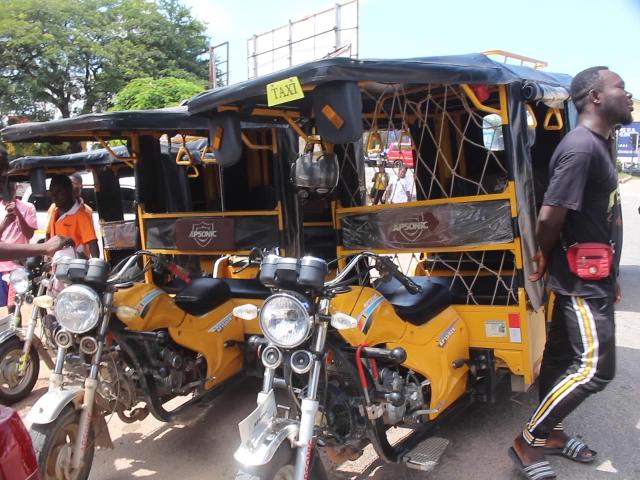
Helmet requirement for Pragyia was an error; the law will be corrected – NRSA boss
The Director-General of the National Road Safety Authority (NRSA), Abraham Amaliba, says the regulation requiring commercial tricycle operators, popularly known as pragyia riders, to wear helmets was included in error and will be repealed. His comments come amid warnings by the MTTD that pragyia riders and passengers who fail to comply with the existing helmet requirements could face arrest, fines and imprisonment under Ghana’s road traffic regulations.
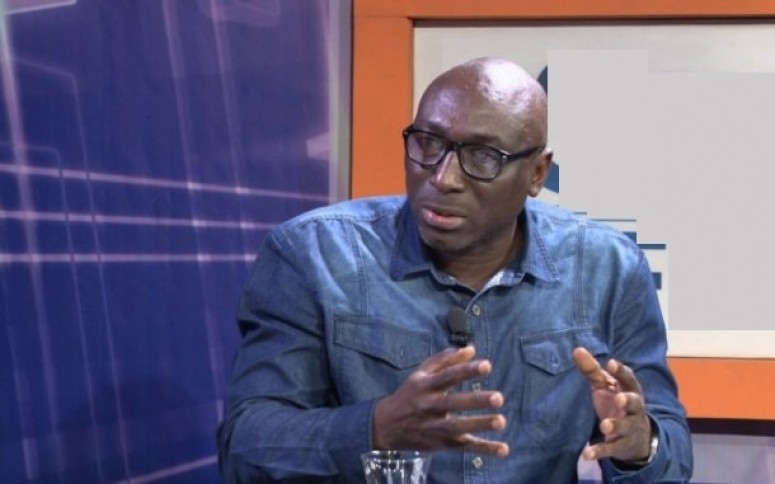
The Director-General of the National Road Safety Authority (NRSA), Abraham Amaliba, says the regulation requiring commercial tricycle operators, popularly known as pragyia riders, to wear helmets was included in error and will be repealed.
He insists that the provision was not the intention of the framers of the law, arguing that the helmet requirement was meant for operators of aboboya tricycles used mainly for transporting goods, rather than commercial passenger tricycles.
Speaking on Joy FM's Midday News on Tuesday, November 24, Mr Amaliba argued that pragyia tricycles should be treated like mini-cars and, therefore, their drivers should not be required to wear helmets or provide them for passengers.
"The provision that talks about tricycle drivers wearing a helmet is a mistake. That was not the intention of the framers of the law. Those who are supposed to wear helmets are the aboboya, and not tricycles," he said.
He drew a comparison between pragyia operators and taxi drivers, arguing that both vehicles serve similar passenger transport purposes and should be subject to comparable safety requirements.
"A taxi is a minicar, and minicar drivers, or drivers who drive taxis, don't wear helmets. So pragyia drivers are not supposed to wear helmets, and they are not even supposed to provide helmets for their passengers. So it's a mistake," he explained.
Mr Amaliba said the confusion arose because both aboboya and pragyia vehicles are classified as tricycles under the regulations, despite serving different purposes.
According to him, the authority intended the provision to cover aboboya operators, who use the vehicles mainly to transport goods and are required to wear helmets.
He said the distinction was overlooked during the drafting of the regulation, resulting in the inclusion of commercial passenger tricycles in the helmet requirement.
NRSA, MTTD to resolve enforcement concerns
Addressing concerns about the continued enforcement of the regulation despite the NRSA's position, Mr Amaliba said his office and the Motor Traffic and Transport Department (MTTD) would need to meet to resolve the matter.
He acknowledged the need for collaboration between the two institutions but maintained that the helmet requirement for pragyia operators was not intended.
On when the provision would be repealed, the NRSA Director-General said he could not give a specific timeline.
"I am not in a position to tell you, but there are people in Parliament who put up a bill, a regulation to deal with it," he said.
His comments come amid warnings by the MTTD that pragyia riders and passengers who fail to comply with the existing helmet requirements could face arrest, fines and imprisonment under Ghana's road traffic regulations.
Chief Inspector Frimpong Ayeh of the MTTD said the Oda Division was preparing to enforce the requirements, including the arrest of passengers found travelling without helmets.
- helmet
- requirement
- pragyia
- nrsa
- tricycle
- passenger
- law
- regulation