GNFS welcomes firefighter assault conviction but wants tougher sentences
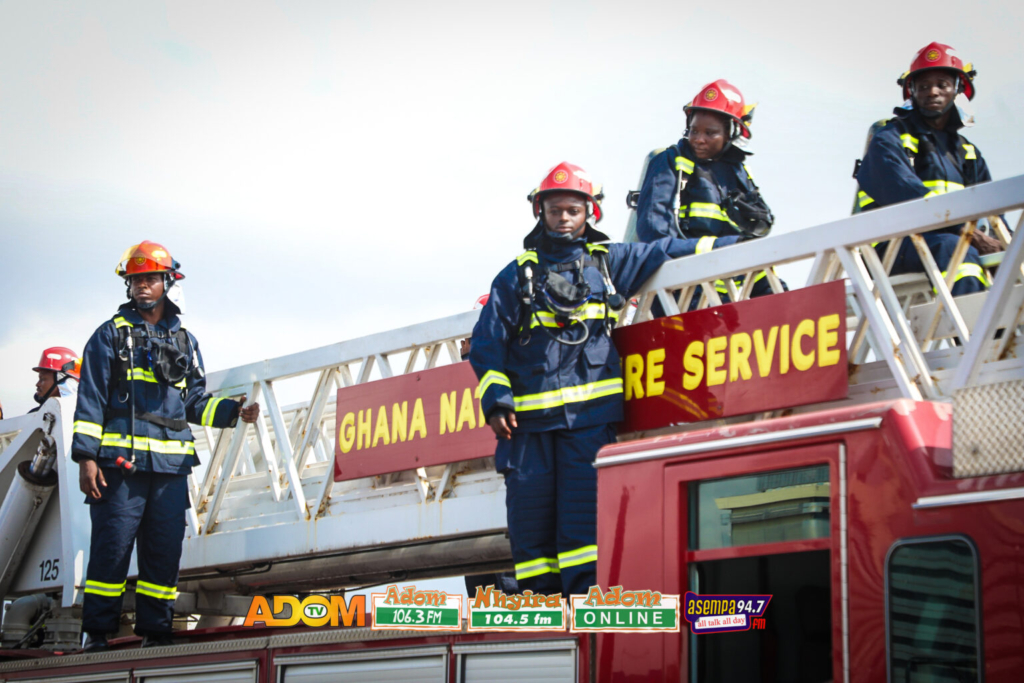
The Public Relations Officer of the GNFS, DO1 Emmanuel Bonney, says attacks on firefighters, whether verbal or physical, must attract serious consequences to protect officers and deter others from obstructing their work. Reacting to the ruling in an interview on JoyNews’ The Pulse on Tuesday, the Public Relations Officer of the GNFS, DO1 Emmanuel Bonney, said the Service would have preferred a longer prison term but would respect the court’s decision.
The Ghana National Fire Service (GNFS) has called for stiffer punishment for people who assault its personnel while responding to emergencies.
The Public Relations Officer of the GNFS, DO1 Emmanuel Bonney, says attacks on firefighters, whether verbal or physical, must attract serious consequences to protect officers and deter others from obstructing their work.
The call follows the sentencing of Sampson Azumah to four years’ imprisonment with hard labour by the Achimota Circuit Court for unlawfully causing harm to a firefighter.
Azumah was convicted over an incident in which GNFS personnel were reportedly attacked while responding to an emergency at the residence of actress Yvonne Okoro at Adjiringanor in November 2025.
Reacting to the ruling in an interview on JoyNews' The Pulse on Tuesday, the Public Relations Officer of the GNFS, DO1 Emmanuel Bonney, said the Service would have preferred a longer prison term but would respect the court's decision.
“The Ghana National Fire Service stands by the comments that he made. We would have preferred a higher number of years to be handed over to the guy. However, sometimes we start from the bottom and go up. So we go by what the judge has given," he said.
He, however, said the four-year prison sentence should serve as a deterrent to others who may assault firefighters in the line of duty.
Mr Bonney stressed that firefighters must be allowed to carry out their duties without interference, particularly when responding to potentially dangerous situations.
He also outlined the procedures expected of members of the public when GNFS personnel arrive at a fire scene.
According to him, anyone who begins efforts to extinguish a fire must hand over to the Service once its officers arrive, regardless of whether the fire has been brought under control.
He explained that members of the public could be called upon to assist with specific tasks, such as pulling hoses over long distances, but must not independently approach burning buildings.
Mr Bonney warned that fire scenes could contain explosives, including gas cylinders, which could endanger people who lack the protective equipment used by firefighters.
He said GNFS personnel wear specialised protective clothing, including proximity suits, to shield them from hazardous conditions, while members of the public may not have similar protection or insurance coverage.
“When we get to incidents, we ask them to go back, we give them a place. Probably when we tell the media, the media will adhere to whatever instructions we give them, but the public will not do so,” he said.
He urged the public to comply with instructions from firefighters at emergency scenes, adding that officers would request assistance whenever necessary.
- gnfs
- firefighter
- public
- fire
- officer
- service
- personnel
- bonney


