PhD scandal: GTEC catches public institution in accreditation breach
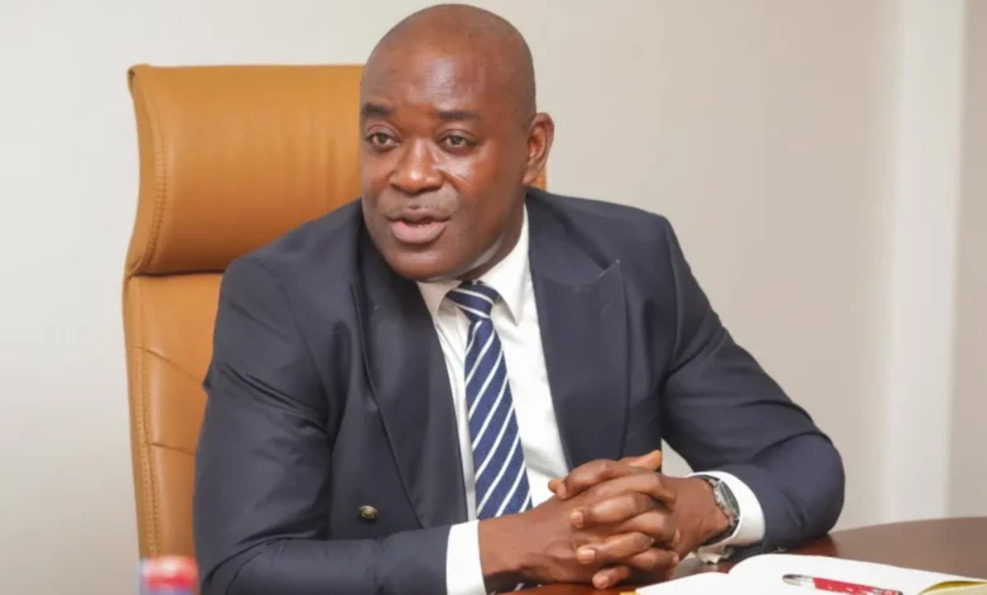
GTEC catches public institution in accreditation breach. The Director-General of GTEC, Professor Ahmed Jinapor Abdulai, disclosed this in an interview with Citi FM on Monday, November 23, 2026.
A nationwide review of doctoral programmes has uncovered a public institution specialising in business that admitted students into a Doctor of Philosophy (PhD) programme in Public Health without the necessary accreditation and capacity to run it. The Ghana Tertiary Education Commission (GTEC) has directed the institution to revoke the admissions, saying it does not satisfy the minimum requirements for offering the programme.
The Director-General of GTEC, Professor Ahmed Jinapor Abdulai, disclosed this in an interview with Citi FM on Monday, November 23, 2026. Although he did not identify the institution, he said the case illustrated the need for a comprehensive examination of doctoral education in the country, particularly amid concerns about the rapid expansion of PhD enrolment.
The revelation comes as GTEC intensifies an audit of PhD programmes offered by universities, with the commission seeking to establish whether institutions still have the academic staff, facilities and other resources they presented when they first secured approval to run the programmes. Professor Jinapor Abdulai said the commission had become concerned that some institutions appeared more interested in increasing student numbers than ensuring that doctoral candidates received the rigorous academic supervision required.
He said preliminary information available to the commission showed that some universities were admitting more than 250 PhD students annually, with individual programmes taking in over 50 candidates in a single year. He questioned whether institutions with such enrolment figures had enough qualified academics to supervise the research work effectively.
The Director-General said the commission would assess whether the number of doctoral students being admitted was consistent with the actual capacity of the institutions and the country’s demand for PhD graduates. “We don’t want a situation whereby we have unemployed PhD graduates in this country as we’ve seen in some areas historically,” he said. He said the audit would help GTEC determine whether the expansion of doctoral education was producing the expertise the country needed or simply increasing the number of graduates without adequate regard for quality and employment prospects.
No blanket ban on PhD admissions Professor Jinapor Abdulai also rejected suggestions that GTEC had stopped universities from admitting students into existing PhD programmes. He explained that the commission had temporarily suspended the processing of fresh applications for accreditation to establish new doctoral programmes, pending the completion of the audit of programmes already in operation.
Under the arrangement, universities are required to submit information and supporting documents on their existing PhD programmes for assessment. Institutions that satisfy the requirements will be cleared to apply for accreditation to introduce additional programmes, while those found wanting could face restrictions, including an order to stop admitting students into programmes that fail to meet the required standards.
He said GTEC had written to universities about the exercise approximately two weeks before the interview and that some institutions had already submitted the requested information. Auditors were also reviewing submissions from institutions that had responded. “For clarity, GTEC has not frozen admissions into PhD programmes,” he stressed, explaining that the temporary measure was directed at new accreditation applications rather than admissions into approved programmes.
Peer review to test academic standards The audit, which began about two weeks ago, involves a peer-review process under which academics from other universities with expertise in the relevant disciplines will assess the programmes. The exercise is expected to establish whether the facilities, academic personnel and supervisory arrangements available to universities are adequate for the number of students they enrol.
Professor Jinapor Abdulai said the commission would not hesitate to stop admissions into programmes that were found to be operating below the required standards. The Minister of Education, Haruna Iddrisu, has also backed the exercise, emphasising the need to protect the quality and credibility of postgraduate education rather than encourage an unchecked increase in graduate numbers.
The audit is intended to ensure that universities offering doctoral qualifications have the institutional capacity to deliver them and that the rapid growth of PhD programmes does not undermine the value of the qualification.
- phd
- institution
- gtec
- programme
- accreditation
- university
- student
- commission


