CAPPA to Nigeria, Africa: Reject climate loans, demand rich nations’ accountability
… Says Africa bears climate burden despite contributing less than 4% of global emissions By Chioma Obinna Corporate Accountability and Public Participation Africa (CAPPA) has urged Nigeria and other African governments to reject climate finance agreements that deepen their debt burdens, calling on wealthy industrialised nations to take responsibility for the climate crisis they largely created. 32nd United Nations Climate Change Conference (COP32) in Addis Ababa, Ethiopia, and demand measurable financial commitments from developed countries to support climate adaptation, mitigation and…
… Says Africa bears climate burden despite contributing less than 4% of global emissions By Chioma Obinna Corporate Accountability and Public Participation Africa (CAPPA) has urged Nigeria and other African governments to reject climate finance agreements that deepen their debt burdens, calling on wealthy industrialised nations to take responsibility for the climate crisis they largely created.
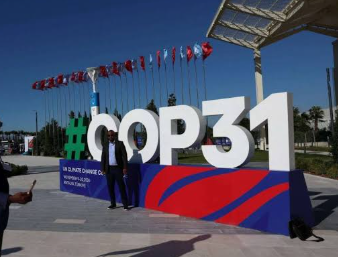
The organisation also urged African leaders to unite ahead of next year’s 32nd United Nations Climate Change Conference (COP32) in Addis Ababa, Ethiopia, and demand measurable financial commitments from developed countries to support climate adaptation, mitigation and recovery from climate-related disasters. CAPPA made the call in a statement on Tuesday, November 24, following what it described as disappointing outcomes from COP31 in Antalya, Türkiye, which ended on Sunday, November 22.
It said the conference exposed the widening divide between wealthy industrialised countries and climate-vulnerable nations, particularly across Africa and the Global South. According to the organisation, the summit’s emphasis on investment announcements, energy transition partnerships and implementation rhetoric failed to address the fundamental injustice of developed countries evading their historical climate responsibilities while developing nations struggle to finance their response to the crisis.
CAPPA’s Associate Director and Climate and Environment Programme Manager, Olamide Martins Ogunlade, said it was unacceptable for wealthy nations to pursue their industrial and energy interests while shifting the financial burden of decarbonisation to countries that contributed least to global warming. “Climate finance that comes in the form of commercial loans is not solidarity.
It is another debt burden imposed on countries already paying an enormous price for a crisis they did little to create. “African governments should not have to borrow their way out of a climate emergency largely driven by the industrialisation and fossil fuel dependence of wealthy nations,” Ogunlade said. The organisation noted that Africa contributes less than four per cent of global greenhouse gas emissions but suffers disproportionately from the consequences of climate change, losing an estimated two to five per cent of its Gross Domestic Product annually to climate extremes.
Despite this vulnerability, it said the continent receives only about three per cent of global climate finance, much of which comes in the form of loans rather than grants. It warned that the financing arrangement was particularly damaging to countries such as Nigeria, where mounting public debt, competing development priorities and limited fiscal space already constrain government investment in essential services and infrastructure.
CAPPA also expressed concern over what it described as the weakening of developed countries’ financial obligations under Article 9.1 of the Paris Agreement, which requires wealthy nations to provide financial resources to support climate mitigation and adaptation in developing countries. It cautioned that the proposed Antalya-to-Addis Ababa Roadmap must not become another diplomatic instrument for postponing these obligations or replacing legally grounded responsibilities with voluntary funding announcements.
The organisation cited the United Nations Environment Programme’s Adaptation Gap Report 2026, which estimates that developing countries will require $305 billion annually for climate adaptation by 2035. It said the persistent shortfall in climate finance posed a serious threat to the survival, livelihoods and development prospects of vulnerable communities.
Highlighting the disparity between fossil fuel industry profits and resources available to countries suffering climate-related losses, CAPPA cited figures referenced by United Nations Secretary-General António Guterres at COP31. According to the organisation, nine major oil companies reportedly earned $95 billion in a single quarter, while the Fund for Responding to Loss and Damage had received only about $600 million.
CAPPA described the disparity as evidence of the injustice in the current global economic arrangement, arguing that corporations generating enormous profits from fossil fuels should contribute more meaningfully to addressing the consequences of climate change. Ahead of COP32, it urged African governments and negotiators to turn the period leading to the summit into a coordinated campaign for climate justice and corporate accountability.
It called on Africa to leverage its position as host continent, working with the G77+China, small island developing states and other climate-vulnerable countries, to secure measurable financing commitments, transparent implementation milestones and regular public reporting under the Antalya-to-Addis Ababa Roadmap. The organisation identified accessible, grant-based climate finance as a major priority, insisting that commercial loans must not be presented
- climate
- cappa
- africa
- country
- nation
- nigeria
- nations
- accountability