Discos’ Band A of sorrow
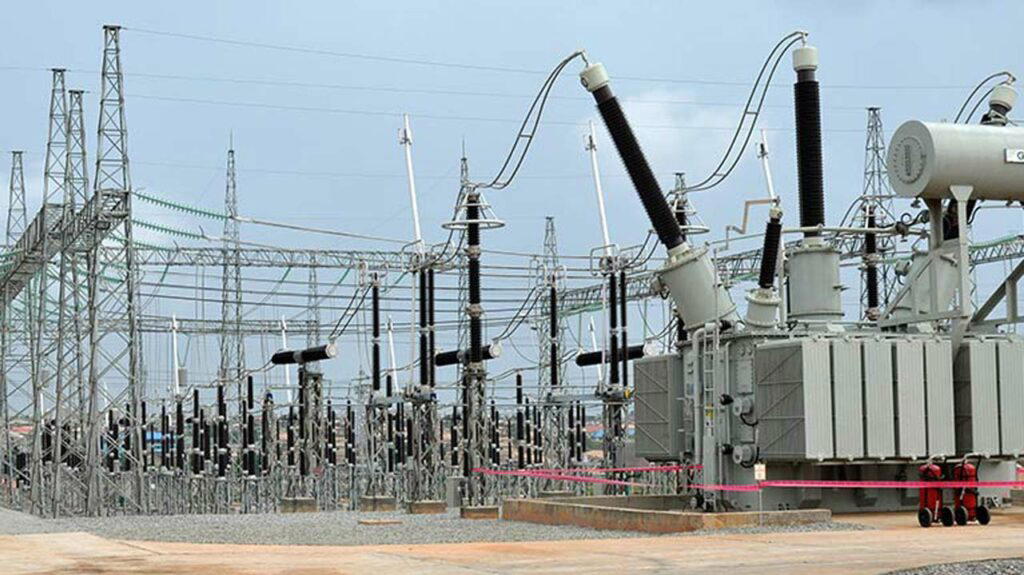
The Discos have used the monopoly they possess to fleece innocent consumers and businesses of their hard-earned income, with many of them finding it difficult to cope. They went further to say that, if the Discos are unable to meet up with the terms and conditions of the Band A category, the tariffs must be adjusted downward.
By SUNNY IKHIOYA The time for another round of elections is drawing close. The people seem to be unaware of where to hold the government responsible. Politicians are only concerned about personal insults and vain things. But in recent times, they have upped the tempo to begin to talk about petroleum subsidy and palliatives for the common man. One thing that the people have not been sensitive about is the fraudulent manner in which the electricity distribution companies are taking advantage of the government’s inability to monitor their activities properly.
The NERC, the Nigerian Electricity Regulatory Commission, is there, invisible to consumers. We have also been informed that some states have established their own regulatory commissions, like Lagos, Enugu and others. They, too, do not seem to be making their presence felt. Just like petrol, electricity is also at the centre of a people’s development.
A country that cannot independently generate its own electricity is as good as staying dead at the bottom. Manufacturers cannot produce, skilled and small businesses will not grow, and the people will remain unhappy. Presently, the high-handedness of the electricity distribution companies is a principal cause of the downward drop in our poverty ratings.
The middle class has been completely wiped out, businesses are dying, and no one seems to care. You know why our situation is so despicable: the state of Iran has been at war with the US and Israel for close to a year now, with critical infrastructure badly destroyed. In the midst of all these disruptions, it is still able to supply vital electricity to its people and businesses.
The same thing is happening to Ukraine against Russia. Without light, the people are finished. It is a basic principle and also has some spiritual undertone. When you have light, you prevail over challenges and adversaries. That is why our situation is so pathetic. And so they came up with the structuring of the billing system, arguing that with a cost-reflective—no subsidy—tariff system in place, the power companies could be motivated to produce satisfactory power supply to the people and businesses.
They embarked on classifying consumers into Classes A–D categories. Although this did not go well with the people, because it clearly was discriminatory and assumed to favour only the wealthy class, it has all turned out to be a scam on the consumers in that category. The Discos have used the monopoly they possess to fleece innocent consumers and businesses of their hard-earned income, with many of them finding it difficult to cope.
Yet, on a monthly basis, the bills will arrive. In announcing the cost-reflective tariffs, the Nigerian Electricity Regulatory Commission emphasised that Band A customers will enjoy a minimum of 20 hours of uninterrupted power supply in a day. They went further to say that, if the Discos are unable to meet up with the terms and conditions of the Band A category, the tariffs must be adjusted downward.
What this means is that you enjoy a minimum of 20 uninterrupted hours of power supply, you pay the rate; and if you do not get that service, you do not pay. For serious businesses, they were willing to take the hard route, assuming that their use of alternative power supply, like diesel, will be reduced to the barest minimum. It was assumed also that the power supply will be predictable, therefore allowing for proper operational planning.
But what are we seeing? Intermittent power outages without any prior notification. They even go without supply for days, without any notification or apologies from the operators, and they still bring up the outrageous Band A bills. Businesses are dying, investors are suffering, and so many people are becoming jobless because of the inefficient operational methods of these distribution companies.
They say you should report to NERC. Where is NERC? Try to get to them, either by phone or email, and see what their reaction will be. They are overseeing nothing. Recently, staff of BEDC regulators, who cover Ekiti, Edo and Delta states, went on strike over poor welfare conditions and shut down the control rooms for a whole week. When they returned, it was business as usual.
A week after resumption, they brought their bills. You will not believe that the one-week work stoppage did not reflect on the tariff. They have again passed the burden to the consumers. Under normal circumstances, they are expected to apologise for the lengthy supply disruptions and follow that up with a discount, in the form of not using the Band A calculation during this period.
The Nigerian operator has failed to realise this; they are wont to shift blame from grid collapse to transmission failures. Even if we accept all of these failures, why should consumers be made to pay the price of their failure? The people are suffering. Band A is killing businesses, and the authorities must do something about it. This is why the people must be sensitive as we approach ano
- people
- band
- electricity
- business
- power
- discos
- supply
- company