FG proposes tougher scrap metal rules to curb infrastructure vandalism

By Gabriel Ewepu ABUJA — The Federal Government has proposed tougher regulations for Nigeria’s scrap metal industry, including mandatory traceability and environmental compliance measures, to curb the theft and vandalism of critical national infrastructure. He said contributions from the Lagos engagement had provided valuable input into the ongoing review, adding that the Kano meeting was designed to broaden consultations and incorporate additional regional and operational perspectives, particularly from stakeholders in Northern Nigeria.
By Gabriel Ewepu ABUJA — The Federal Government has proposed tougher regulations for Nigeria’s scrap metal industry, including mandatory traceability and environmental compliance measures, to curb the theft and vandalism of critical national infrastructure. The proposed framework is also aimed at sanitising the scrap metal value chain, protecting legitimate businesses, promoting responsible recycling and strengthening the country’s steel and metals manufacturing industry.
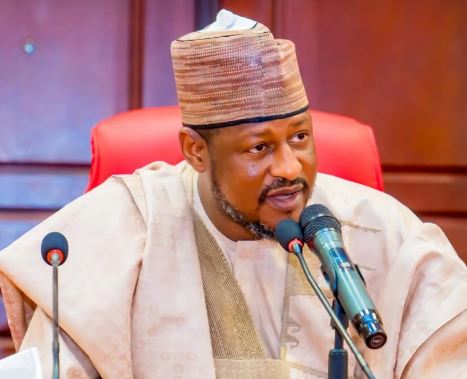
The Minister of Steel Development, Prince Shuaibu Abubakar Audu, disclosed this on Tuesday at the second-phase stakeholders’ engagement on the validation of the Draft Scrap Metal (Collection, Trading, Recycling and Regulation) Regulations Policy 2026 in Kano. Audu, who was represented by the Director, Steel and Non-ferrous Metals Department, Alhaji Umar Tsoho, said Nigeria could not build a competitive steel industry without an organised scrap metal market where materials were lawfully sourced, safely handled, properly documented and supplied to legitimate industrial users.
Speaking on the theme, “Sustainable Scrap Metal Management through Effective Metallurgical Regulation: From Policy to Real Impact”, the minister described scrap metal as a critical resource for industrial development, noting that proper recovery and recycling could boost steel production, foundry operations, employment generation and the circular economy.
He, however, warned that an inadequately regulated industry could encourage the theft and vandalism of public and private infrastructure, unsafe dismantling practices, environmental degradation and significant economic losses. According to him, the proposed regulations will establish a structured system for licensing and supervising operators, regulating collection and aggregation facilities, ensuring transaction traceability, promoting environmental and occupational safety, preventing illicit trade and strengthening monitoring and enforcement.
Audu clarified that the government’s intention was not to suppress legitimate commercial activities or undermine the livelihoods of Nigerians engaged in scrap metal collection and trading, but to create an orderly business environment where lawful operators could thrive while criminal activities were addressed. He called for a regulatory framework that would accommodate small-scale operators through practical formalisation processes and requirements proportionate to the scale and risks of their operations, while ensuring that large-scale aggregation, processing and recycling facilities complied with prescribed standards.
On infrastructure vandalism, the minister expressed concern over the illegal acquisition and trading of metallic materials allegedly stolen from public infrastructure, industrial facilities and other protected assets. He said the theft of electrical cables, railway components, manhole covers and other metallic installations went beyond the loss of materials, as it disrupted essential public services, compromised public safety, increased maintenance costs and undermined national infrastructure development.
The minister recalled that the first phase of the stakeholders’ engagement, held in Lagos from November 9 to 10, 2026, examined critical provisions of the draft regulations, including licensing, operator classification, traceability, collection and sorting facilities, environmental compliance, occupational safety, security and enforcement. He said contributions from the Lagos engagement had provided valuable input into the ongoing review, adding that the Kano meeting was designed to broaden consultations and incorporate additional regional and operational perspectives, particularly from stakeholders in Northern Nigeria.
Audu urged participants to make specific and practical recommendations to clarify provisions, address implementation challenges and strengthen the effectiveness of the proposed regulations. He assured that submissions from the Lagos and Kano engagements would be documented, reviewed and harmonised in refining the draft regulations, subject to the applicable legal framework and the initiative’s core objectives.
He also reaffirmed the ministry’s commitment to collaborating with relevant government institutions, industry operators, environmental agencies, security organisations and other stakeholders to ensure effective implementation of the proposed framework. Meanwhile, the Permanent Secretary, Ministry of Steel Development, Ambassador Nura Abba Rimi, represented by the Director, Metallurgical Inspectorate and Environmental Protection Department, Mr Christopher Wanje, said the Kano engagement was a continuation of efforts to ensure that the proposed regulations reflected the realities, expectations and legitimate concerns of industry operators across the country.
Rimi said the regulations would address challenges in the scrap metal value chain through appropriate licensing and compliance requirements, improved traceability, environmental and occu
- metal
- scrap
- infrastructure
- vandalism
- regulation
- steel
- industry
- recycling