Study: Persons with disabilities hold only 1.28pc of jobs in public institutions
The assessment covered 42 institutions across Embu, Kilifi, Kisumu, Nairobi, Nakuru and Turkana, examining institutional policies, systems and practices relating to employment and government procurement opportunities for persons with disabilities. The Public Procurement Regulatory Authority, represented by Deputy Director for Resource Mobilisation and Partnerships Eannes Ongus, said public institutions were making procurement reservations under AGPO, but translating those re
NAIROBI, Kenya Nov 25 – Persons with disabilities account for just 1.28 per cent of employees in seven public institutions in Kenya, falling short of the statutory requirement that at least 5 per cent of positions be reserved for them.
A new gap analysis found that only 371 of approximately 29,011 employees in the institutions that provided workforce data were persons with disabilities, highlighting persistent challenges in implementing disability-inclusive employment policies.
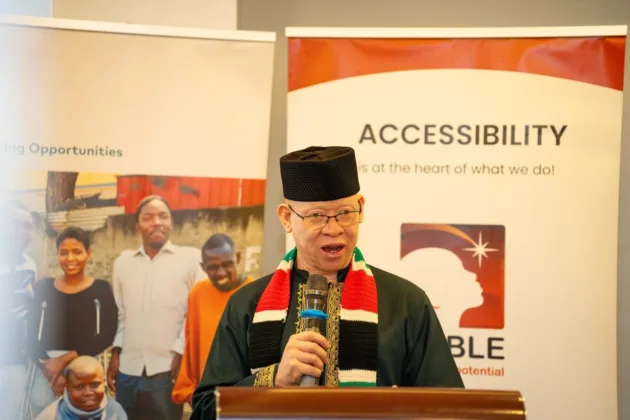
The findings were presented in Nairobi on Wednesday during a meeting convened by the Unlocking Opportunities Programme in partnership with the Mastercard Foundation.
The assessment covered 42 institutions across Embu, Kilifi, Kisumu, Nairobi, Nakuru and Turkana, examining institutional policies, systems and practices relating to employment and government procurement opportunities for persons with disabilities.
Under the Persons with Disabilities Act, 2025, employers with 20 or more employees are required to reserve at least 5 per cent of positions for persons with disabilities and provide reasonable accommodation.
However, the study found that of 10 public institutions assessed, only three reported meeting the requirement.
Four did not meet the threshold, while three could not confirm their compliance because the necessary workforce data was unavailable.
The report cautioned that the employment figures were based on institutional submissions and had not been independently verified against complete human resource records.
Beyond recruitment numbers, the assessment identified shortcomings in workplace accessibility, reasonable accommodation and career progression.
Budgetary provision for reasonable accommodation scored 36.7 per cent, while accessibility of digital systems and communication scored 33.3 per cent.
The findings indicate that meeting the employment target requires more than recruiting persons with disabilities, with institutions also needing to invest in assistive technologies, accessible workplaces and opportunities for retention, promotion and leadership.
The study also examined disability participation in government procurement and found some improvement in the share of contracts awarded to businesses owned by persons with disabilities.
Nationally, their share of government procurement awards increased from 9.84 per cent to 14.38 percent.
In the six counties covered by the assessment, the value of contracts awarded to these businesses rose from Sh46.37 million in the 2024/25 financial year to Sh95.46 million in 2025/26. Their share of AGPO awards in the counties increased from 4 per cent to 15.1 per cent.
Despite the gains, the report identified barriers including inaccessible tender information, complex procurement requirements, limited access to finance and delayed payments.
Timely payment scored only 40 percent in the institutional assessment, with the report warning that delays could affect the ability of small businesses to fulfil contracts and compete for further opportunities.
Speaking during the meeting, Senator Isaac Mwaura, Head of the Office of Diversity, Inclusion and Disability Rights in the Executive Office of the President, urged public institutions and employers to turn inclusion commitments into measurable outcomes.
He said businesses owned by persons with disabilities could deliver quality, innovation and value, while employees with disabilities contributed unique perspectives to workplaces.
Charles Warria, Programmes Director at inABLE, speaking on behalf of the Unlocking Opportunities Programme, said the assessment would help identify areas where implementation was falling short and guide practical interventions.
The Public Procurement Regulatory Authority, represented by Deputy Director for Resource Mobilisation and Partnerships Eannes Ongus, said public institutions were making procurement reservations under AGPO, but translating those reservations into actual contract awards remained a challenge.
The report recommends that institutions strengthen disability-inclusive recruitment, improve access to procurement information and digital platforms, ensure timely payments and allocate resources for reasonable accommodation.
- disability
- person
- institution
- cent
- study
- procurement
- assessment
- employee