OPINION: Africa has the talent. It needs to give its innovators a chance
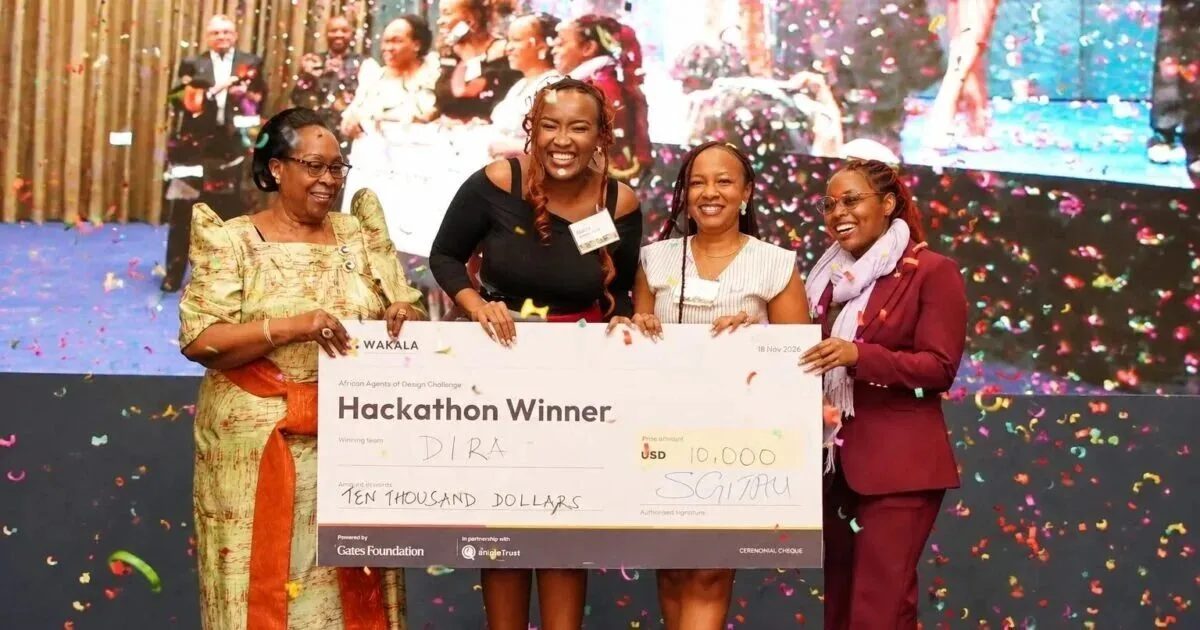
Founded by Irene Mukii, Jacinta Wanjiru and Michelle Gati, Dira developed an AI assistant that helps teachers identify learners who need additional attention and recommend support tailored to their needs. Speaking at the Nairobi gathering, Gates Foundation Africa Director Paulin Basinga cautioned against deploying AI where simpler approaches would work.
Africa’s technological future will not be determined by how quickly it adopts innovations developed elsewhere. It will depend on its ability to identify, nurture and invest in the talent capable of solving its own challenges.
There is no shortage of that talent. Young people are experimenting with technology, building businesses and finding new ways to address problems in their communities. The question is whether Africa can provide the resources and institutional support needed to turn these ideas into solutions that improve lives.
An African Agentic AI Design Challenge in Nairobi offered a glimpse of what is possible. More than 60 AI agents developed by innovators were showcased. Kenyan education technology startup Dira won the Education category, receiving US$10,000. Founded by Irene Mukii, Jacinta Wanjiru and Michelle Gati, Dira developed an AI assistant that helps teachers identify learners who need additional attention and recommend support tailored to their needs.
Marga AI was first runner-up, receiving US$8,000, while TALO, developed by university students aged 21 and 22, took second runner-up with US$6,000. All three teams also received computing credits.
Their achievements show that African innovators are helping shape the technology revolution with ideas rooted in local realities.
For too long, Africa’s place in the technology conversation has been defined largely by its adoption of products developed elsewhere. Access to global technologies remains important, but the continent must also become a producer of knowledge, technology and innovation.
The most valuable innovations are often solutions to everyday problems. In education, technology can help teachers identify struggling learners and provide targeted support. In healthcare, AI could assist overstretched health workers, improve access to patient information and help manage medical supplies. In agriculture, digital tools can give farmers timely information on weather, crop diseases and markets.
These are real challenges for millions of Africans. Local innovators understand them because they live with crowded classrooms, under-resourced health facilities and farmers’ difficulty accessing reliable information and markets.
But understanding a problem and developing a working solution are only the beginning. Moving an idea from prototype to a sustainable product requires funding, technical expertise, infrastructure, mentorship and access to markets.
This is where Africa must do more. Competitions and technology showcases identify talent. But the real test comes after the awards. How many promising ideas receive support to become sustainable businesses? How many are adopted by schools, hospitals, governments and private institutions? How many reach communities beyond the technology hubs where they were developed?
A prize can help an innovator take the first step. Building an enterprise requires affordable computing infrastructure, reliable connectivity, quality data, research facilities and patient funding to test, improve and scale products.
There are encouraging signs that development institutions recognise this opportunity. The Gates Foundation has committed at least US$1 billion over the next two years to expand access to AI and AI-enabled solutions. It has allocated 40 per cent to healthcare, 40 per cent to education, 10 per cent to agriculture and 10 per cent to digital foundations. These priorities reflect sectors where technology could make a practical difference and create opportunities for African innovators to contribute homegrown solutions.
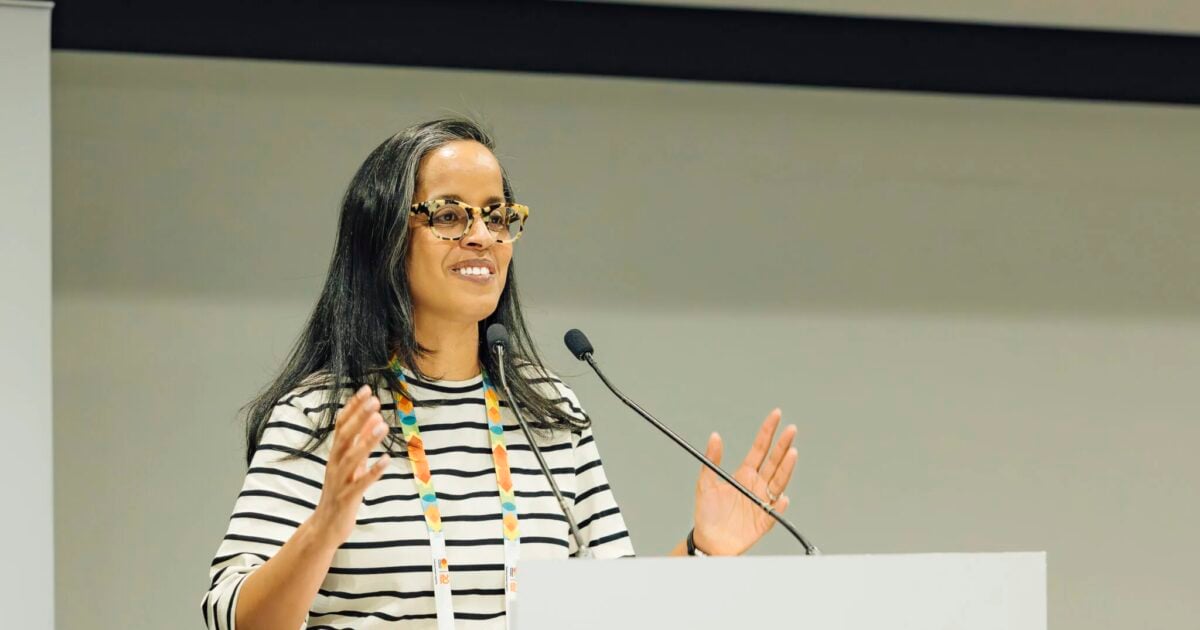
Speaking at the Nairobi gathering, Gates Foundation Africa Director Paulin Basinga cautioned against deploying AI where simpler approaches would work. Technology, he said, should assist people, not become an end in itself. AI cannot replace teachers, doctors or other essential professionals. Its value lies in supporting their work, improving efficiency and extending the reach of services.
Governments must become active partners. Schools, hospitals and county governments can give innovators opportunities to test solutions in real operating environments. Transparent procurement and partnerships can help promising products move from experimentation to practical use.
The private sector can contribute through investment, mentorship, technical expertise and market access. Universities should work with entrepreneurs to translate research into products. Development partners and foundations can provide patient funding, especially for solutions serving communities that commercial investors may overlook.
Africa must also have a voice in shaping the rules governing emerging technologies. Discussions at the Nairobi gathering stressed the need for African policymakers, developers and institutions to help shape global AI standards. The continent should not simply adapt to frameworks developed elsewhere. Its languages, cultures, economic circumstances and development priorities must be reflected in decisions about data, privacy, accountability and safety.
The next breakthrough could come from a developer working on education in Nairobi, healthcare in Lagos, agriculture in Kampala or digital services in Kigali. What matters is whether innovators can access the support to turn ideas into products that work, reach people and endure.
Africa does not need to wait for the rest of the world to solve its problems. It has the talent and ingenuity to develop many solutions itself. What it needs now is the confidence to invest in its people and the commitment to give their ideas room to grow.
The real measure of Africa’s technological progress will not be how many innovation competitions it hosts, but how many homegrown ideas it helps turn into solutions that change lives.
Bernard Momanyi is the Editorial Director at Capital FM and a journalist with more than two decades of experience in news gathering, editorial leadership and media management. He holds a Bachelor’s degree in Information Sciences from Moi University, a Master’s in Development Communication from the University of Nairobi and an Executive Master’s in Media Leadership and Innovation from Aga Khan University.
- africa
- technology
- talent
- innovator
- solution
- support
- idea
- education