SSC plans to use indigenous examination devices to take computer-based tests beyond private centres

The Staff Selection Commission has floated an RFP for indigenous examination tablets, attracting interest from over 25 bidders, says its chairman. It is also exploring edge-based CCTV systems, as defence officials seek homegrown space, AI and communication technologies
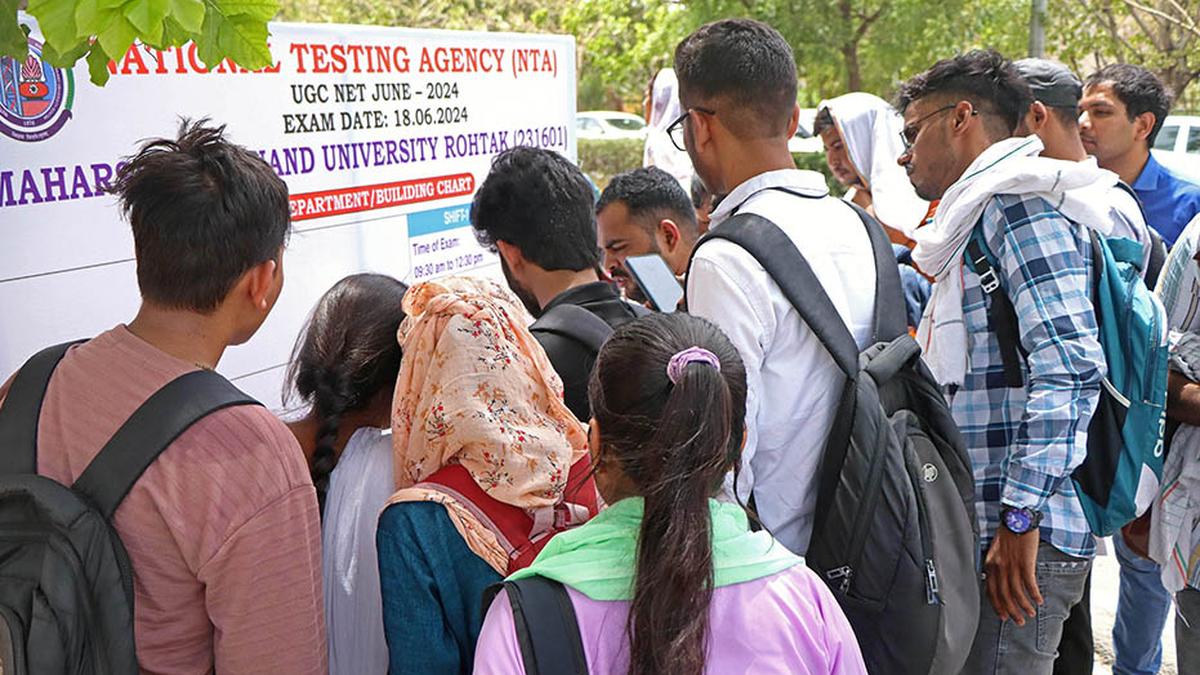
The proposed device would take this further by allowing examinations to be conducted at locations such as village and district schools, without requiring candidates to travel to dedicated private examination centres. Image for representation
The Staff Selection Commission (SSC) aimed to develop an indigenous examination device to hold computer-based tests at locations such as village and district schools, reducing its dependence on privately operated examination centres.
S. Gopalakrishnan, SSC’s chairman, said the commission had floated a request for proposal (RFP) for developing the device and had received expressions of interest from more than 25 bidders. The bidding process was under way, he said, adding that the technology could become a model for examinations in the future.
“We want to develop an indigenous device through which we can conduct the exam anywhere. We don’t need any centre. This device, we can take it to a village school, to a district school, to any centre anywhere,” he said during the inauguration of Tech Verse 2026 in Chennai.
The proposal aims to address the commission’s dependence on private examination centres, where it does not have direct control over the hardware, network equipment, or personnel involved in conducting tests. The chairman pointed to the risks associated with relying on infrastructure that the commission does not own or fully control.
“Do I own the hardware? I don’t know. Do I know anything? What is the switch? What is the router? What is happening? Nothing,” he said, explaining the vulnerabilities in the existing examination-centre model.
The SSC has been working with the Centre for Development of Advanced Computing (C-DAC) and four to five other agencies over the past two years to strengthen examination security. Gopalakrishnan said the collaboration had helped establish greater control over examination-centre operations and reduce malpractice.
The proposed device would take this further by allowing examinations to be conducted at locations such as village and district schools, without requiring candidates to travel to dedicated private examination centres. The chairman said the opportunity could extend beyond the SSC, as other examining bodies could also use such a system.
The commission has also proposed developing an indigenous CCTV solution with C-DAC. Mr. Gopalakrishnan said that surveillance devices not owned or controlled by the agency using them could pose a security risk. The proposed system would perform analysis at the edge rather than centrally.
“We are proposing to have an indigenous CCTV solution and edge. All the analysis will be happening on the edge, nothing centrally,” he said.
He argued that government departments and technology institutions needed to work more closely to translate requirements into solutions. Institutions such as C-DAC, the Society for Applied Microwave Electronics Engineering and Research (SAMEER), and the Centre for Materials for Electronics Technology (C-MET) had capabilities that could address problems faced by government agencies, but the two sides did not always connect.
“Whatever they do is to solve problems. And on the other side, there are people more like us who have problems. We come to them with problems. Sir, please solve this problem. There, that connect, that linkage is what helps us to take things ahead,” he said.
- examination
- ssc
- device
- computer
- test
- centre
- staff
- selection